

In modern research and industrial environments, materials are essential to perform under a corrosive atmosphere, high temperature, and high mechanical stress. Among the various materials, reliable solutions are ceramic tubes, especially silicon carbide (SiC). These ceramic components play a pivotal role in a wide range of applications including high temperature furnaces, chemical reactors, energy systems, and semiconductors processing.
Ceramic Tubes
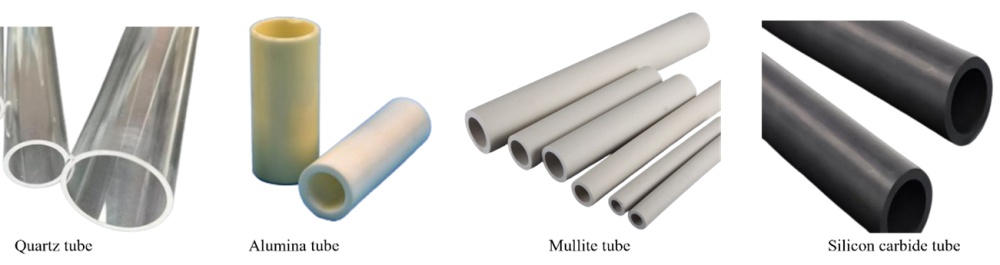
A unique kind of tubular component designed to operate in chemically corrosive and high temperatures environments. The ceramic materials including zirconia, mullite, alumina, and silicon carbide (SiC) are used to make ceramic tubes.
Ceramic tubes maintain their structural integrity at high temperatures up to 1800°C compared to traditional metal tubes. Their excellent electrical insulation and low thermal conductivity features make them important in high temperature furnaces and industrial applications.
Important features
- Superior electrical insulation
- Stability at high temperatures
- Excellent thermal conductivity
- Excellent corrosion resistance
- Hardness and high mechanical strength
Is Silicon Carbide Ceramic?
Indeed, silicon carbide (SiC) is classified as a ceramic and is commonly recognized as a non-oxide ceramic. It is characterized as a hard ceramic material with covalent bonding, consisting of silicon and carbon atoms. SiC is considered a highly promising ceramic material due to its outstanding thermomechanical properties and resistance to corrosion, including high thermal conductivity, remarkable wear resistance, and superior mechanical characteristics. These significant properties enable silicon carbide tubes to preserve their structural integrity even when subjected to rapid temperature fluctuations.
Significant properties of SiC
- Low thermal expansion coefficient
- Excellent thermal shock resistance
- High temperature capability ~1800 °C
- Oxidation & chemical resistance
- High hardness: ~ 9-9.5 in Mohs scale.
What Are the Differences Between Ceramic Tube and Silicon Carbide?
Since both materials are used in the high temperature applications, their roles differ as follows:
|
Features |
Ceramic tubing (Alumina, zirconia, mullite) |
Silicon Carbide (SiC) |
|
Primary function |
insulation |
Structural and heating performance |
|
Thermal conductivity |
Low |
High |
|
Thermal shock resistance |
good |
Excellent |
|
Typical use |
Furnaces, gas containment |
Heating elements and load support |
Why Materials Selection Matters in Furnace Design?
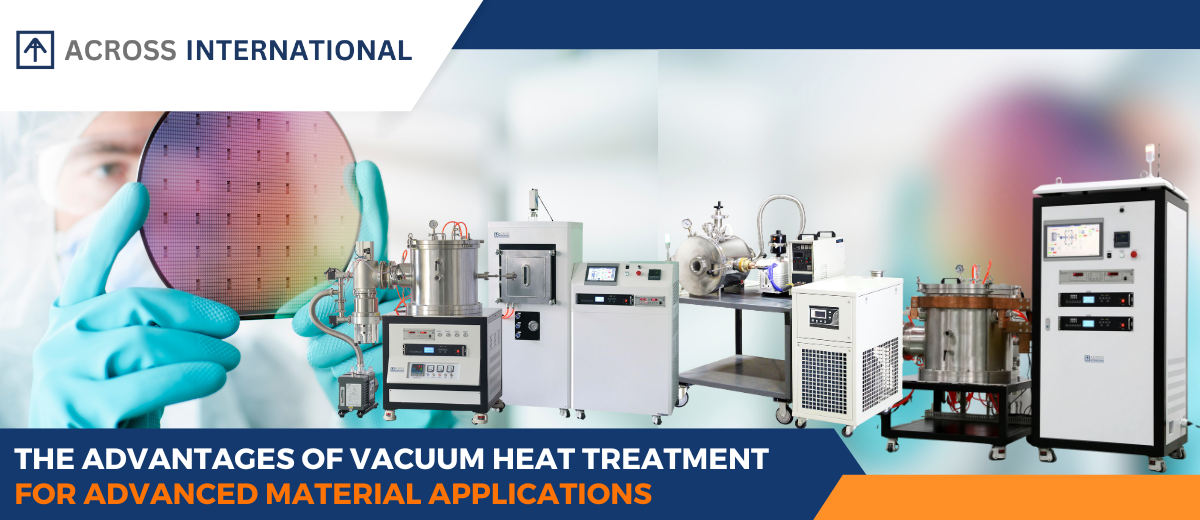
The design of the furnace depends on the selection of the materials because the choice of the hot zone directly affects the maximum operating temperature, component stability, energy efficiency, and contamination control. For research purposes, selecting high purity ceramic tubing ensures accurate experimental results whereas for industrial users, SiC components provide operational cost saving and durability. Therefore, material selection is important for structural stability, high performance, energy efficiency, and consistent temperature control.
What are the Applications for Ceramic Tubes?
Dure to their exceptional properties, ceramic tubes are widely used in various applications from thermal processing to chemical uses. Following are the most common applications of the ceramic tube:
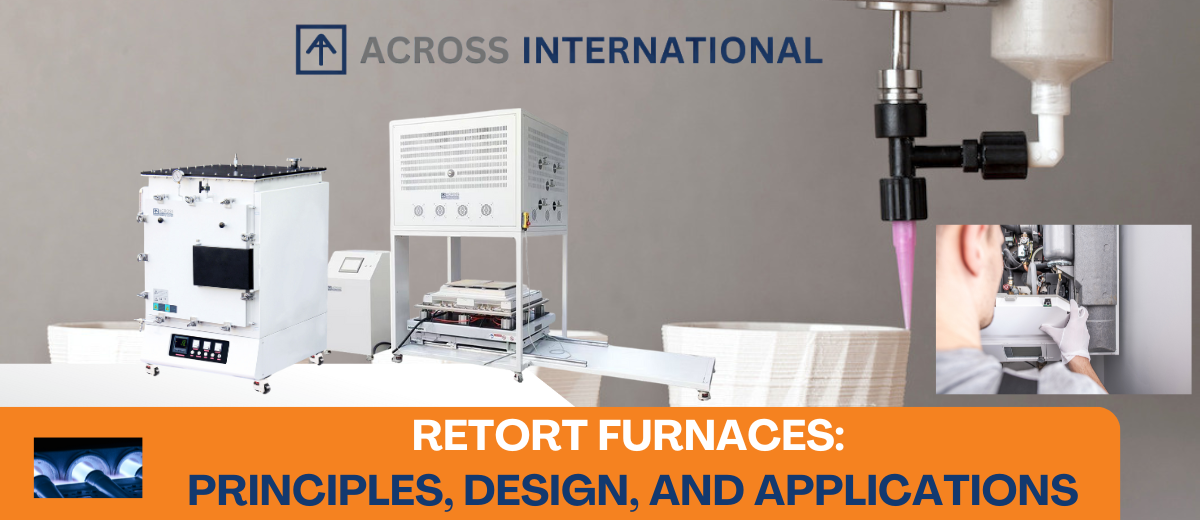
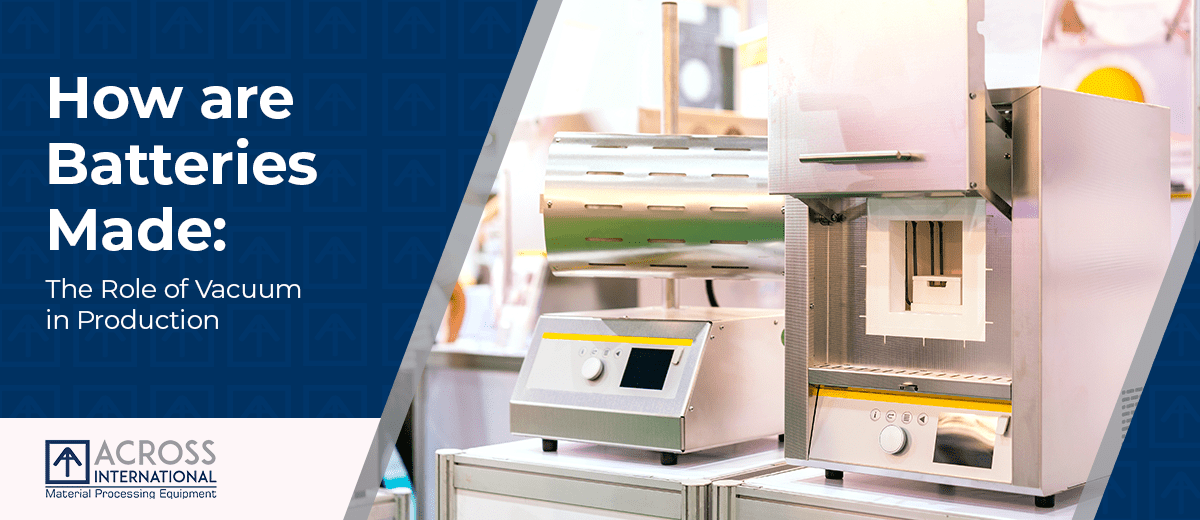
- High temperature Furnaces: Due to the excellent heat resistance property, ceramic tubes are significant components in high temperature furnaces. Their exceptional heat resistance property allows them to withstand high temperatures in ceramic production, metal heat treatment, and glass manufacturing. Ceramic tubes ensure precise temperature control, stability, and reliable performance, making them invaluable that requires high temperature applications.
- Chemical processing: Ceramic tubes are widely used in chemical processing industries by providing corrosion resistance solutions. Such tubes can withstand aggressive chemicals such as corrosive gases and acids. Ceramic tubes ensure safe transport of chemicals from corrosion, minimizing the risk of contamination.
- Electrical Applications: Ceramic tubes are used in electronic industries for protection and insulation due to their electrical insulation properties. They provide a prominent solution for enclosing electronic components such as capacitors and resistors. Ceramic tubes prevent short circuits and make electrical isolation. Additionally, ceramic tubes are used as a protective cover for thermocouple wires to isolate them from corrosive substances and harsh environments.
High purity ceramic tubes are crucial for research institutions and industries due to their consistent thermal performance and low contamination risk.
Common applications include:
- Furnace tube
- Reaction chambers for material research
- Thermocouple protection tubes
- Insulating sleeves
- Gas inlet and exhaust tubes
Conclusions
Ceramic tubing is a significant component in high temperature research and industrial applications. The capability of withstanding high temperature, maintaining structural integrity, and corrosion resistance make them an alternative to traditional metals.
From semiconductor, controlled atmosphere, and tube furnaces to chemical processing applications, ceramic tubes provide a reliable environment where precision and durability are necessary. Selection of right ceramic tubing for your application ensures enhance efficiency and durability.