

We use cookies to make your experience better. To comply with the new e-Privacy directive, we need to ask for your consent to set the cookies. Privacy Policy.
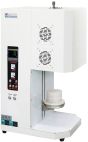
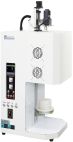
A bottom loading furnace is a high-temperature furnace designed with a vertically moving hearth, platform, or elevator system for loading materials from below the heating chamber.
This design makes it easier to handle heavy, tall, delicate, or difficult-to-position samples while keeping the hot chamber more stable during operation.
Bottom loading designs are used when material handling, temperature uniformity, and operator safety are important to the thermal process. They are well suited for laboratory, R&D, pilot-scale, and production applications involving ceramics, metals, glass, semiconductor materials, and advanced materials.
Across International bottom loading furnaces support programmable high-temperature processing, stable chamber performance, and safer sample loading.
Bottom Loading Furnaces
A bottom loading furnace is a high-temperature furnace designed with a vertically moving hearth, platform, or elevator system for loading materials from below the heating chamber.
This design makes it easier to handle heavy, tall, delicate, or difficult-to-position samples while keeping the hot chamber more stable during operation.
Bottom loading designs are used when material handling, temperature uniformity, and operator safety are important to the thermal process. They are well suited for laboratory, R&D, pilot-scale, and production applications involving ceramics, metals, glass, semiconductor materials, and advanced materials.
Across International bottom loading furnaces support programmable high-temperature processing, stable chamber performance, and safer sample loading.

Frequently Asked Questions
What is a bottom-loading furnace used for?
A bottom-loading furnace is a vertical furnace where materials are loaded from the bottom. Such a design allows easy access and safe handling of tall or heavy components and is used for sintering, brazing, annealing, heat treatment, and materials research, including metals, ceramics, and advanced materials.
Why would I choose this design?
Bottom-loading furnaces offer safe and easy sample loading, reduce the risk of damage to heating elements, and provide better handling of heavy materials. They also help maintain temperature stability by minimizing heat loss during loading and unloading.
What are the downsides?
• Loading can be less convenient
• They require more vertical space
• Access during operation can be more difficult
• They require more vertical space
• Access during operation can be more difficult
What should I look for?
• A smooth and reliable lifting system
• Good safety features
• Stable temperature control
• Good safety features
• Stable temperature control
What materials can be processed in these furnaces?
Bottom-loading furnaces are suitable for ceramics, glass, alloys, metals, and other high-temperature materials that require controlled heating.
How do the bottom-loading mechanisms improve safety?
Bottom-loading furnaces allow stable, secure loading of heavy samples and minimize operator exposure to high temperatures.