

We use cookies to make your experience better. To comply with the new e-Privacy directive, we need to ask for your consent to set the cookies. Privacy Policy.
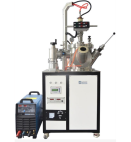
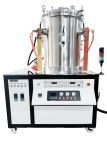
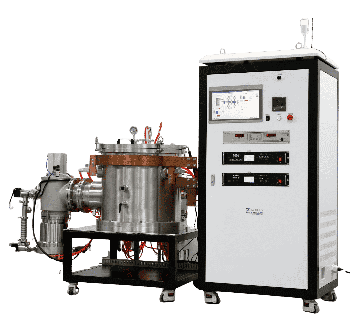
Vacuum furnaces provide high-temperature processing under vacuum or inert gas, helping minimize oxygen, moisture, and contaminants for improved material quality and process consistency.
They support key processes including annealing, brazing, tempering, sintering, crystallization, and casting.
Applications range from compact laboratory vacuum furnaces for R&D and material testing to high-temperature industrial vacuum furnace systems used with reactive alloys, refractory metals, advanced ceramics, battery materials, and electronic components.
Across International manufactures a wide range of vacuum furnace systems designed to support applications from research-scale process development to industrial production.
Vacuum Furnaces
Vacuum furnaces provide high-temperature processing under vacuum or inert gas, helping minimize oxygen, moisture, and contaminants for improved material quality and process consistency.
They support key processes including annealing, brazing, tempering, sintering, crystallization, and casting.
Applications range from compact laboratory vacuum furnaces for R&D and material testing to high-temperature industrial vacuum furnace systems used with reactive alloys, refractory metals, advanced ceramics, battery materials, and electronic components.
Across International manufactures a wide range of vacuum furnace systems designed to support applications from research-scale process development to industrial production.
Frequently Asked Questions
What is a vacuum furnace used for?
A vacuum furnace is used to heat materials in a sealed chamber without air, which prevents oxidation and contamination. It’s commonly used for heat treatment, brazing, sintering, and processing high-performance metals.
Why use a vacuum furnace instead of a regular furnace?
Because there is no oxygen inside the chamber, materials stay cleaner and do not form scale or undergo unwanted reactions. This leads to better surface quality and more consistent results.
What types of vacuum furnaces are available?
There are several types, including heat treatment furnaces, brazing furnaces, sintering furnaces, and melting furnaces, such as vacuum induction melting (VIM) furnaces. Each type is designed for a different process.
What materials can be processed in a vacuum furnace?
Vacuum furnaces can process a wide variety of materials that require an oxygen-free, clean, and controlled high-temperature environment. Typical materials include metals and alloys, refractory metals, stainless steel, tool steel, nickel alloys, and other metals that require clean, controlled processing.
How do I choose the right vacuum furnace?
It depends on the process, such as heat treating, brazing, or melting, as well as the required temperature, batch size, and production volume.
What should I consider before buying a vacuum furnace?
Before buying a vacuum furnace, you should make sure the system fits your process goals, materials, and production scale, including maximum working temperature, vacuum level, chamber size, operating cost, vacuum pump type, and maintenance requirements.
What problems can happen with vacuum furnaces?
Reaching the required vacuum can be challenging. Leaks in seals, valves, or connections can be difficult to detect and seal, and maintenance is usually more involved than with standard furnaces.
Why isn’t my furnace reaching the right vacuum level?
This is usually caused by leaks, worn seals, or issues with the vacuum pump. Regular inspection and maintenance are important to keep performance stable.