




We use cookies to make your experience better. To comply with the new e-Privacy directive, we need to ask for your consent to set the cookies. Privacy Policy.
Vacuum Tungsten Sintering Furnace (Call for Pricing)
Price $0.00
CUSTOMIZE YOUR PRODUCT

Product Video
|
Call for Pricing

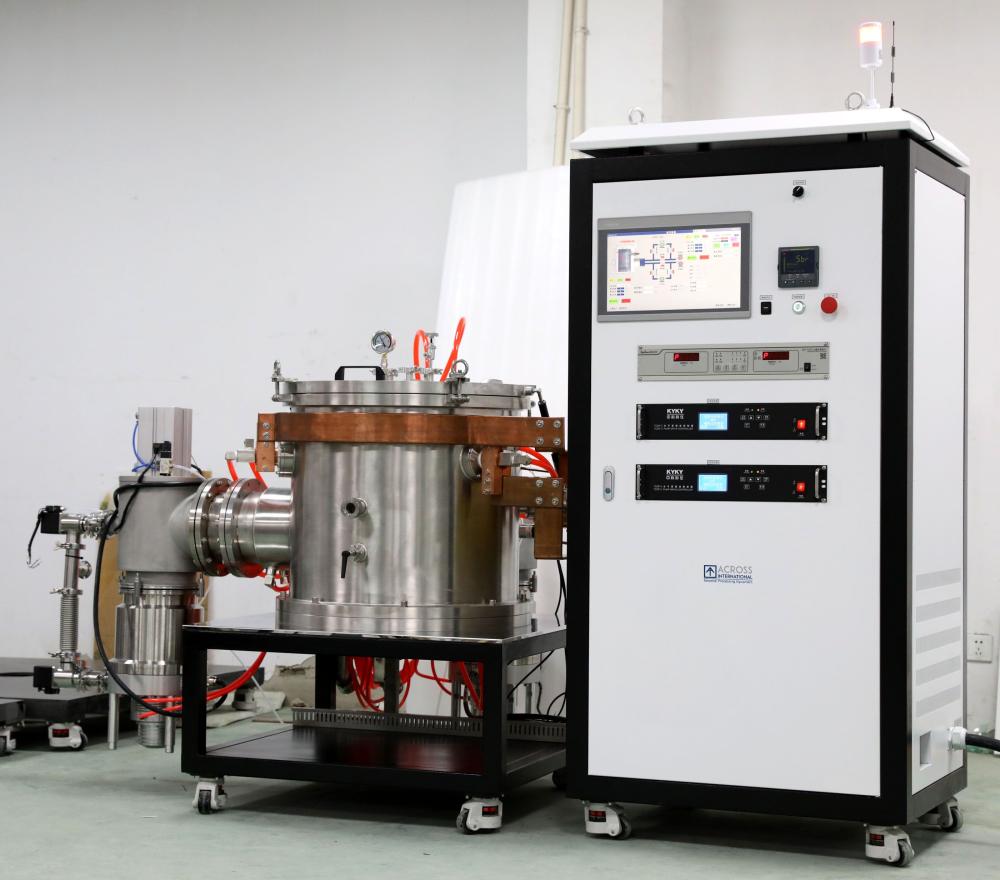
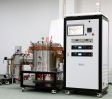
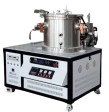
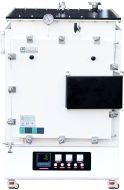
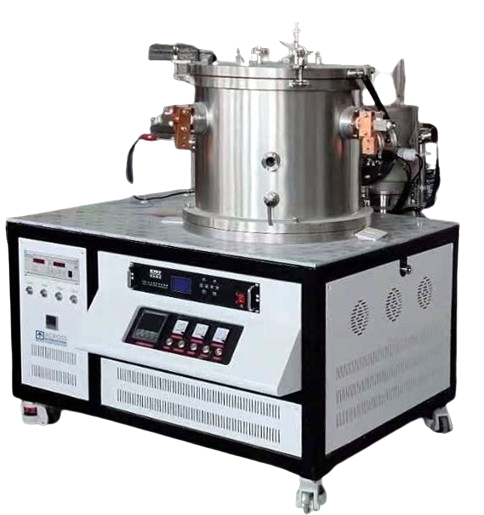
The vacuum tungsten sintering furnace is a vertical structure vacuum resistance furnace that utilizes tungsten mesh as the heating element. It boasts an ultra-high temperature capability of up to 2100°C and operates within high vacuum conditions, making it ideal for laboratory scientific research or industrial production purposes. This furnace finds extensive applications, including the sintering of high-purity ceramics into transparent ceramics, the melting and sintering of high-melting point metals, alloys, ceramics, and other materials, as well as the brightening and degassing of certain metals. Furthermore, it facilitates the measurement of the physical and chemical properties of metals and ceramics under high-temperature vacuum conditions.
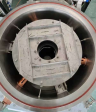
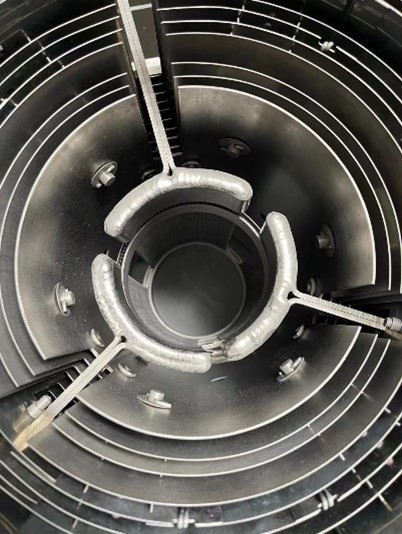
Its insulation layer, designed with proprietary technology, ensures excellent furnace temperature uniformity, minimal thermal field deformation, and an extended service life. Additionally, this equipment offers the advantages of compact size and straightforward operation.
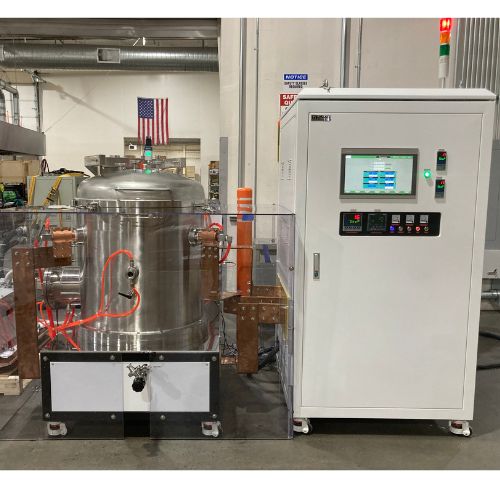
VTSF Specs
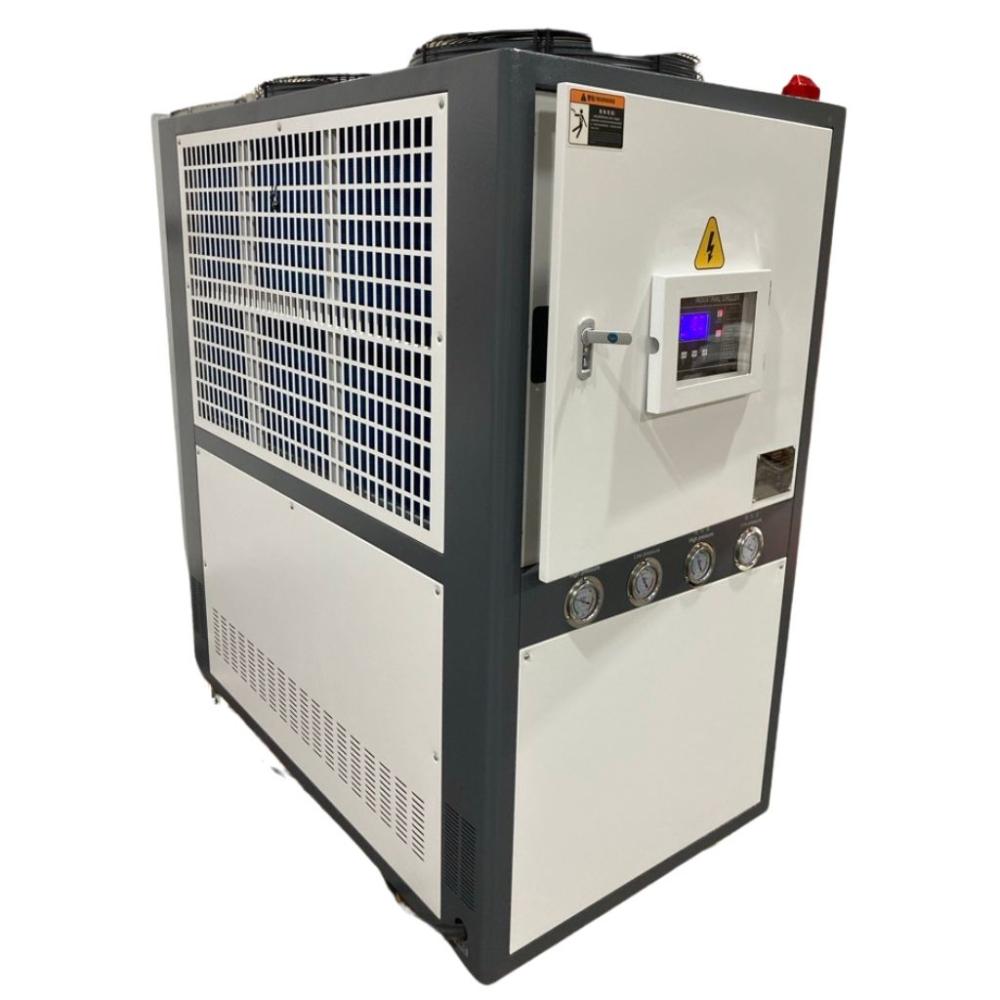
Optional Water Chiller Specs
| ||||||||||||||||||||||||||||||||||||||||||||||||||||||||||||||||||||||||||||||||||||||||||||||||||||||||||||||||||||||||||||||||||||||||||||||||||||||||||||||||||||||||||||||||||||||||||||||||||||||||||||||||||||||||||||||||||||||||
Frequently Asked Questions
What materials are vacuum tungsten sintering furnaces designed for?
Vacuum tungsten sintering furnaces are designed to process high-melting-point and high-purity materials that require oxygen-free heat treatment. They are suitable for ceramics, semiconductor materials, high-performance alloys, refractory metals and alloys, graphite, and composites. Common material examples include tungsten, molybdenum, tantalum, and their alloys, as well as silicon carbide, alumina, stainless steel, and stainless steel alloys.
What should I prepare before installing this furnace?
You will need a stable power supply, a suitable water-cooling system or chiller, proper ventilation, and sufficient space for the furnace, vacuum system, and electrical cabinet. Installation planning should also account for cooling water pressure, ambient temperature, pump setup, and safe access for maintenance.
Why is my furnace not reaching the required temperature or vacuum?
Possible causes include worn heating elements, vacuum leaks, pump issues, insulation degradation, contaminated chamber surfaces, damaged seals, or cooling system problems. Regular inspection and preventive maintenance are essential.
What are common challenges when sintering tungsten?
Common challenges when sintering tungsten come from the material’s sensitivity to processing conditions. Its high melting point requires very high processing temperatures, making densification difficult. Tungsten is also highly sensitive to oxygen, and even small amounts of oxygen can degrade material quality, which is why high-vacuum processing is important. Achieving full density can be challenging due to low self-diffusion rates and residual porosity. Avoiding contamination and maintaining uniform heating are also key concerns for high-purity applications.
How does this furnace improve material quality?
A tungsten sintering furnace improves material quality by providing high-temperature heating and an ultra-clean vacuum environment, which enables effective densification while minimizing contamination. A stable tungsten heating system helps ensure uniform and consistent heating, while high vacuum removes impurities and prevents oxidation.
What are the main applications of tungsten sintering furnaces?
Tungsten sintering furnaces are mainly used for producing high-performance materials that require high temperatures and a clean processing environment. Their primary applications include sintering tungsten and other refractory metals, such as tantalum and molybdenum, processing high-purity ceramics, manufacturing hard metals, preparing high-purity components for medical devices, and developing advanced research materials.
What vacuum level is required for tungsten sintering?
A high vacuum level is required for tungsten sintering to help prevent contamination and oxidation and to support proper material densification, as tungsten is highly reactive with oxygen at high temperatures. Across International VTSF models have an operating vacuum level of < 5 × 10⁻³ Pa, with a molecular pump option reaching < 5 × 10⁻⁴ Pa or < 6.67 × 10⁻⁴ Pa, depending on the model. A high-vacuum environment helps minimize impurities and allows the material to achieve better density and mechanical properties.
Why use tungsten heating elements instead of graphite?
Tungsten heating elements are preferred over graphite in vacuum furnaces because they offer excellent high-temperature stability and low vapor pressure, which helps minimize material evaporation. Unlike graphite, tungsten does not create carbon contamination, making it especially suitable for processing sensitive materials and high-purity metals. This helps ensure a cleaner processing environment and more reliable performance in applications where material purity and integrity are critical.
What temperature range can a tungsten sintering furnace achieve?
The temperature range of a vacuum tungsten sintering furnace depends on the furnace design and heating element type. However, tungsten sintering furnaces are specifically designed for sintering tungsten and other high-melting-point materials. Across International vacuum tungsten sintering furnaces use high-purity tungsten mesh as the heating element and can reach temperatures up to 2100°C.
What should I consider before purchasing a tungsten sintering furnace?
Key considerations include maximum working temperature, achievable vacuum level, compatibility with tungsten or other refractory metals, furnace design, chamber size, heating zone size, load capacity based on your production needs, operating cost, maintenance requirements, and long-term reliability.
Overview
Call for Pricing
The vacuum tungsten sintering furnace is a vertical structure vacuum resistance furnace that utilizes tungsten mesh as the heating element. It boasts an ultra-high temperature capability of up to 2100°C and operates within high vacuum conditions, making it ideal for laboratory scientific research or industrial production purposes. This furnace finds extensive applications, including the sintering of high-purity ceramics into transparent ceramics, the melting and sintering of high-melting point metals, alloys, ceramics, and other materials, as well as the brightening and degassing of certain metals. Furthermore, it facilitates the measurement of the physical and chemical properties of metals and ceramics under high-temperature vacuum conditions.
Its insulation layer, designed with proprietary technology, ensures excellent furnace temperature uniformity, minimal thermal field deformation, and an extended service life. Additionally, this equipment offers the advantages of compact size and straightforward operation.
Check items to add to the cart or
-
![Digital Multi-Channel Gas Mixing System w/ Touch Screen Control]() Digital Multi-Channel Gas Mixing System w/ Touch Screen ControlPrice $6,490.00
Digital Multi-Channel Gas Mixing System w/ Touch Screen ControlPrice $6,490.00 -
![1400°C CVD Tube Furnace with Gas Mixing & Pumping System]() 1400°C CVD Tube Furnace with Gas Mixing & Pumping SystemPrice $7,990.00
1400°C CVD Tube Furnace with Gas Mixing & Pumping SystemPrice $7,990.00 -
![Muffle Furnace]() 1200C Controlled Atmosphere Muffle Furnace ETL/CE CertifiedPrice $7,990.00
1200C Controlled Atmosphere Muffle Furnace ETL/CE CertifiedPrice $7,990.00 -
![Ai 500 Watts 13MHz RF Generator for Up To 150mm Tube Furnaces]() Ai 500 Watts 13MHz RF Generator for Up To 150mm Tube FurnacesPrice $13,990.00
Ai 500 Watts 13MHz RF Generator for Up To 150mm Tube FurnacesPrice $13,990.00 -
![1200°C PE/CVD Furnace w/ RF Generator, Gas Mix & Pumping System]() 1200°C PE/CVD Furnace w/ RF Generator, Gas Mix & Pumping SystemPrice $5,990.00
1200°C PE/CVD Furnace w/ RF Generator, Gas Mix & Pumping SystemPrice $5,990.00 -
![1700°C CVD Tube Furnace with Gas Mixing & Pumping System]() 1700°C CVD Tube Furnace with Gas Mixing & Pumping SystemPrice $12,990.00
1700°C CVD Tube Furnace with Gas Mixing & Pumping SystemPrice $12,990.00