

We use cookies to make your experience better. To comply with the new e-Privacy directive, we need to ask for your consent to set the cookies. Privacy Policy.
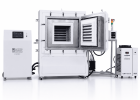
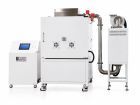
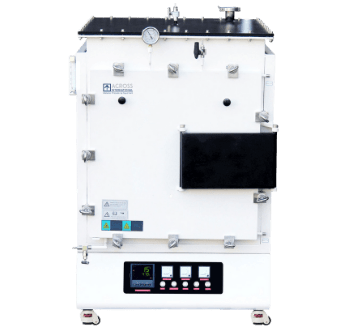
A controlled atmosphere furnace is a high-temperature furnace designed to heat materials inside a regulated gas environment instead of standard air.
By controlling the process atmosphere, these systems help reduce oxidation, manage surface reactions, and support more consistent material properties during heating.
An atmosphere furnace may operate with inert, reducing, or reactive gases depending on the material and process requirements. Nitrogen, argon, and hydrogen are commonly used when users need inert protection, high-purity processing, oxide reduction, or atmosphere-sensitive heat treatment.
Across International controlled atmosphere heat treatment furnace systems are designed for laboratory, R&D, pilot-scale, and industrial thermal processing where gas control, temperature stability, and process repeatability are critical.
Controlled Atmosphere Furnaces
A controlled atmosphere furnace is a high-temperature furnace designed to heat materials inside a regulated gas environment instead of standard air.
By controlling the process atmosphere, these systems help reduce oxidation, manage surface reactions, and support more consistent material properties during heating.
An atmosphere furnace may operate with inert, reducing, or reactive gases depending on the material and process requirements. Nitrogen, argon, and hydrogen are commonly used when users need inert protection, high-purity processing, oxide reduction, or atmosphere-sensitive heat treatment.
Across International controlled atmosphere heat treatment furnace systems are designed for laboratory, R&D, pilot-scale, and industrial thermal processing where gas control, temperature stability, and process repeatability are critical.
Frequently Asked Questions
What is a controlled atmosphere furnace used for?
A controlled atmosphere furnace is used to heat materials in a regulated gas environment to prevent oxidation and improve material properties. Using gases such as nitrogen, argon, hydrogen, or forming gas allows processes like annealing, heat treatment, sintering, and brazing to be carried out without unwanted reactions with air.
How is a controlled atmosphere furnace different from a vacuum furnace?
A controlled atmosphere furnace and a vacuum furnace both aim to prevent unwanted reactions during heating. A controlled atmosphere furnace uses specific gases such as nitrogen, argon, or hydrogen to create a desired environment that can be reducing, inert, or reactive, depending on the process. In contrast, a vacuum furnace removes oxygen and other impurities to prevent oxidation and contamination.
What gases are commonly used in atmosphere furnaces?
Typical gases include nitrogen, argon, hydrogen, and forming gas. The choice depends on whether the process requires inert protection, reduction, or controlled reactions.
What materials can be processed in a controlled atmosphere furnace?
A controlled atmosphere furnace can process a wide range of materials that require protection from oxidation or specific gas interactions during heat treatment. These furnaces are commonly used for metals, ceramics, powders, electronics, and battery materials.
What are the advantages of using a controlled atmosphere furnace?
They provide oxidation control, an improved surface finish, flexibility in processing conditions, and lower operating costs compared to high-vacuum systems in many applications.
What applications require a controlled atmosphere instead of a vacuum?
Applications that require a controlled atmosphere instead of a vacuum involve specific gas interactions. Processes such as annealing, brazing, sintering, and heat treatment often benefit from controlled gas environments, especially when reduction or gas interaction is needed.
What temperature range do controlled atmosphere furnaces support?
Temperature capability depends on the heating element and furnace design, but these systems are typically used for low- to high-temperature applications across lab and industrial processes.
What are common issues with controlled atmosphere furnaces?
Common challenges include gas leaks, inconsistent gas flow, contamination from impurities, and difficulty maintaining stable atmosphere conditions.
Why isn’t my furnace maintaining the correct atmosphere?
This is usually due to leaks, improper gas flow control, poor sealing, or issues with gas supply systems. Regular inspection and calibration are important.
What should I consider before purchasing a controlled atmosphere furnace?
Key factors include temperature range, the type of gas required, flow control system, safety requirements, operating cost, and compatibility with your materials and process.