



We use cookies to make your experience better. To comply with the new e-Privacy directive, we need to ask for your consent to set the cookies. Privacy Policy.
Product Video
Call For Price
A molybdenum vacuum furnace represents a specialized form of high-temperature heat treatment furnace that is used across diverse industrial sectors. Known for its superior vacuum performance, high temperature stability, effective heat transfer and high durability, this furnace is a fit for applications where there is need for high purity and vacuum standards. By using molybdenum as its heating element, it creates a vacuum environment that shields heated materials from environmental contamination.

Here are some applications the furnace can be used for
- Annealing and sintering operations
- Material treatment
- Sintering in high-temperature atmospheres
- Refinement of high-purity metals and alloys
- Heat treatment processes
- Sapphire crystal growth
- High-temperature experiments


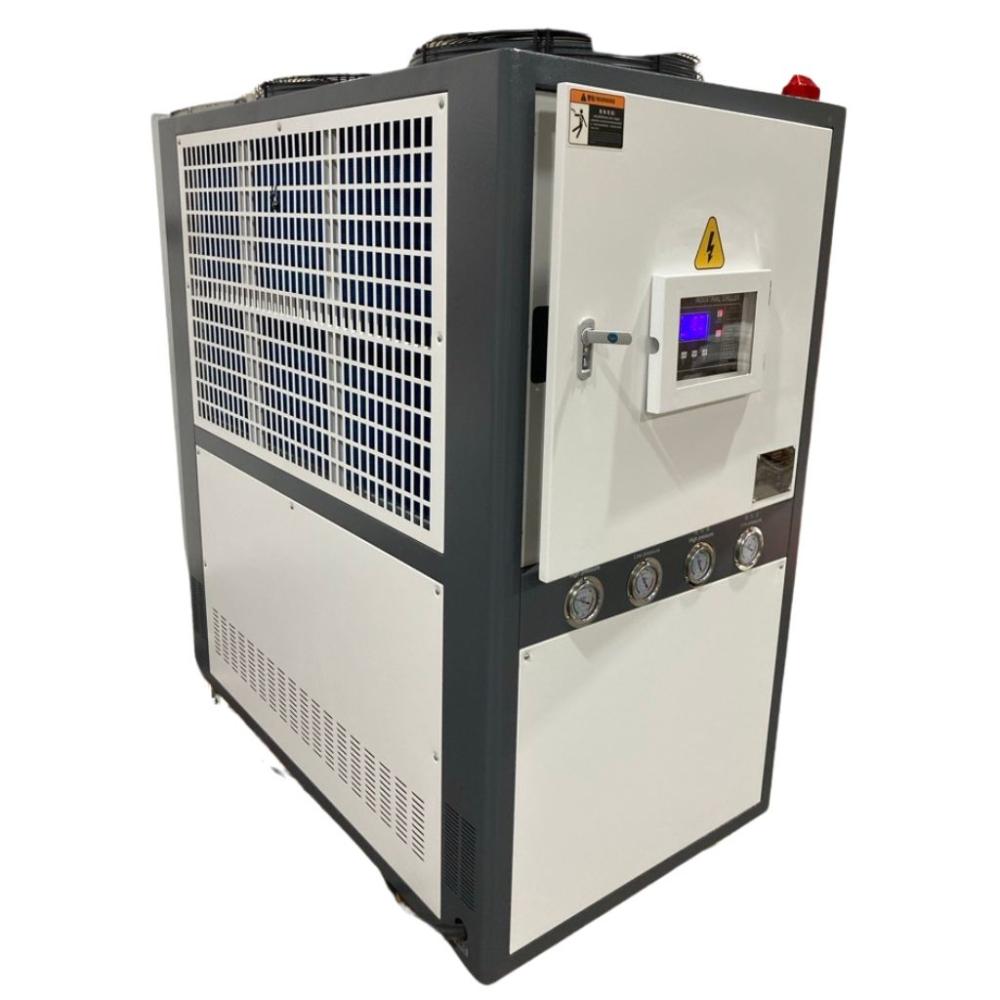
Molybdenum Furnace
| ||||||||||||||||||||||||||||||||||||||||||||||||||||||||||||||||||||||||||||||||||||||||||||||||||||||||||||||||||||||||||||||||||||||||||||||||||||||||||||||||||||||||||||||||||||||||||||||||||||||||||||||||||||||||||||||||||||||||||||||||||||||||
Frequently Asked Questions
What is a molybdenum furnace used for?
A molybdenum furnace is a type of high-temperature vacuum furnace that uses molybdenum heating elements and insulation to provide a clean, stable thermal environment. It is used for high-temperature heat treatment and sintering under vacuum or a controlled atmosphere, especially for materials that require clean, oxygen-free processing.
What are the installation requirements for a molybdenum furnace?
The system requires a stable power supply, a cooling system, proper ventilation, and adequate space for the furnace and vacuum equipment.
Why is my furnace not reaching the required temperature or vacuum level?
This is often caused by worn heating elements, insulation degradation, leaks, or vacuum pump issues. Routine maintenance and inspection are important.
What are common issues with molybdenum furnaces?
Potential issues include oxidation if exposed to air at high temperatures, heating element wear over time, and vacuum system maintenance. Proper operation helps extend component life.
What are the advantages of a molybdenum furnace?
Key benefits include good temperature uniformity, clean processing without carbon contamination, stable performance in vacuum, and a lower cost compared to tungsten-based systems.
What vacuum level is required for a molybdenum furnace?
These furnaces typically operate under high-vacuum conditions to prevent oxidation and ensure clean processing, especially for sensitive metals.
What materials can be processed in a molybdenum furnace?
A molybdenum furnace can process a wide range of materials that require high-temperature, vacuum or inert gas, and clean-atmosphere conditions. Common materials include stainless steel, tool steel, nickel alloys, titanium alloys, and various powder metallurgy components that require controlled, clean heating.
What temperature range can a molybdenum furnace achieve?
Depending on the quality of the molybdenum heating element and the furnace design, molybdenum furnaces can typically reach temperatures in the range of 1200°C to 1800°C.
Why use molybdenum heating elements instead of tungsten or graphite?
Molybdenum offers a balance between material purity, temperature capability, and cost. Compared to graphite, molybdenum provides a much cleaner environment, making it suitable for metals and alloys that are sensitive to carbon. In addition, compared to tungsten, molybdenum is more cost-effective, offering good thermal stability and excellent performance at moderate to high temperatures up to 1800°C. It performs well in vacuum environments and avoids carbon contamination, making it suitable for many metal and alloy processes.
What should I consider before purchasing a molybdenum furnace?
Important factors include temperature requirements, material type, vacuum level, operating cost, maintenance needs, and how the furnace fits your production scale.
Overview
Call For Price
A molybdenum vacuum furnace represents a specialized form of high-temperature heat treatment furnace that is used across diverse industrial sectors. Known for its superior vacuum performance, high temperature stability, effective heat transfer and high durability, this furnace is a fit for applications where there is need for high purity and vacuum standards. By using molybdenum as its heating element, it creates a vacuum environment that shields heated materials from environmental contamination.
Here are some applications the furnace can be used for
- Annealing and sintering operations
- Material treatment
- Sintering in high-temperature atmospheres
- Refinement of high-purity metals and alloys
- Heat treatment processes
- Sapphire crystal growth
- High-temperature experiments
Check items to add to the cart or
-
![1400°C CVD Tube Furnace with Gas Mixing & Pumping System]() 1400°C CVD Tube Furnace with Gas Mixing & Pumping SystemPrice $7,990.00
1400°C CVD Tube Furnace with Gas Mixing & Pumping SystemPrice $7,990.00 -
![Ai 500 Watts 13MHz RF Generator for Up To 150mm Tube Furnaces]() Ai 500 Watts 13MHz RF Generator for Up To 150mm Tube FurnacesPrice $13,990.00
Ai 500 Watts 13MHz RF Generator for Up To 150mm Tube FurnacesPrice $13,990.00 -
![Muffle Furnace]() 1200C Controlled Atmosphere Muffle Furnace ETL/CE CertifiedPrice $7,990.00
1200C Controlled Atmosphere Muffle Furnace ETL/CE CertifiedPrice $7,990.00 -
![Digital Multi-Channel Gas Mixing System w/ Touch Screen Control]() Digital Multi-Channel Gas Mixing System w/ Touch Screen ControlPrice $6,490.00
Digital Multi-Channel Gas Mixing System w/ Touch Screen ControlPrice $6,490.00 -
![1700°C CVD Tube Furnace with Gas Mixing & Pumping System]() 1700°C CVD Tube Furnace with Gas Mixing & Pumping SystemPrice $12,990.00
1700°C CVD Tube Furnace with Gas Mixing & Pumping SystemPrice $12,990.00 -
![1200°C PE/CVD Furnace w/ RF Generator, Gas Mix & Pumping System]() 1200°C PE/CVD Furnace w/ RF Generator, Gas Mix & Pumping SystemPrice $5,990.00
1200°C PE/CVD Furnace w/ RF Generator, Gas Mix & Pumping SystemPrice $5,990.00