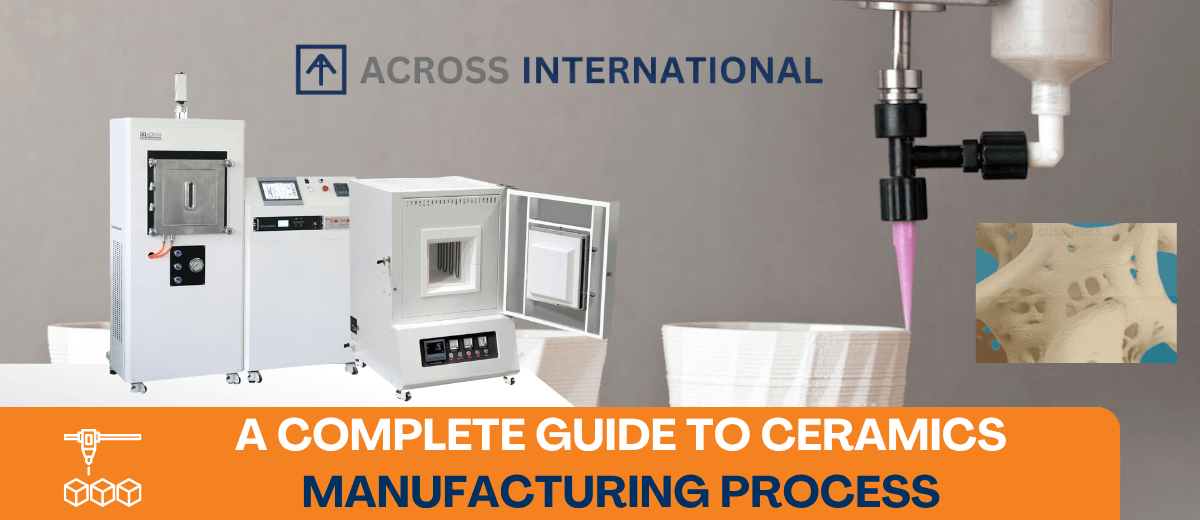
Ceramic manufacturing is a technique that involves the conversion of inorganic raw material into pure high-quality products. While technology has advanced, advanced ceramic processing has become a driving force in materials science innovation. Technical
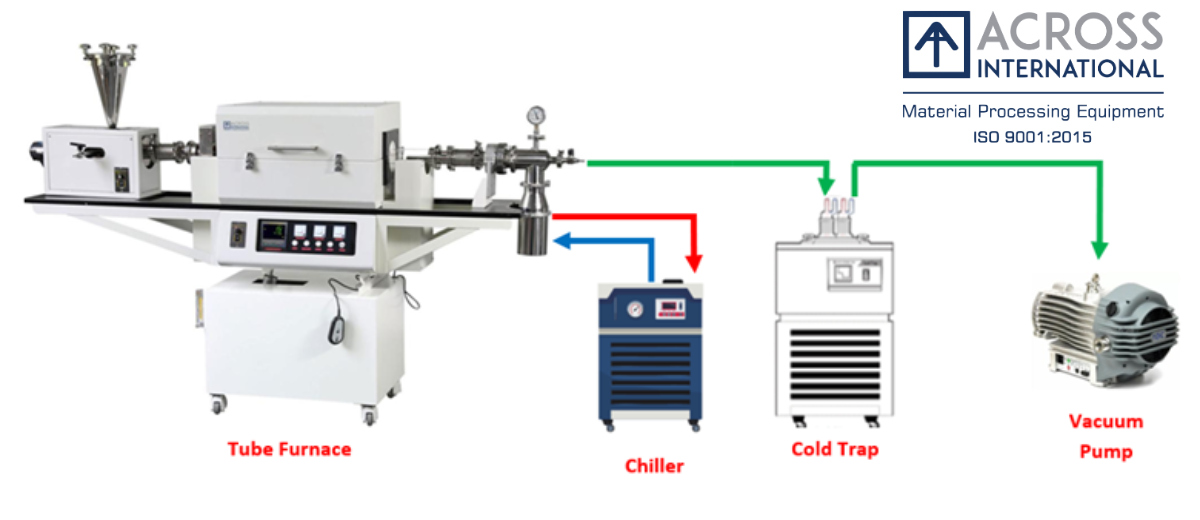
Exploring Biochar Production: The Role of Vacuum Ovens & Rotary Tube Furnaces
As we move towards sustainable energy solutions, biochar production through pyrolysis and torrefaction of biomass has gained significant traction. Central to this process
Silicon carbide, also known as SiC, is a semiconductor base material that consists of pure silicon and pure carbon. You can dope SiC with nitrogen or phosphorus to form an n-type semiconductor or dope it with beryllium, boron, aluminum, or gallium
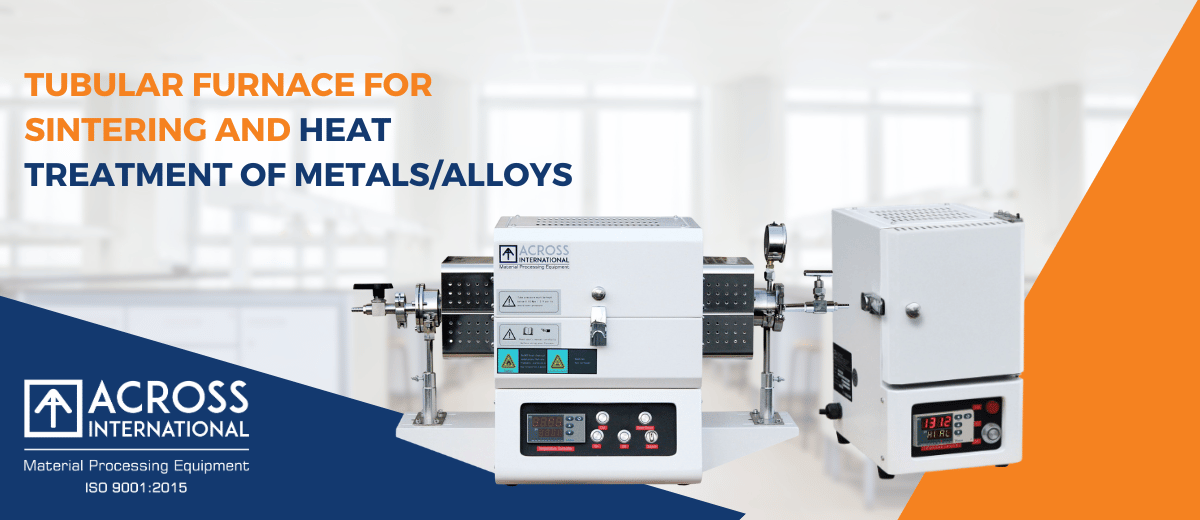
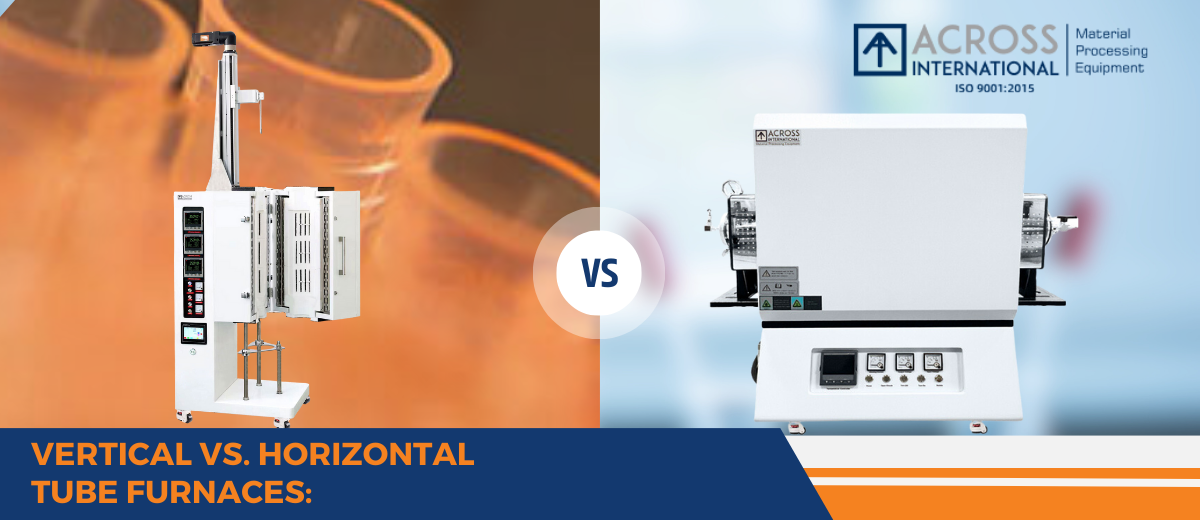
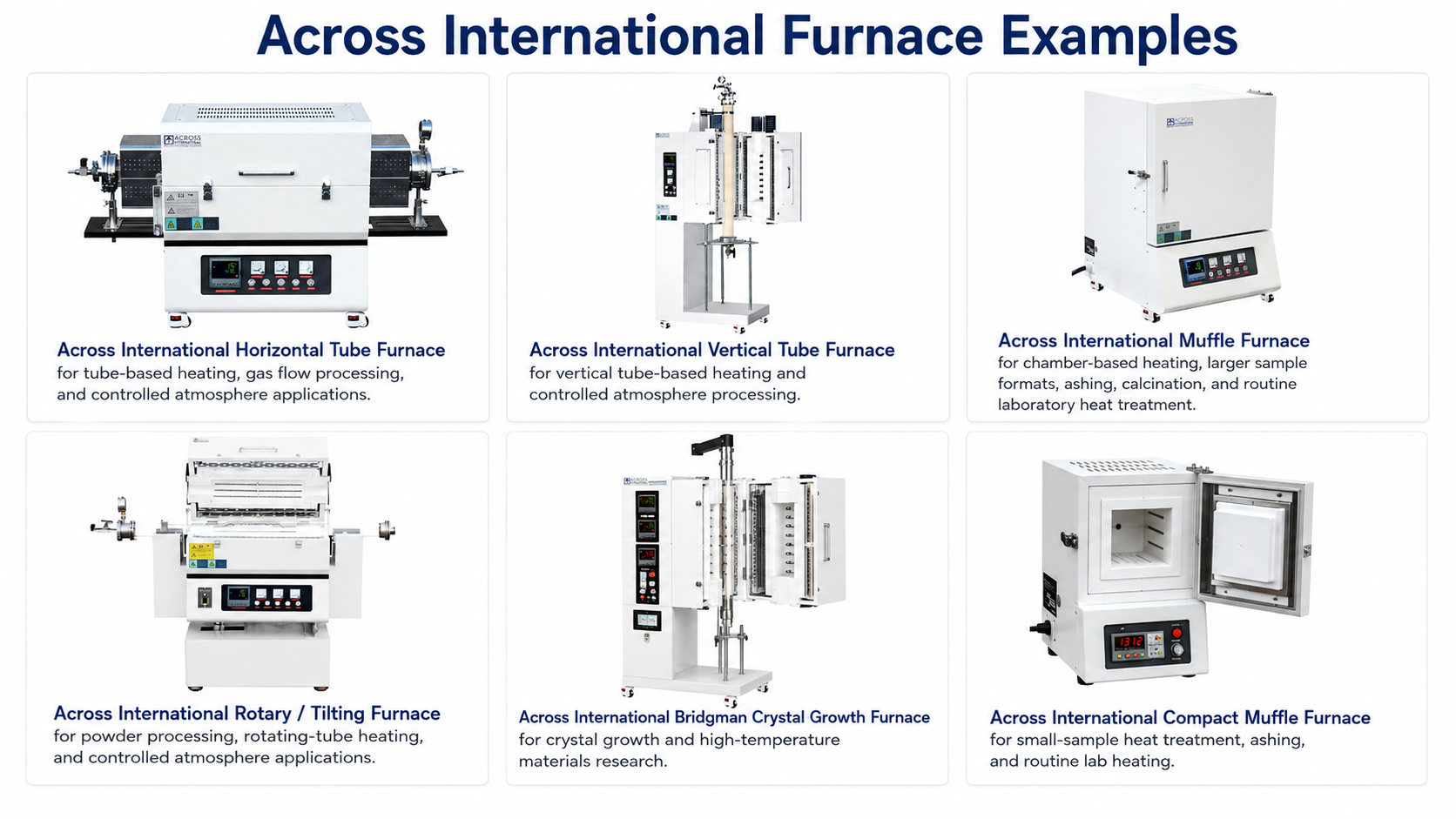
The heating furnace plays an important role in the industrial production cycle as it is the most important heating equipment. Some of the researchers have used a tubular furnace to sintering/heat-treating the compact. They have used an electric tubular
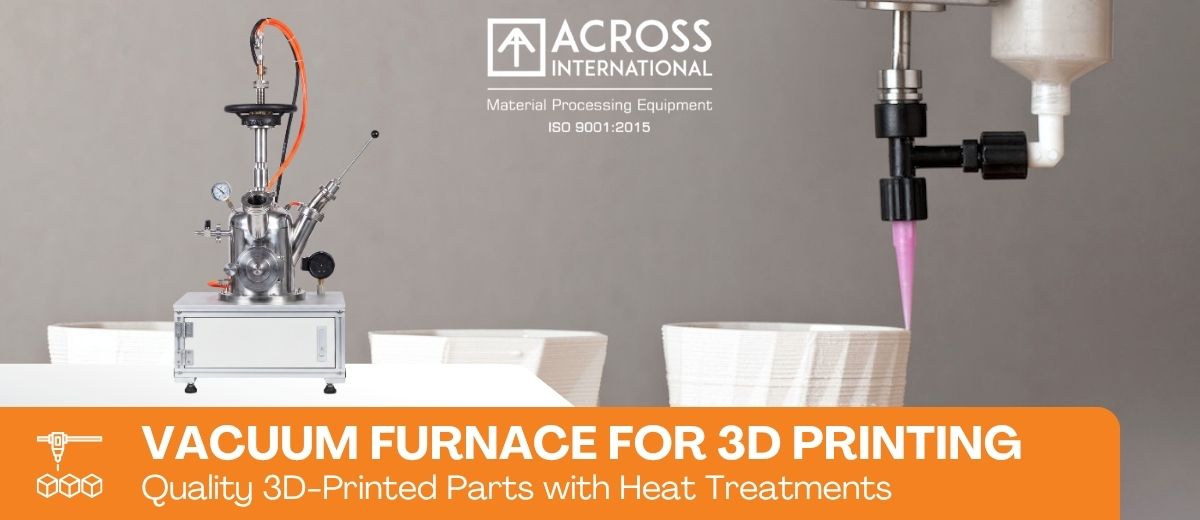
A vacuum sintering furnace is a high-temperature furnace that is used to sinter metal powder parts that have been 3D printed. Sintering is a process that fuses the powder particles together without melting
As technology advances, people discover different ways to do their tasks more efficiently than before, one of which is creating parts or components using 3D printing. This technology is quickly becoming more popular, especially in manufacturing metal
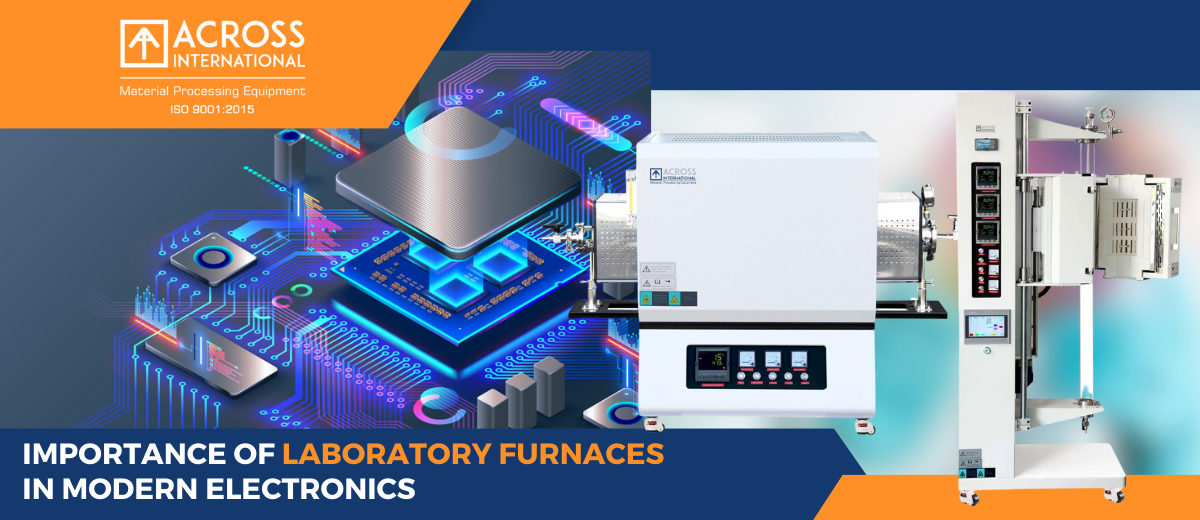
Laboratory furnaces are essential tools for the development and manufacturing of modern electronics. They are used to perform a variety of tasks, including:
-- Growing single-crystal semiconductor ingots. This is a critical step in the production of
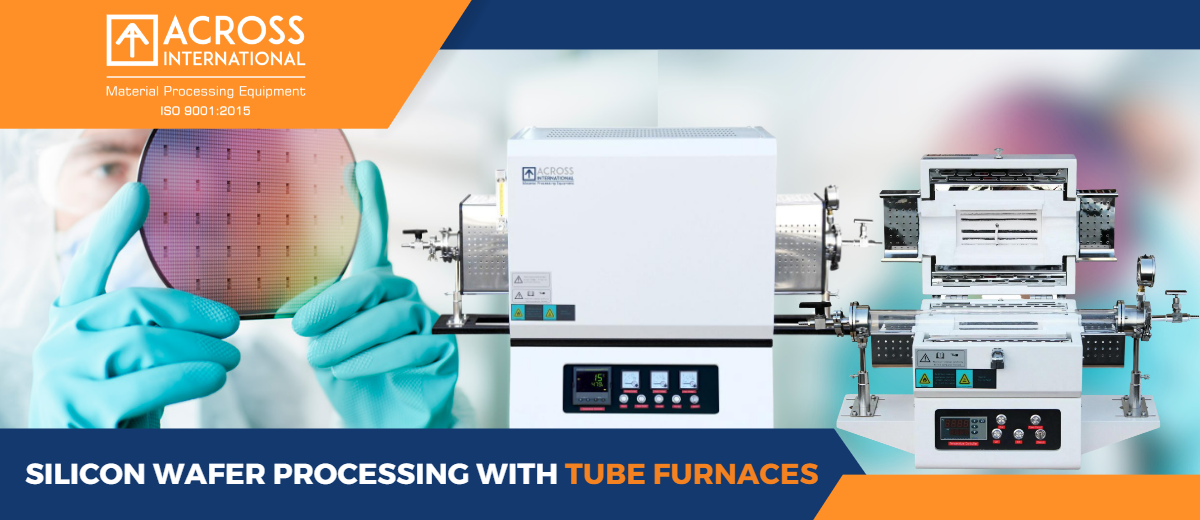
Silicon wafers are the foundation of semiconductor devices that power nearly every piece of electronic equipment we use. They have been used for decades in the production of other electronic circuitry because they’re cheap to produce and reliable, but
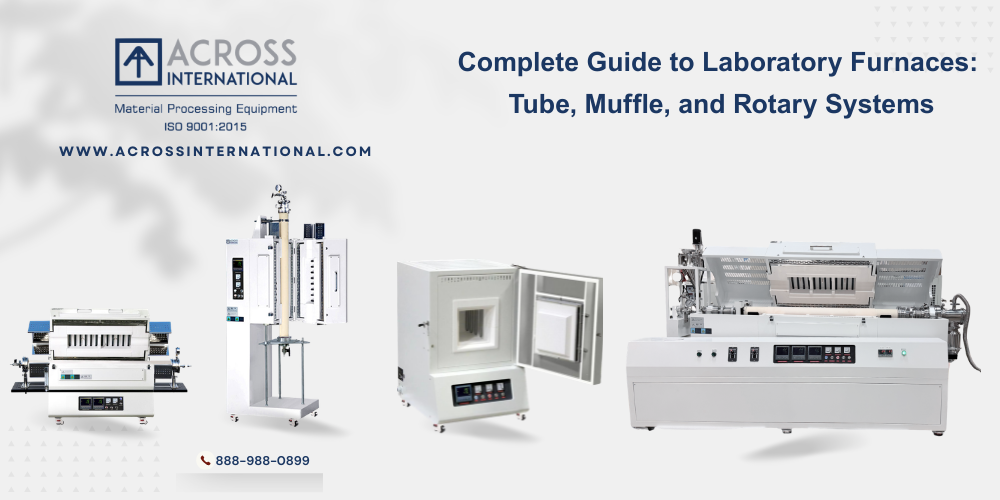
In the realm of laboratory work, precision, and efficiency are paramount. Laboratory furnaces, with their ability to generate controlled and consistently high temperatures, play a vital role in numerous industries. They are indispensable tools for processes
We use cookies to make your experience better.To comply with the new e-Privacy directive, we need to ask for your consent to set the cookies.Privacy Policy.