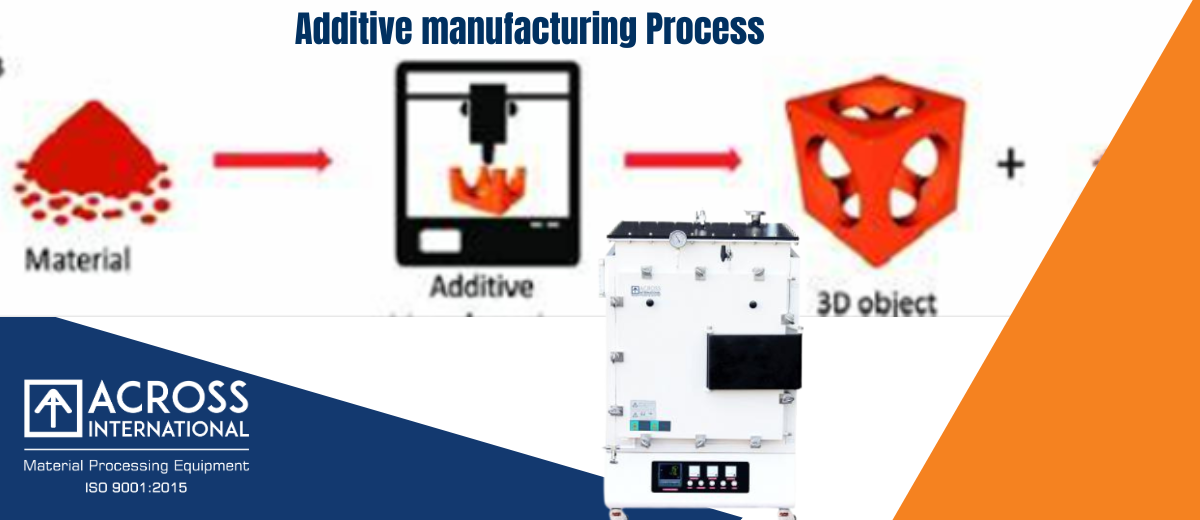
Additive manufacturing (AM), also commonly known as 3D printing, is a revolutionary process that creates objects layer by layer from a digital model. Unlike traditional subtractive manufacturing methods that remove material from a block, AM builds parts
Silicon carbide, also known as SiC, is a semiconductor base material that consists of pure silicon and pure carbon. You can dope SiC with nitrogen or phosphorus to form an n-type semiconductor or dope it with beryllium, boron, aluminum, or gallium
Innovative materials play essential roles in safety, clean energy, transportation, human health, and industrial productivity. To fuel continued innovation, researchers want to deepen their understanding of the physical and chemical properties of materials
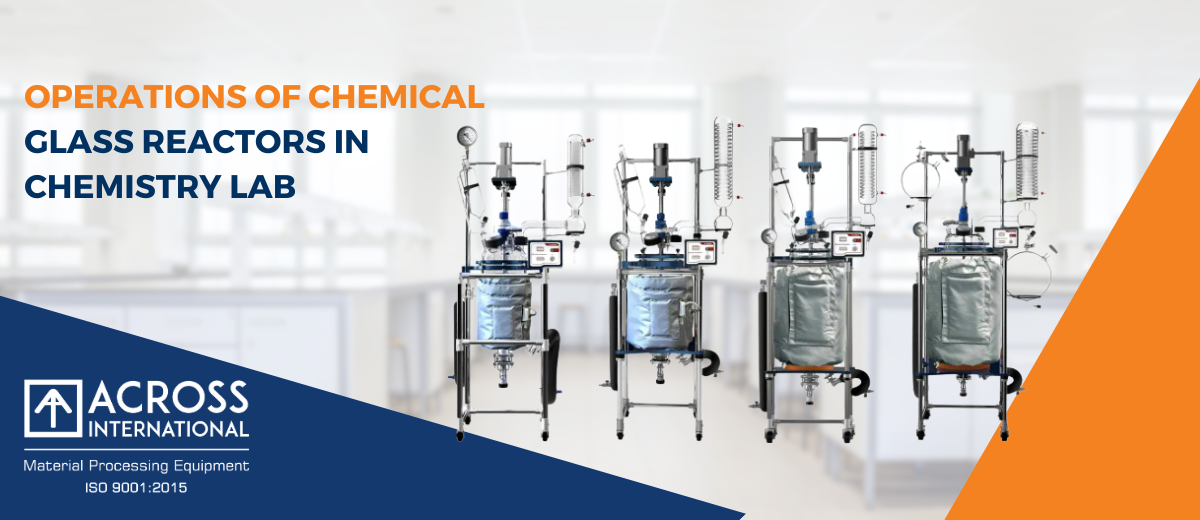
The chemical glass reactor is a vessel used to carry out chemical reactions. The chemical glass reactor regulates conditions such as temperature and pressure, which bring about the ideal condition for the chemical reaction.With a glass reactor, you
A crystal is a material with a highly ordered microscopic structure of its constituents that form a crystal lattice. The process in which crystals are formed is called crystallization.
Crystal growth is an important stage in the crystallization process
As the world slowly transitions from fossil fuel to emissions-free electrification, batteries become an indispensable storage tool for energy transfer. In particular, lithium-ion batteries are the preferred option for powering everything from mobile phones to electric vehicles.
On top of that, studies suggest that global battery demand will increase from 185 GWh in 2020 to over 2,000 GWh by 2030. This skyrocketing demand for batteries also pressures manufacturers to ramp up their production.
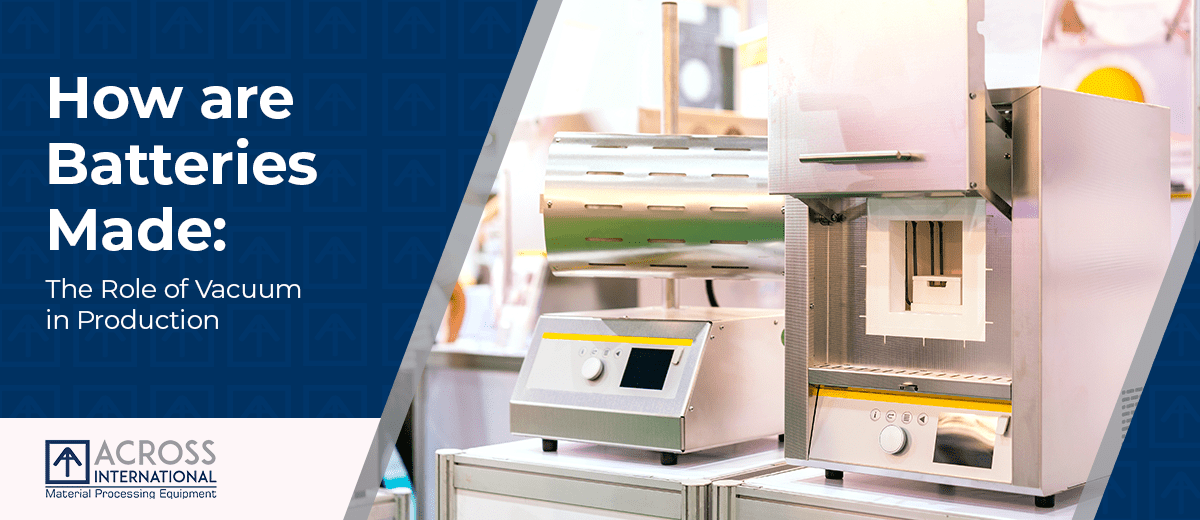
The growing demand for batteries is almost inevitable. So, organizations that heavily rely on batteries need to ask an important question to determine whether to have a position in battery manufacturing: How are batteries made, and what materials are necessary for production?
We use cookies to make your experience better.To comply with the new e-Privacy directive, we need to ask for your consent to set the cookies.Privacy Policy.