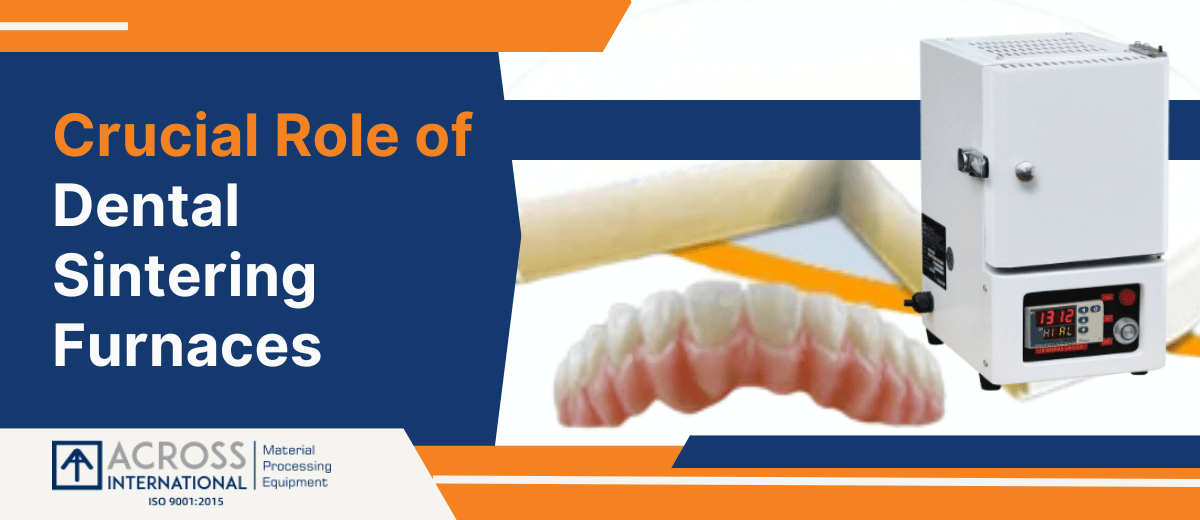
Dental Sintering furnaces play a crucial role in the sintering process of dental restorations, particularly those made from zirconia. This process transforms the milled zirconia framework into a strong, biocompatible final product. Dental sintering furnaces
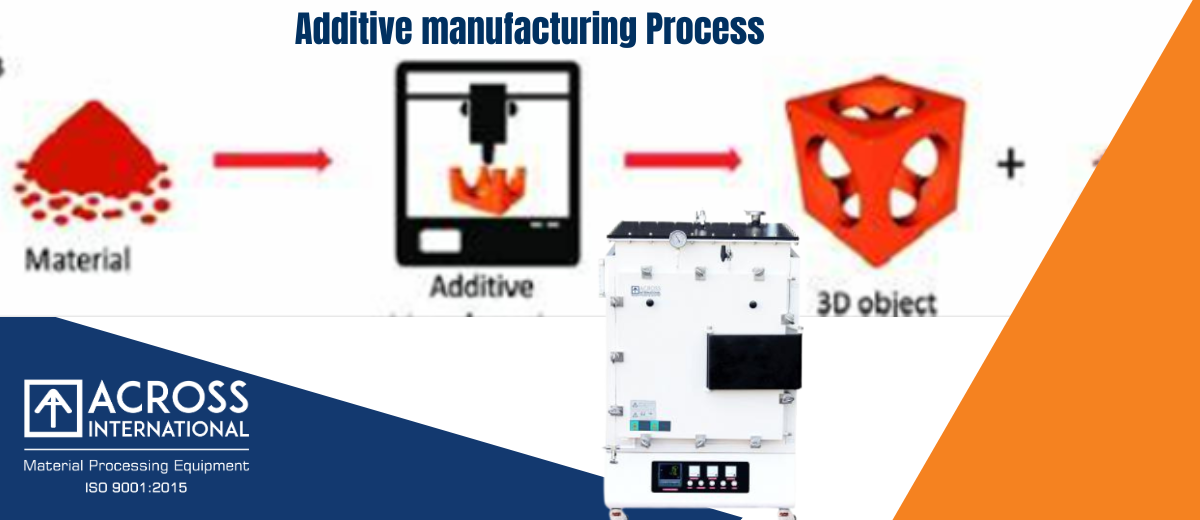
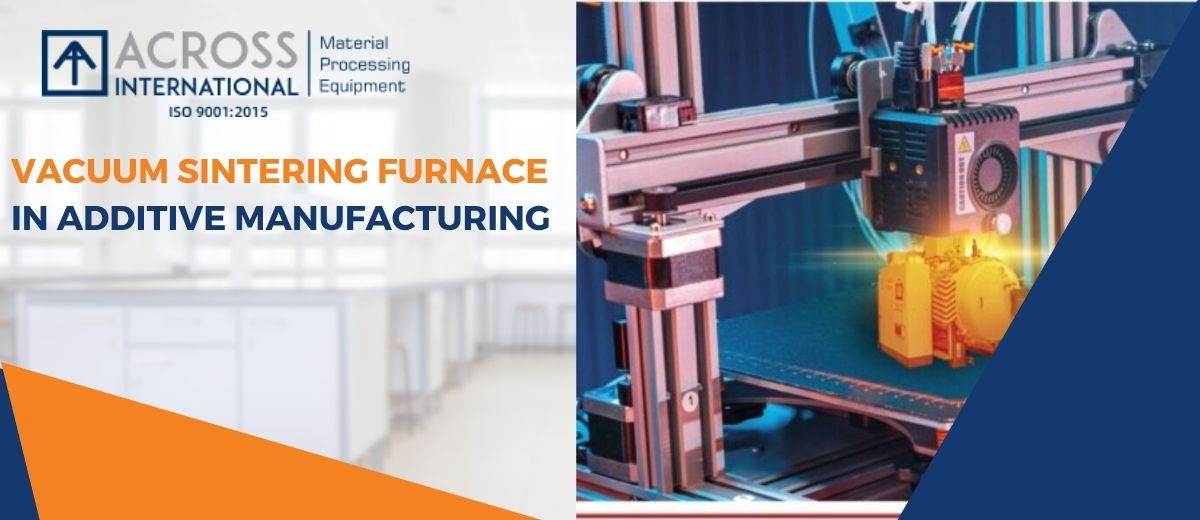
Additive manufacturing (AM), also commonly known as 3D printing, is a revolutionary process that creates objects layer by layer from a digital model. Unlike traditional subtractive manufacturing methods that remove material from a block, AM builds parts
The CVD diamond market is rapidly growing, driven by increasing consumer awareness of its ethical and environmental benefits, competitive pricing, and customization options. As technology advances and production costs decrease,
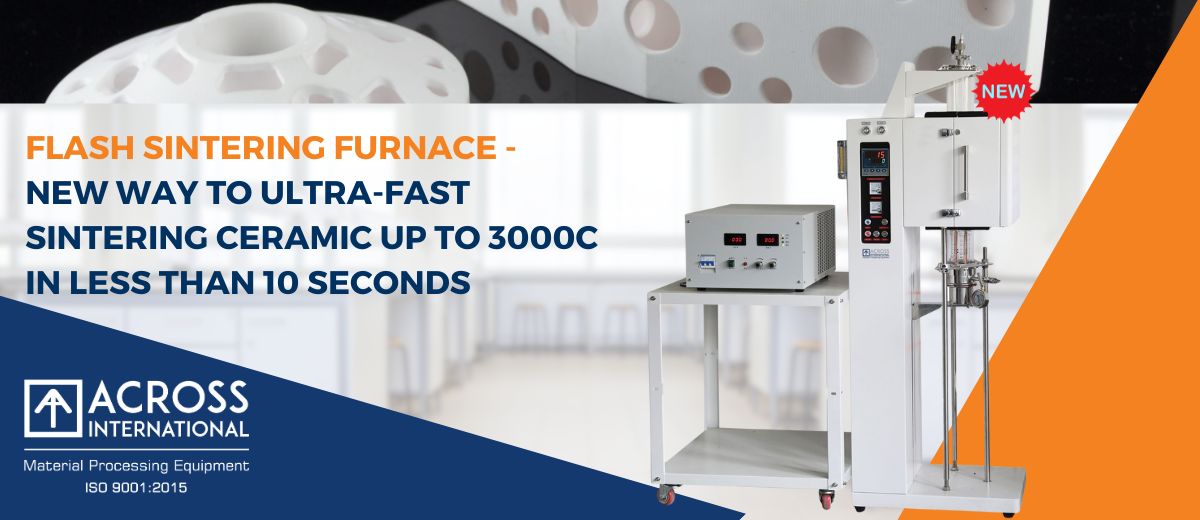
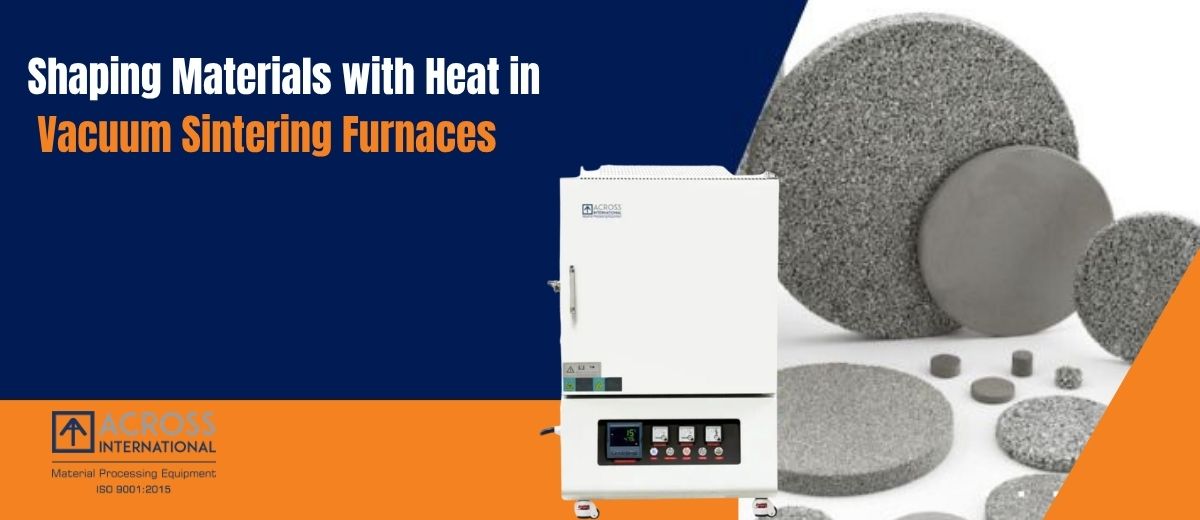
Sintering is the bonding of adjacent powder particle surfaces in a mass of metal powders, or a compact, by heating. Also, a shaped body composed of metal powders and produced by sintering with or without prior compaction.
While manufacturers scramble to realize the full promise of 3D metal printing with new methods, better throughput and more accuracy, a survey of 3d Printing technology in 2017 shows that Powder Bed Fusion, or Direct Energy Deposition methods still
Metal additive manufacturing or metal 3D printing are terms that everyone in the metal-processing industry is seeking to understand. The “what” and the “how” are becoming clearer every day. However, new advancements seem to occur almost daily with no
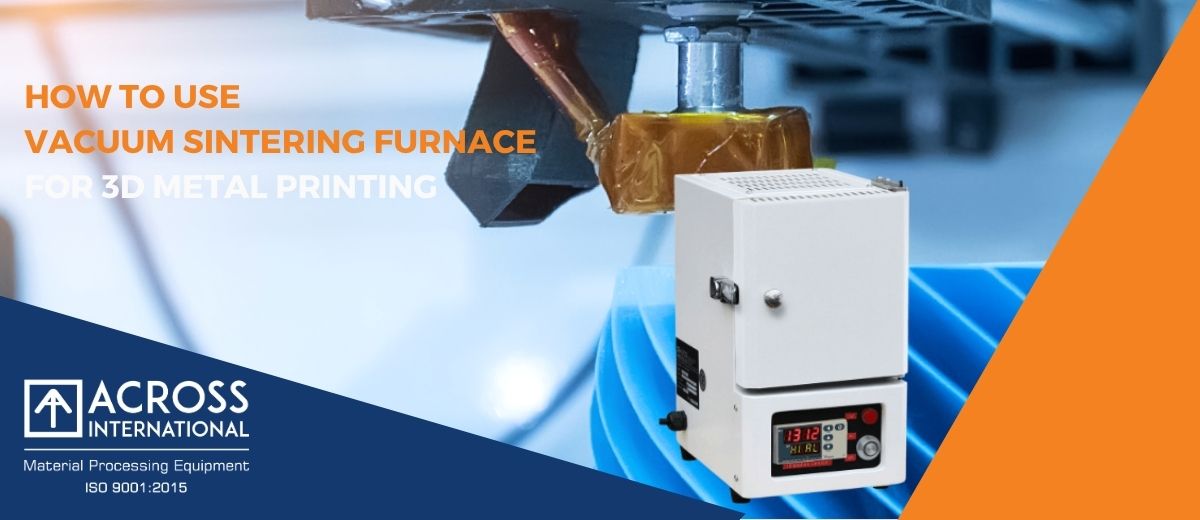
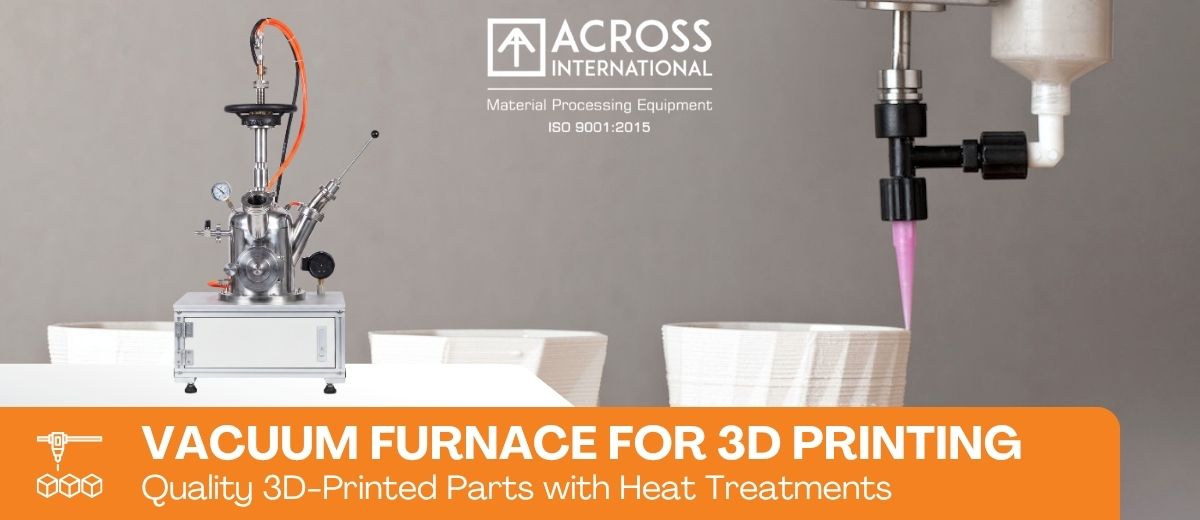
A vacuum sintering furnace is a high-temperature furnace that is used to sinter metal powder parts that have been 3D printed. Sintering is a process that fuses the powder particles together without melting
As technology advances, people discover different ways to do their tasks more efficiently than before, one of which is creating parts or components using 3D printing. This technology is quickly becoming more popular, especially in manufacturing metal
Induction Heating offers a controllable and localized method of heat without contact to the parts (components) being heated. The heat is generated by inducing an alternating magnetic field into electrically conductive materials.
We use cookies to make your experience better.To comply with the new e-Privacy directive, we need to ask for your consent to set the cookies.Privacy Policy.