
Metal additive manufacturing or metal 3D printing are terms that everyone in the metal-processing industry is seeking to understand. The “what” and the “how” are becoming clearer every day. However, new advancements seem to occur almost daily with no real end in sight.
Vacuum sintering is a heat treatment process that is used to join powder particles together without melting them. It is a common process in additive manufacturing (AM), where it is used to consolidate metal powders that have been printed into 3D shapes.
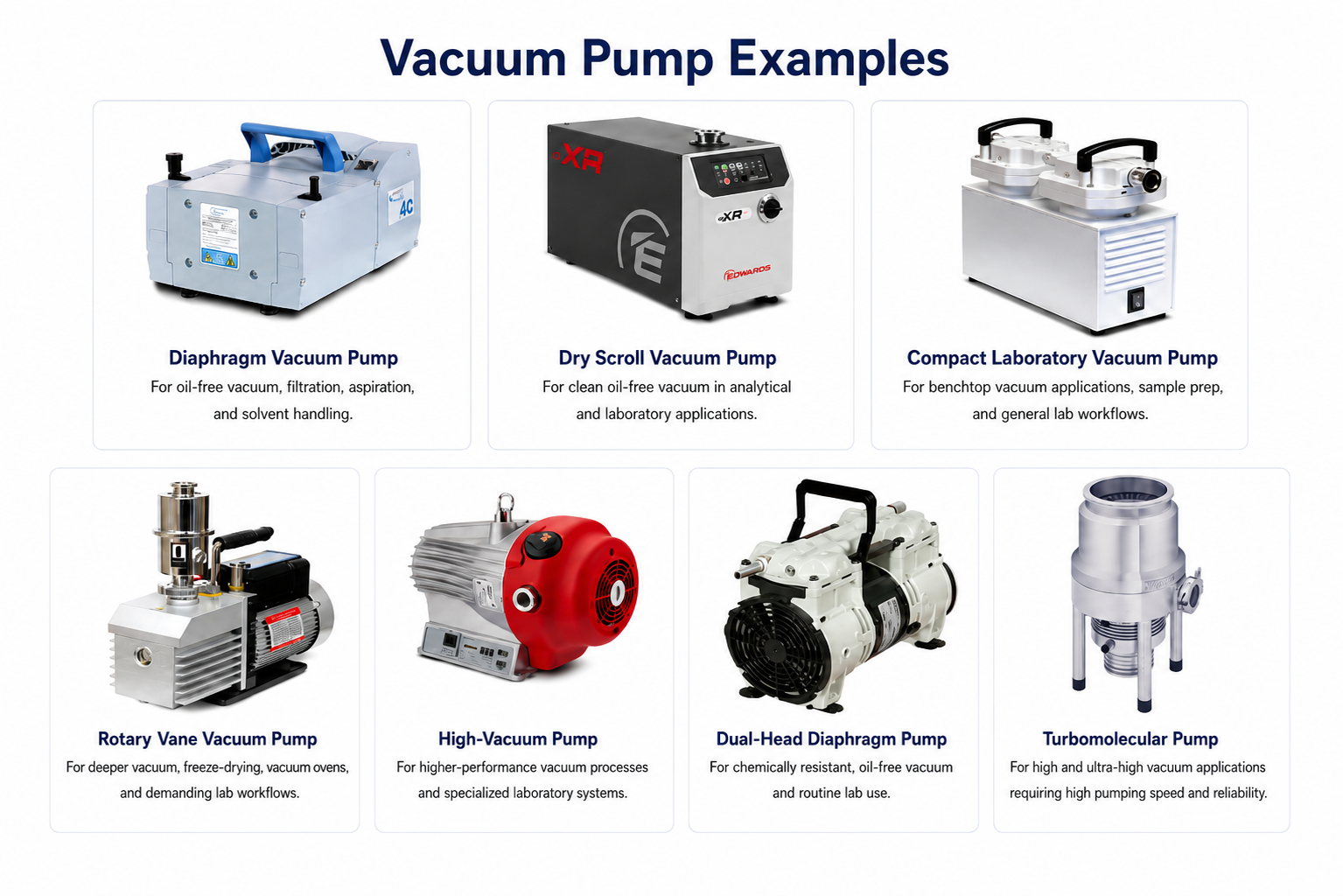
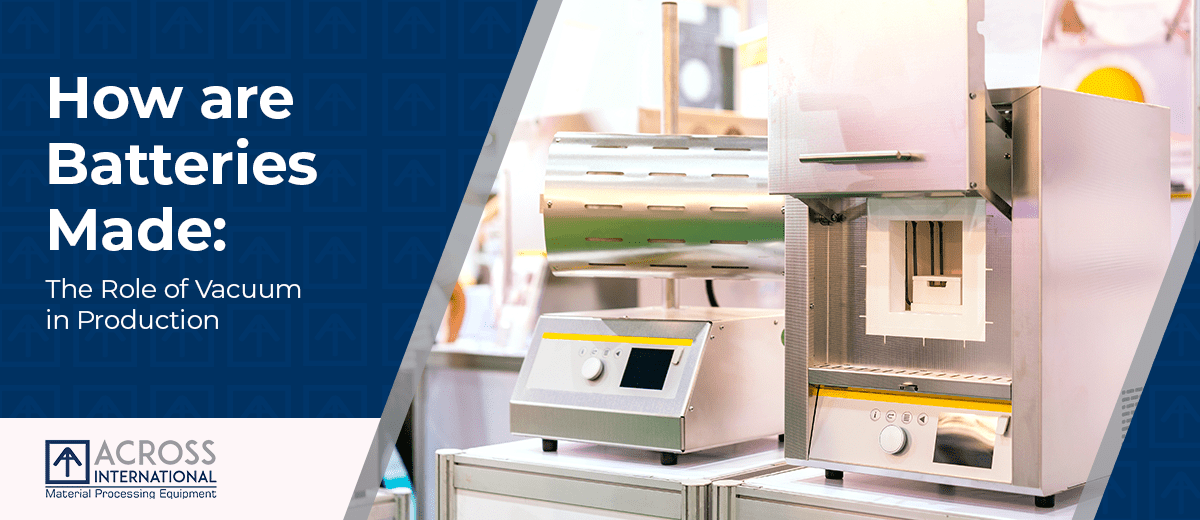
A vacuum sintering furnace is a special type of furnace that is designed to create a vacuum environment. This is important because it prevents oxidation and contamination of the powder particles, which can lead to defects in the final sintered part.
The vacuum sintering process typically involves the following steps:
* The powder is loaded into the furnace and the vacuum is drawn.
* The furnace is heated to the sintering temperature.
* The powder is held at the sintering temperature for a specified time.
* The furnace is cooled to room temperature.
* The sintering temperature and time will vary depending on the material being
Vacuum sintering offers several advantages over other sintering methods, including:
Improved surface finish: The absence of oxygen in the vacuum environment prevents oxidation of the powder particles, which results in a brighter and smoother surface finish on the sintered part.
Reduced contamination: The vacuum environment also prevents contamination of the powder particles by other gases or vapors, which can also lead to defects in the final sintered part.
Improved dimensional tolerances: The vacuum environment helps to prevent shrinkage of the powder particles during sintering, which can improve the dimensional tolerances of the sintered part.
Increased strength: The vacuum environment also helps to promote sintering reactions, which can lead to increased strength and toughness of the sintered part.
Vacuum sintering furnaces are a critical part of the additive manufacturing process for metal powders. They help to ensure that the sintered parts are of high quality and meet the required specifications.
Here are some of the materials that are commonly sintered in vacuum furnaces:
|
Steel |
Titanium |
Nickel |
|
Cobalt |
Zirconium
|
Tantalum
|
|
Niobium |
Molybdenum |
Tugsten |
The cost of a vacuum sintering furnace will vary depending on the size and features of the furnace. However, they are typically more expensive than other types of sintering furnaces.
If you are considering using vacuum sintering for your additive manufacturing applications, it is important to consult with a qualified engineer to determine the best furnace for your needs.
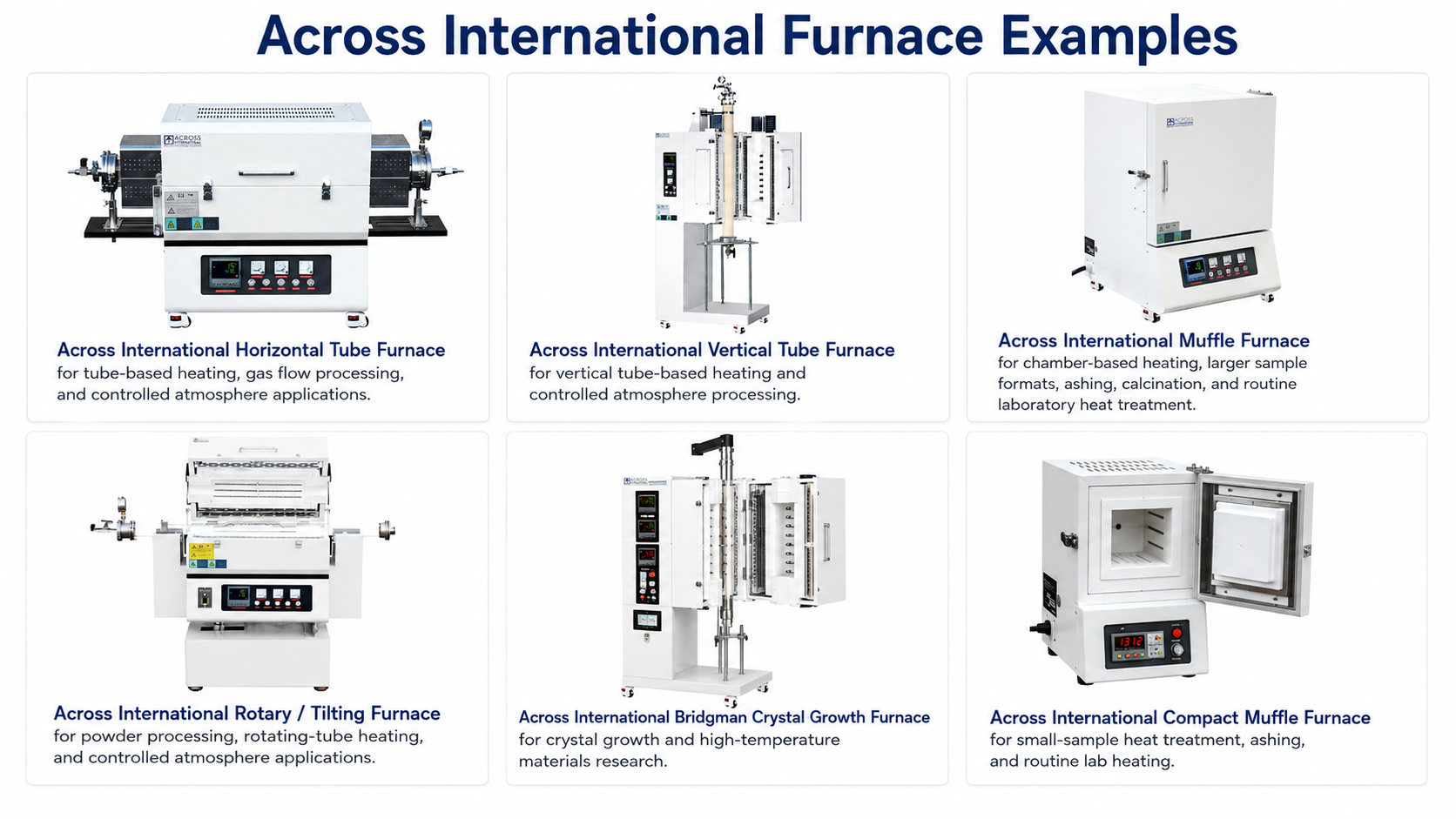
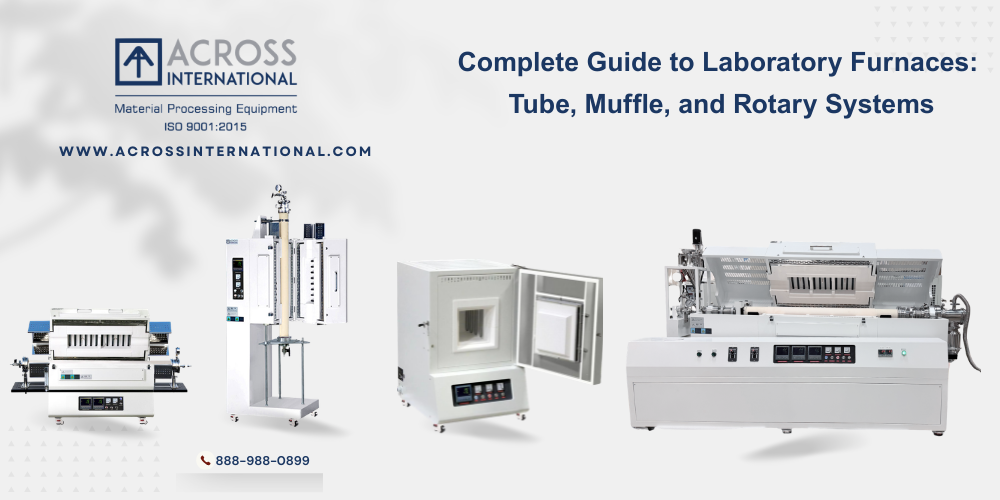
Range of heat treatment furnaces specially designed for 3D printing technology. Across International is a dedicated line of furnaces for every type of metal additive manufacturing process: debinding, sintering, and other heat treating processes. Designed for heat treatment of many different products of additive manufacturing.
Vacuum sintering furnaces can be used for a variety of applications, including:
Medical implants : Vacuum sintering furnaces are used in the production of medical implants to achieve superior product quality and biocompatibility. The vacuum environment prevents oxidation and contamination of the powder particles, which can lead to defects in the final sintered implant.
Aerospace components : Vacuum sintering furnaces are used in the aerospace industry to manufacture components that require high strength, light weight, and resistance to extreme temperatures. The vacuum environment prevents oxidation and contamination of the powder particles, which can lead to defects in the final sintered Vacuum sintering furnaces are a critical part of the manufacturing process for aerospace components. They help to ensure that the sintered components are of high quality and meet the required specifications.
Here are some of the aerospace components that are commonly made using vacuum sintering:
* Turbine blades
* Engine parts
* Structural components
* Landing gear components
* Rocket parts
* Spacecraft components
The cost of a vacuum sintering furnace will vary depending on the size and features of the furnace. However, they are typically more expensive than other types of sintering furnaces.
If you are considering using vacuum sintering for the manufacture of aerospace components, it is important to consult with a qualified engineer to determine the best furnace for your needs.
Automotive parts : Vacuum sintering furnaces are used in the automotive industry to manufacture components that require high strength, light weight, and resistance to wear and corrosion. The vacuum environment prevents oxidation and contamination of the powder particles, which can lead to defects in the final sintered component.
Some of the common materials that are sintered in vacuum furnaces for automotive parts include:
* Stainless steel
* Cobalt-chromium alloys
* Iron-based alloys
* Ceramics
* Graphite
* Tungsten carbide
Vacuum sintering furnaces are a critical part of the manufacturing process for automotive parts. They help to ensure that the sintered components are of high quality and meet the required specifications.
Electrical components/Semiconductor Industry : A vacuum sintering furnace is a type of furnace that is used to sinter powder materials in a vacuum environment. This is important for the production of electrical components and semiconductors because it prevents oxidation and contamination of the powder particles, which can lead to defects in the final sintered component.
Jewelry Manufacturing :Vacuum sintering furnaces are used in jewelry manufacturing to produce high-quality jewelry pieces that are free of oxidation and contamination. The vacuum environment prevents the powder particles from reacting with oxygen, which can lead to defects in the final sintered piece.