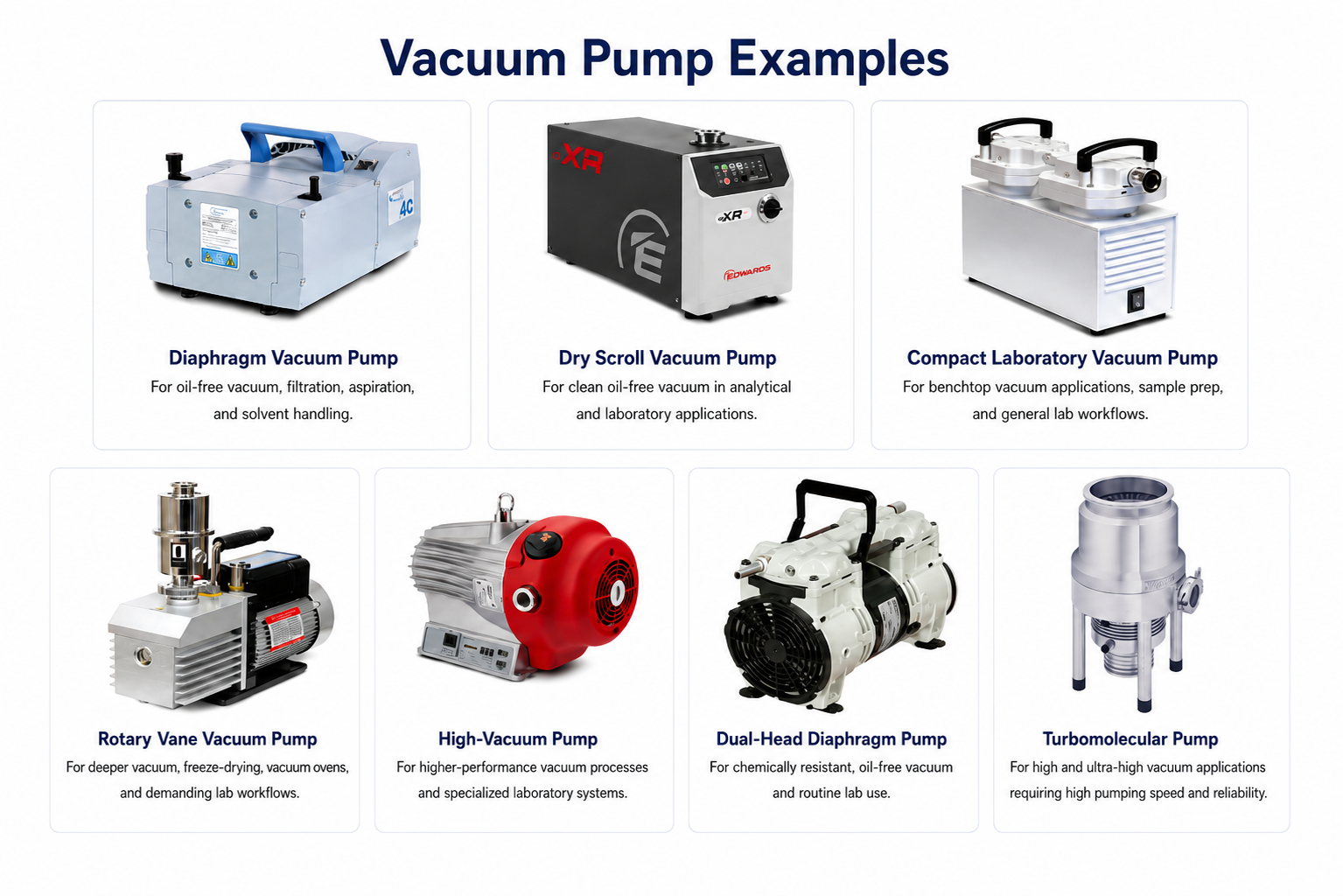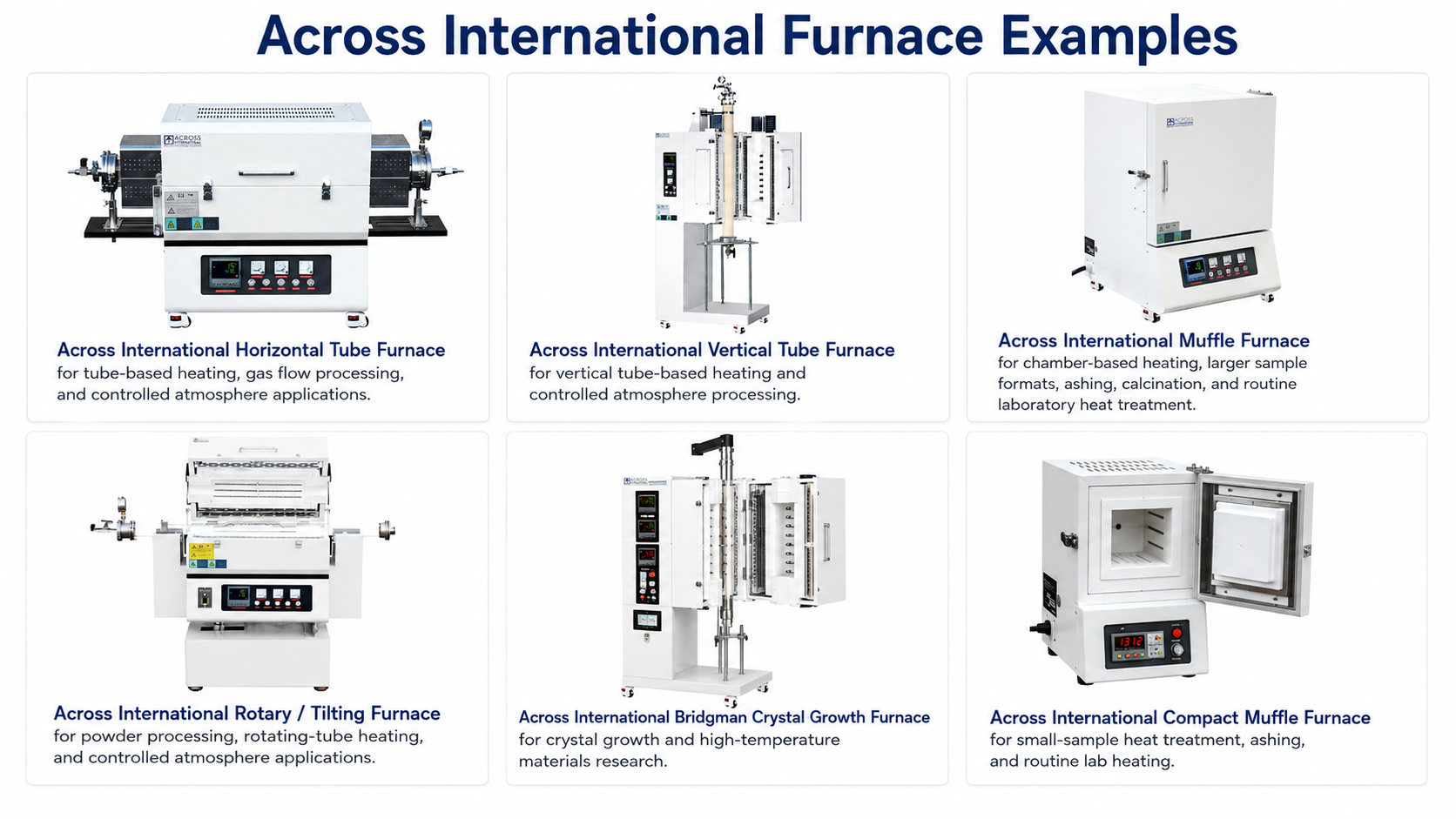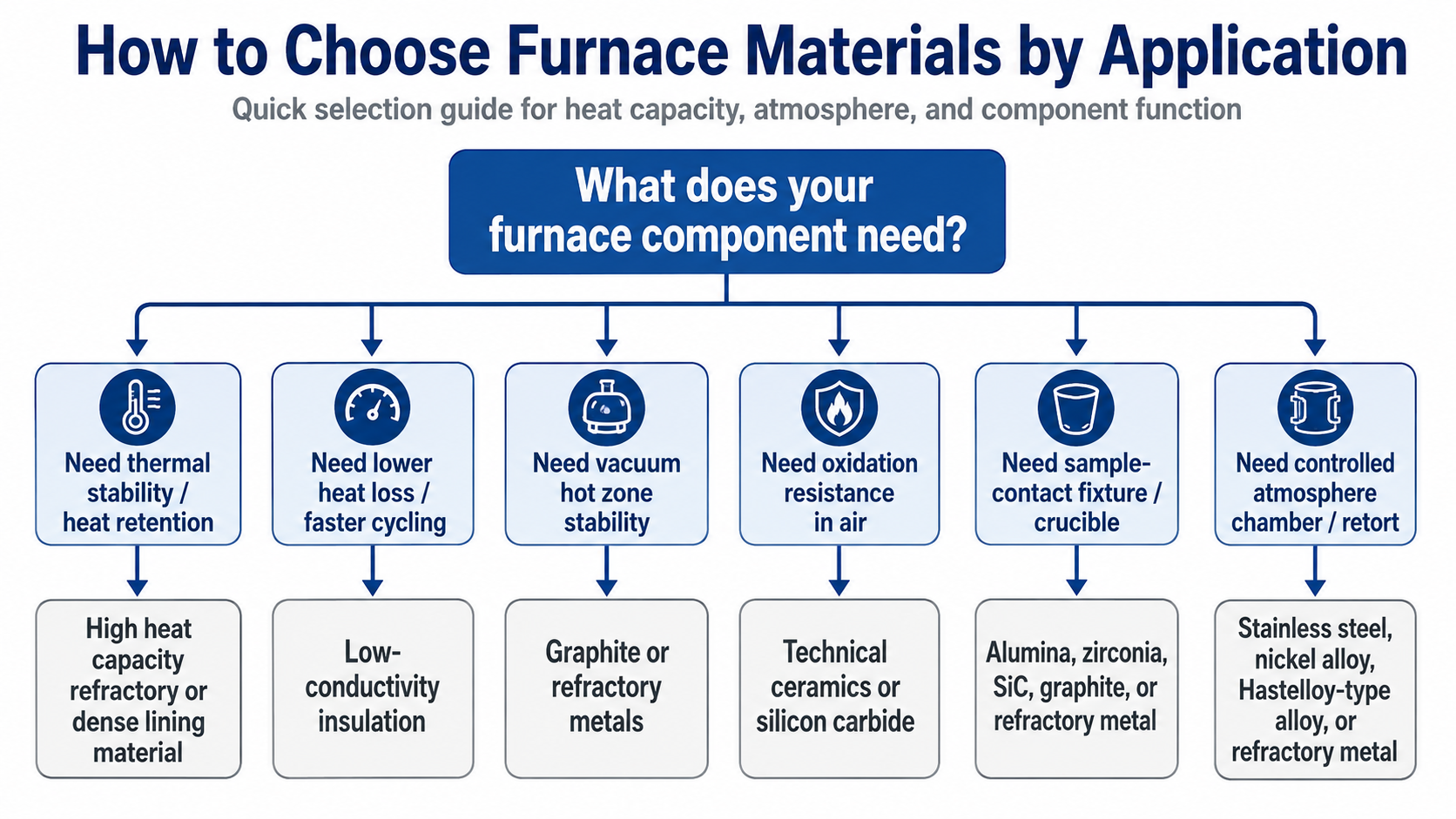


Laboratories learn to love cold traps for many reasons, from simple solvent recovery to help recycle chemicals for green initiatives and minimizing the need for costly waste removal, to reducing downtime changing oil and servicing pumps, if not avoiding a complete halt in operation of a critical vacuum system. Depending on how much vapor is in the system, solutions can range from a small, simple glass bottle to multi-stage condensation system, with different temperatures to handle recovery of multiple chemistries. Here, the correct questions when determining the best cold trap solution will be outlined, and a plethora of examples explained to provide solutions for most vacuum vapor dilemmas.
The Contamination Crisis: Pumps Contaminating Processes & Vice-Versa
The most common reason cold traps are installed… or that laboratory and plant managers find out the hard way they should have had one installed… is to protect valuable vacuum pump systems from condensable vapors produced upstream as part of a drying or distillation process, Schlenk line or even as a consequence of atmospheric water vapor condensation in a large industrial system. Oil vane pumps want to run on clean oil of a particular viscosity, and oil-free pumps long for just that: clean, frictionless vacuum, as close to their rated base vacuum pressure as possible… in an ideal world. Manufacturing, research and testing facilities operate in the real world, and so solutions must be engineered to overcome unideal circumstances.
The Solution: Cold Traps To Capture Condensable Vapors
Having a cold zone built into your vacuum system, designed specifically to trap solvents, waters, or whatever might be thrown at it, is not an optional accessory on your vacuum oven, freeze dryer, still or vacuum system; it is a critical component instrumental to the equipment’s success. Too often are cold traps offered as an optional upgrade, or dismissed as an unnecessary add-on, when they are essential to avoid liquid condensing in the vacuum pump, either diluting oil and thus increasing cost, maintenance labor and carbon footprint, or wearing unnecessarily at oil-free systems, each causing unnecessary down-time and hard-to-calculate hidden costs of ownership that can be avoided with the installation of a properly sized cold trap.
Properly Sized?
Rather than being a one-size-fits-all solution, cold trap selection must be calculated and designed like any distillation apparatus, or vaporization and recondensation of liquids, and so below are some important questions to ask when considering the best solution for your vacuum system:
1. What temperature is required of the cold trap to condense the vapors in the system? Or, alternatively, what are…
a. the chemistry(ies) of the vapor(s), to consider their vapor pressure(s)?
b.inlet temperature at which they will enter the trap?
c. Vacuum level / pressure the system will be under?
2. How much vapor needs to be condensed total per batch (mL, L, Gal, etc.) and/or vapor over time (mL/min, L/hr, Gal/hr, etc.)?
3. What material of cold trap is required for your chemistry: is…
a. 304 stainless steel or
b. 316L corrosion-resistant stainless steel acceptable?
c. Or do you require another material, such as 3.3 borosilicate glass?
d. Or another alloy for specific chemical resistance?
4. Any other considerations to keep in mind to select the best trap for the system?
5. Any specific budget, and existing infrastructure that may be able to be utilized, such as on-site chillers, cold process fluid, recirculating water, dry ice, liquid nitrogen, ice that may be mixed with HTF (heat transfer fluid), brine or other available resources?
Types Of Traps Available For Vacuum Solvent Recovery & Vapor Recondensation
Marrying the mechanical engineering of a heat exchanger with different refrigeration methods can produce perfect results, with a thick vapor plume entering the inlet, and a clean, serene vacuum path emerging from the outlet, or a critical failure due to clogging the trap with ice, or overloading the cold trap, that may have inadequate total holding volume, or cooling capacity, with too much vapor, making for a potentially expensive second equipment purchase.
Depending on the answers to the questions above, the optimal cooling technology and surface area interaction can be selected to accomplish the goal:
|
Refrigeration Method |
Temperatures Achievable |
Advantages |
Disadvantages |
|
Ice Brine |
-21°C |
Low cost, widely available |
Limited temperature depth, requires monitoring and frequent recharging |
|
Dry Ice |
-78°C |
High cooling power and low temperature at low cost |
Consumable subject to shortages, continuous consumable cost of ownership, cryogenic burn risk |
|
Liquid Nitrogen |
-196°C |
Extremely high cooling power and low temperature capability |
Oxygen condensation hazard, continuous consumable cost of ownership, cryogenic burn risk |
|
Built-In Mechanical Refrigeration |
-120°C depending on compressor system |
Most stable for unmonitored operation, compact and convenient for everyday use |
Combine risks of wetted material path and refrigeration system; if either fail, the cold trap must be serviced or replaced |
|
External Mechanical Refrigeration |
-120°C depending on compressor system |
Most stable for unmonitored operation, maintains autonomy of cold trap and refrigeration system so each can be used and serviced separately |
Typically highest cost initial investment and consume the largest footprint |
Selecting the correct refrigeration method for your cold trap can make all the difference between success and problems with persistent vapors, but the surface area interaction, vapor path, pumping speed and resulting residence time are also critical components of the equation. Below are some examples of heat exchanger and cold traps designs:
|
Heat Exchanger Design |
Advantages |
Disadvantages |
Examples |
|
Dewar / Cold Finger |
Simple design, for occasional use easy and low cost, compatible with dry ice solvent or ice brine slurries, as well as immersion coils combined with HTF |
Require either a consumable cooling slurry, or cooling coils paired with heat transfer fluid, some examples of cooling coils below: - PolyScience IP-60 -60°C Cooler with 1.5" Rigid Coil Probe - 120V |
1L collection volume: |
|
Coil or Dimroth Condenser |
Compact and effective at maximizing surface area in research to pilot scale applications |
Limited scalability and unsuitable for high-pressure applications |
1L collection volume: |
|
Plate Heat Exchanger |
High heat transfer efficiency provided by large surface area |
Limited capacity for heavy duty heat loads and reliance on elastomer gaskets for vacuum sealing |
4.6L overall volume: |
|
Shell-And-Tube Heat Exchanger |
Durable, scalable, suitable for high pressure applications and able to deliver high heat transfer capacity |
Larger, higher cost, weight, and can be lower heat transfer efficiency per volume than plate heat exchangers as one example, depending on system design |
50L collection volume: |
Cold Traps Cannot Catch Everything
It is important to note that powder and dust management is another discussion altogether, as is non-condensable gases like hydrocarbons and hydrogen. While cold traps may to some degree capture dust, they can also become clogged or negatively affected by the presence of solids, and this can sometimes be resolved with something as simple as a sintered filter O-ring (but these can greatly reduce conductance and effective pumping speed performance), or an Inlet Dust Trap with a rechargeable filter element. Likewise, gases can sometimes be managed with an Inlet Chemical Trap, and in other cases require an igniter or other specialized exhaust handling. It is always wise to consult an authority on the subject, and your AHJ Authority Having Jurisdiction for the required and recommended solutions.
Expertise The Industry Can Rely On
Whether a lab manager in an academic research laboratory, or plant manager overseeing a fleet of industrial production facilities, Across International’s technical specialists and in-house engineering are here to help tackle your solvent recovery and resource reclamation, as well as help optimize with the best vacuum pump and control technologies.
Contact your account manager for the best cold trap for your condensation needs:
888-988-0899