
How To Make Them & The Equipment Required: Metals Edition
The 3D printing revolution has completely transformed modern manufacturing as we know it; rapid prototyping is possible with relatively accessible & low-cost tools, reducing barrier of entry to start-ups and innovators, while offering industrial leaders the simultaneous opportunity and challenge of scaling. The appeals of sustainability, design dexterity and the ability to design and execute complex, challenging geometries must be balanced with the high cost initial investment of the more sophisticated printing equipment required for production-scale speed and advanced performance materials fabrication, and ensuring seamless operation with high quality input precursor materials and proper operation to avoid issues that often make traditional reductive manufacturing simpler, and at the end, lower cost anyway despite its inherent wastefulness.
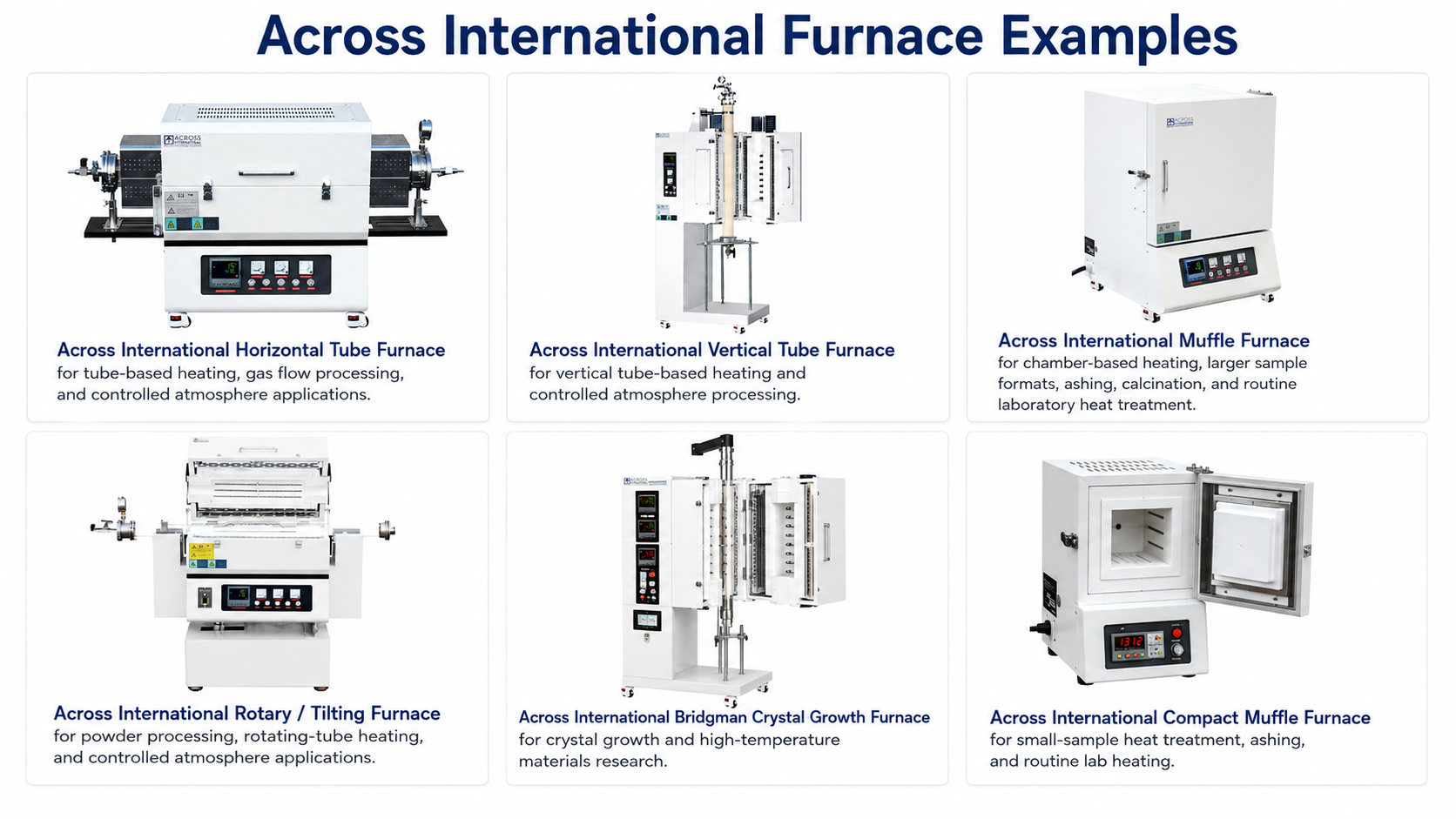
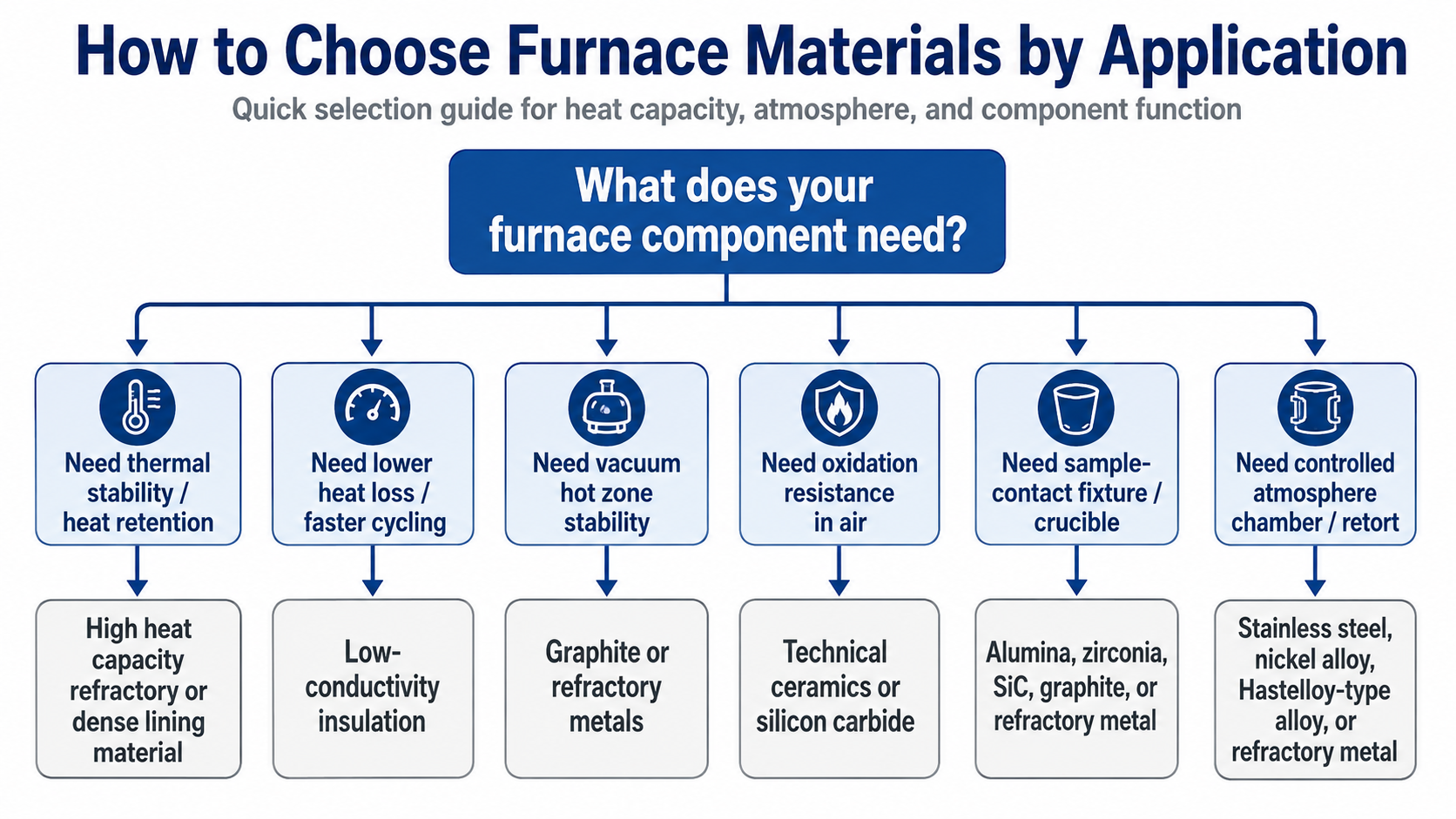
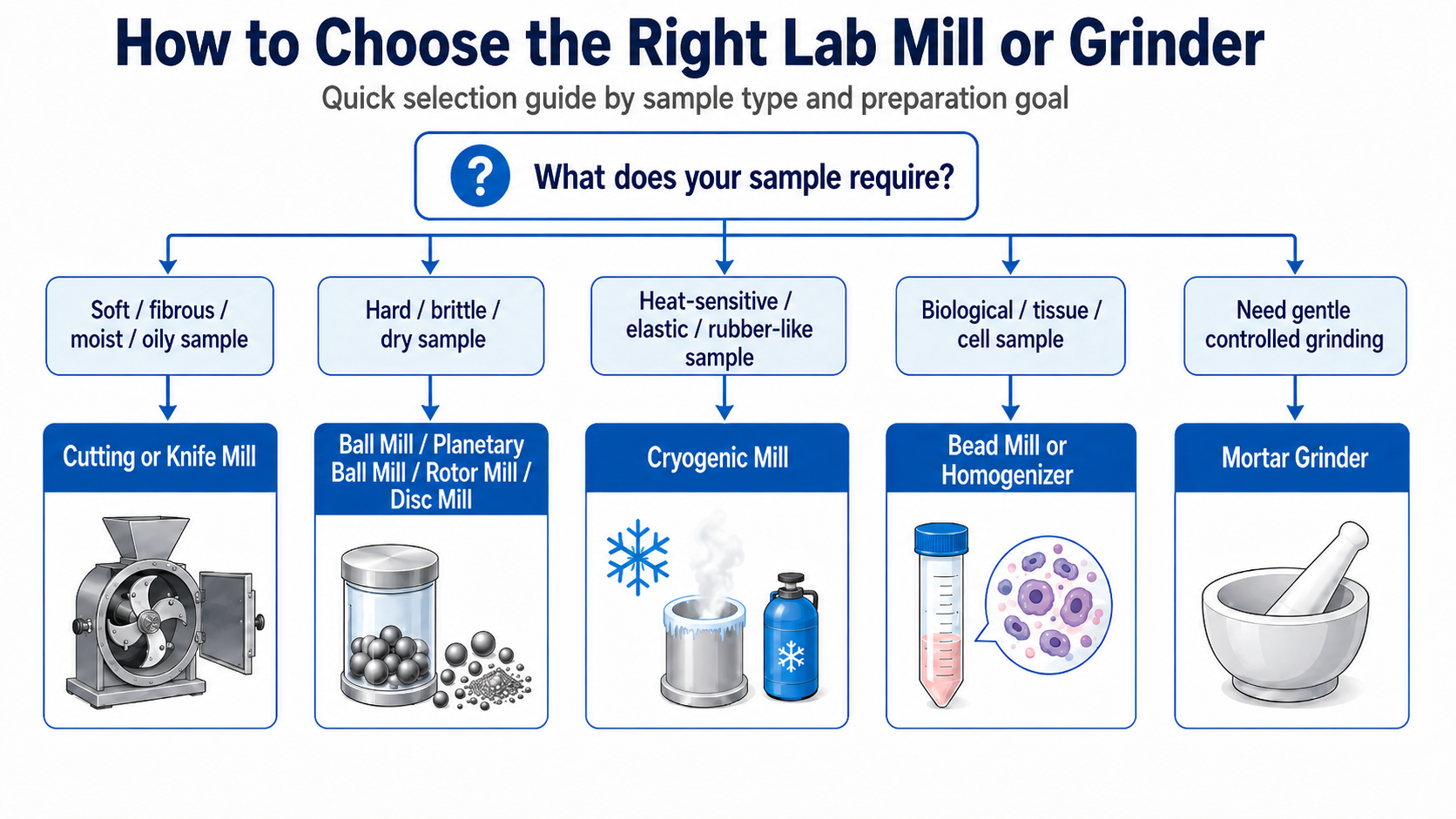
As a general rule, additive manufacturing employs powders with a controlled particle size distribution, morphology, low oxygen and moisture content, which all contribute to powder flow and printing consistency performance. These properties may be achieved using controlled thermal processing and materials conditioning, which requires selecting the right Furnaces, Heat Treatment and Grinding as much as the correct printing technology.
In this Metals Edition of our 3D Printing Powders Preparation series, we will list some of the most widely used materials being employed, the equipment and processes required for manufacturing and preparation of each!
Material Preparation For High Quality 3D Printing Precursors
A Bird’s-Eye View Comparison Of Common Metal Powder For Additive Manufacturing
|
Metal |
Typical AM Process |
Powder Size |
Preparation Methodology |
|
Stainless Steel |
L-PBF, DED, Binder Jetting, |
15–45 µm (L-PBF), |
Gas Atomization |
|
Aluminum |
L-PBF |
20–60 µm (L-PBF) |
Gas Atomization |
|
Titanium |
EBM, L-PBF |
15–45 µm (PBF) |
Gas or Plasma Atomization |
|
Nickel Alloys |
L-PBF |
15–45 µm (PBF) |
Gas Atomization |
|
Copper |
L-PBF, DED, Binder Jetting |
15-45 µm |
Gas or Plasma Atomization |
|
Cobalt-Chromium |
L-PBF, EBM, Binder Jetting |
10-45 µm (L-PBF), |
Gas Atomization |
1. Stainless Steel Powders (304L, 316L, 17-4PH)
Examples of commercial applications:
Aerospace brackets, medical devices, tooling inserts, and structural components, as well as any applications where their strength, wear and corrosion resistance.
Stainless Steel Powder Preparation:
Stainless steel powders for additive manufacturing are most commonly produced using gas atomization:
1. High-purity steel alloy is prepared and melted under inert gas, followed by gas atomization.
2. During casting, the molten metal stream is broken into fine droplets using high-pressure inert gas jets.
3. During atomization, the molten metal stream is disrupted and disintegrated by the inert gas jets, and droplets solidify mid-flight into spherical particles.
4. Atomized powder particles are sieved to controlled particle size ranges (commonly 15–45 µm or 45–106 µm depending on the requirement).
5. Further Heat Treatment may be required for stress relief to achieve the final target characteristics.
2. Aluminum Alloys (AlSi10Mg, AlSi7Mg, 6061, 7075)
Examples of commercial applications:
Lightweight aerospace structures, automotive components, heat exchangers, electronic components and applications that require swift temperature dissipation.
Aluminum Powder Preparation:
Aluminum powders are similarly produced primarily by gas atomization, but require stricter oxygen control due to aluminum’s high reactivity.
1. Alloy melting in an inert gas or Vacuum.
2. Gas atomization to form spherical powder optimal for printing.
3. Powder separation, classification and Drying.
4. Heat Treatment or stress relief to stabilize the newly produced aluminum powder’s properties.
3. Nickel-Based Superalloys (Inconel 718, Inconel 625)
Examples of commercial applications:
Performance components including jet engine parts, turbine blades, energy sector components, or situations that may take advantage of their performance at high temperatures, excellent chemical and oxidation resistance
Nickel Powder Preparation:
1. Vacuum Induction Melting of alloy constituents.
2. Gas atomization under inert atmosphere.
3. Powder screening and classification.
4. Heat Treatment for stress-relief, phase stabilization or homogenization for final material preparation. Experimental alloy development may involve Grinding of samples in preparation for further processing.
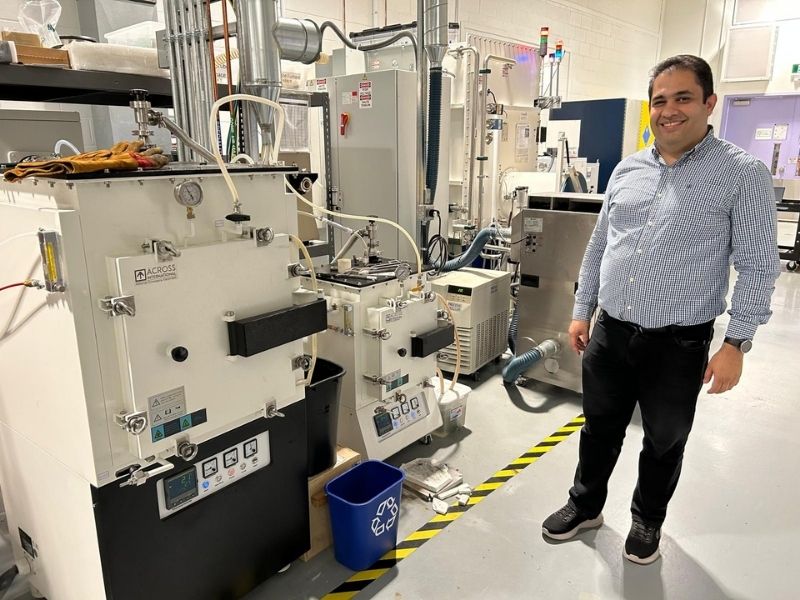
“Dr. Saeed Maleksaeedi, Assistant Professor at the UWaterloo Institute For Sustainable Aeronautics, demonstrating how he uses his Across International GCF Series Controlled Atmosphere Furnaces for precise de-binding and sintering applications in the Multi-Scale Additive Manufacturing (MSAM) Lab. "These are the two most used pieces of equipment in this laboratory”
4. Titanium Alloys (Ti-6Al-4V, TA1)
Examples of commercial applications:
Medical applications such as instruments and implants, aerospace components, lightweight structural parts, as well as circumstances that require compatibility with high temperature, biology or corrosive chemistries.
Titanium Powder Preparation:
Titanium powders are commonly produced via plasma atomization or plasma rotating electrode processing (PREP), and require strict oxygen and nitrogen control during production because contamination can degrade mechanical properties.
1. Vacuum Melting of titanium alloy.
2. Plasma or gas atomization to produce the spherical particles.
3. Powder classification and passivation.
4. Microstructure control via Heat Treatment
5. Copper-Based Powders (Pure Copper, CuSn10, CuCrZr)
Examples of commercial applications:
Heat exchangers, induction coils, electrical, automotive, aerospace and industrial components, and other manufactured goods that require good thermal and electrical conduction.
Copper Powder preparation
Copper powders present unique challenges because of their high reflectivity and thermal conductivity, which affect laser absorption during printing.
1.Inert Gas Atmosphere or Vacuum Melting of copper alloy.
2.Gas atomization to create spherical powder.
3.Powder classification by size either with a sieve or air classification.
4.Optional surface modification or Heat Treatment for alloy adjustments
6. Cobalt-Chromium Alloys (CoCrMo, CoCrW)
Examples of commercial applications:
Orthopedic implants, dental prosthetics and high-wear components, as well as applications that require good biocompatibility, corrosion resistance, strength and fatigue resistance, even at high temperatures.
Cobalt-Chromium Powder preparation
These powders are produced via gas atomization to achieve spherical particles with controlled Flow properties.
1. Vacuum melting of cobalt-chromium alloy after precursor preparation.
2. Gas atomization, which generated spherical particles ideal for good flow critical for powder bed fusion.
3. Powder classification.
4. Heat Treatment to control phase structure.
Why Powder Quality Matters in Additive Manufacturing
Regardless of the alloy composition, successful additive manufacturing requires powders with:
- Controlled particle size distribution
- Spherical particle morphology
- Low oxygen, moisture and impurity content
- Excellent flow characteristics
Ensuring your input materials have these properties helps deliver stable powder spreading and consistent energy absorption during laser or electron beam melting processes critical to the additive manufacturing industry.
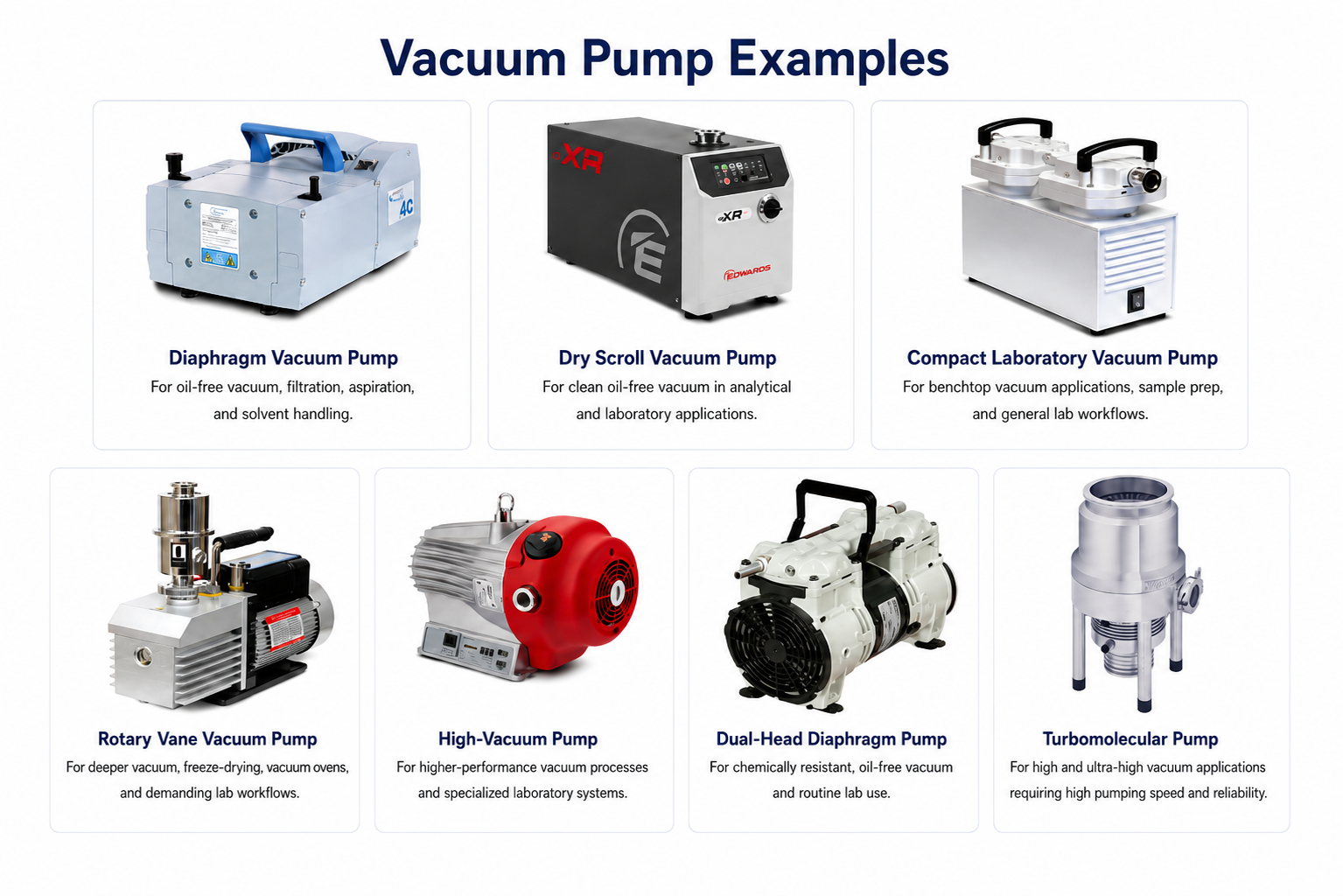
In the case of binder jetting, which has seen proliferation in the steel, titanium, nickel, cobalt-chromium and copper markets, after the print, a controlled temperature ramp in a Vacuum De-Binding or Degreasing Sintering Furnace is required to remove volatile organic compounds (VOCs), any moisture picked up during the process, and higher temperature binders that burn-off, & then often employ a Vacuum Cold Trap system to capture the vaporized elements. This step is not required in the case of laser powder bed fusion.
While current additive manufacturing conventions are unable to completely replace more wasteful reductive production methods, it has proven critical for performance materials development such as titanium, nickel and steel alloys critical to industries including aerospace, automotive and electronics. With the waxing importance of these growing sectors, and the parts that power them, industry leaders are designing the next generation of printers, heat treatment and material processing equipment to increase ROI and improve efficiency.
Your Allies In Additive Manufacturing, Material & Powder Preparation
Whether it is a ball mill or mixer for material preparation, vacuum induction melting or sintering system, Across International is happy to be your production partner, providing reliable equipment & instrumentation to help optimize your manufacturing!
Contact us for your furnace, ball mill, induction heater, chiller, vacuum pump or any equipment needs:
888-988-0899
www.acrossinternational.com