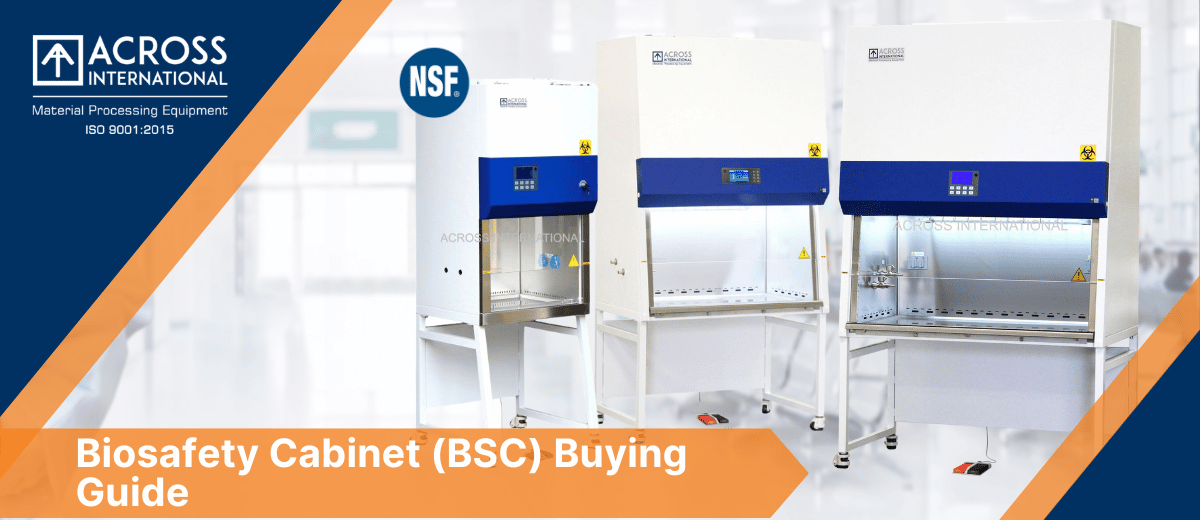
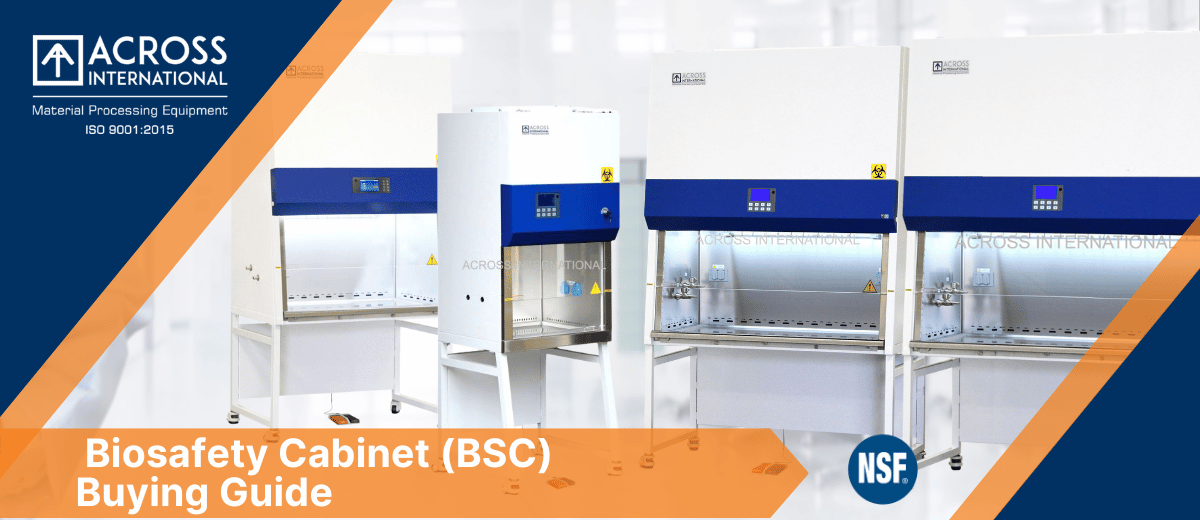
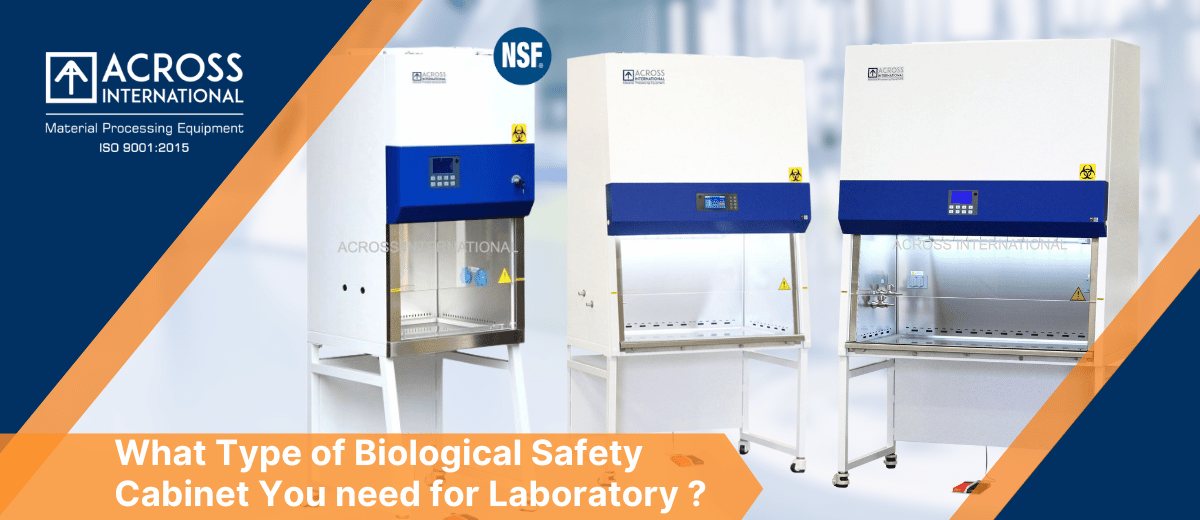
Biological safety cabinets must be certified annually for all areas working with materials categorized as biosafety level two (BSL2) and higher. Laboratories working at biosafety level one (BSL1) are strongly encouraged to certify their cabinets annually
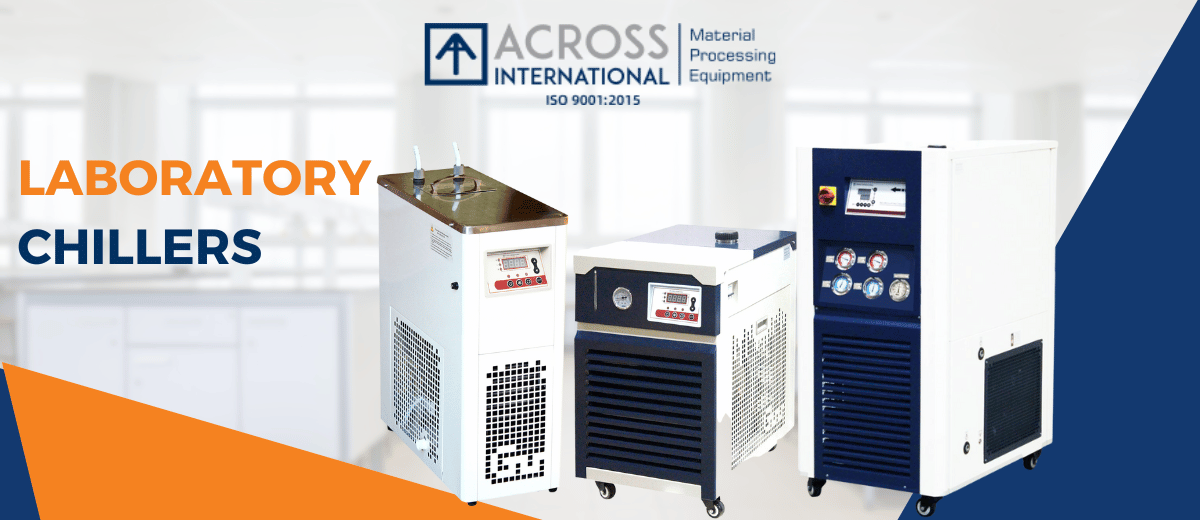
The evolution of the laboratory chiller is a fascinating tale of innovation that has transformed the scientific landscape. From humble beginnings with ice baths and manual cooling techniques, laboratory chillers have become indispensable tools in modern
The most common industrial fastener materials include three major groups of steel – carbon steel, stainless steel, and alloy steel. Aluminum, titanium, and various (nickel, brass, etc.) alloys are also used for the manufacturing of metal fasteners. Different
Silicon carbide, also known as SiC, is a semiconductor base material that consists of pure silicon and pure carbon. You can dope SiC with nitrogen or phosphorus to form an n-type semiconductor or dope it with beryllium, boron, aluminum, or gallium
Between regular maintenance and repairs, having a good instrumentation partner available to help can be critical to meeting deadlines and minimizing downtime. Across International now offers a service of laboratory refrigerator repair and ultra-low freezer
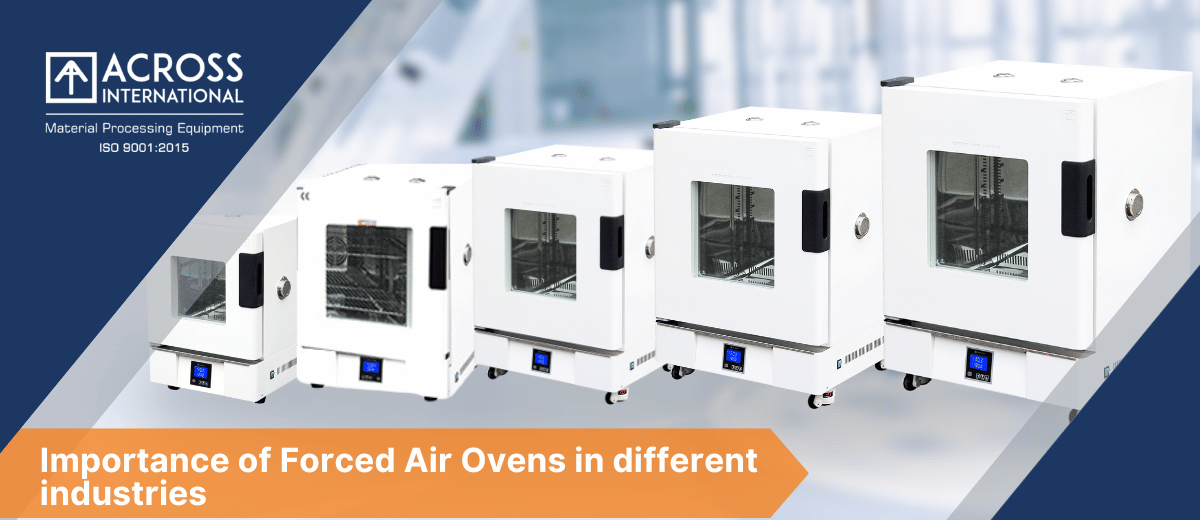
For many laboratory owners seeking to effectively dry their samples, forced air ovens have become a popular option. Forced air ovens, which have forced, blower-assisted ventilation designs, provide better temperature consistency and quick heat recovery
Most laboratory equipment performs an active function. For example, a centrifuge separates liquids, and CO2 incubators grow tissue cultures. In comparison, role of a biosafety cabinet, while critical, might seem passive.
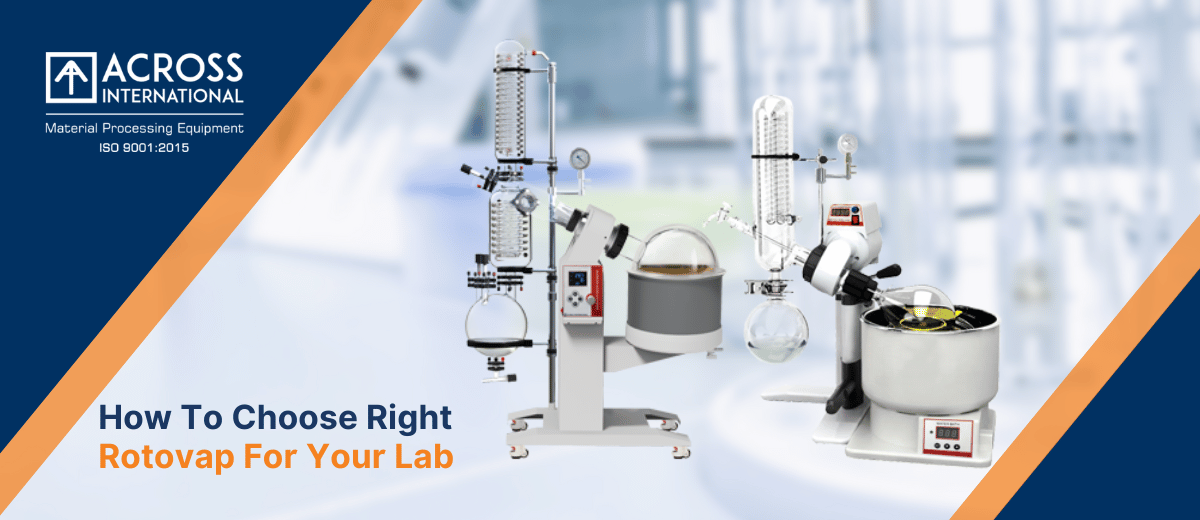
Rotary evaporation is the process of reducing the volume of a solvent by distributing it as a thin film across the interior of a vessel at elevated temperature and reduced pressure. This promotes the rapid removal of excess solvent from less volatile
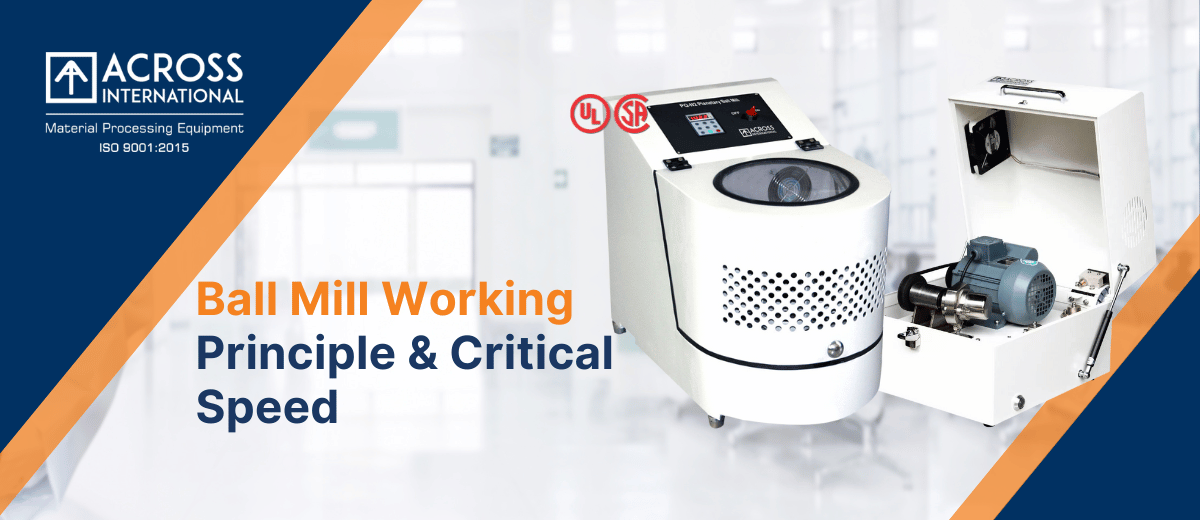
When most people think of milling machines, they envision a vertically oriented machine that contains rotary cutters. Traditional milling machines such as this are used extensively in the manufacturing industry to reshape workpieces. However, there are
Biological Safety Cabinet or biosafety cabinets are enclosed, equipped with high efficiency particulate air (HEPA) filters, engineering control intended to protect laboratory workers, the laboratory environment . Biosafety Cabinet is primarily used
We use cookies to make your experience better.To comply with the new e-Privacy directive, we need to ask for your consent to set the cookies.Privacy Policy.