
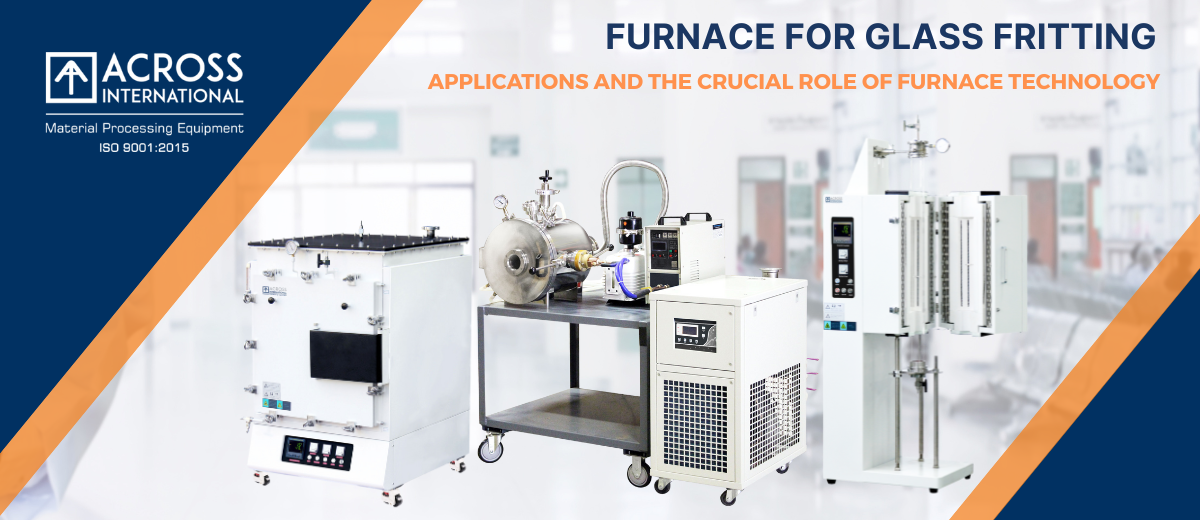
Applications and the Crucial Role of Furnace Technology
Fritted glass is a unique architectural and industrial material that brings together aesthetics, functionality, and safety. From skyscraper facades to laboratory workspaces, this type of glass plays an essential role in modern construction and design. But beyond its appearance and uses, the quality of fritted glass depends heavily on one critical element: the furnace in which it is made.
What is Fritted Glass?
Fritted glass is glass that has been treated with ceramic-based paints or enamel patterns, commonly referred to as frits. These patterns are typically applied via screen printing or digital printing, then fused onto the glass surface by heating it in a tempering furnace or laminating oven. Once heated to high temperatures, the frit melts and becomes permanently bonded to the glass surface.
The result? A durable, decorative surface that can offer a variety of benefits, from glare reduction and thermal control to privacy and branding.
Applications of Fritted Glass
Fritted glass is widely used in several sectors thanks to its versatility:
1. Architectural Design
- Curtain walls and facades: Frit patterns reduce solar gain while enhancing visual appeal.
- Interior partitions and staircases: Fritting adds texture, improves safety, and allows for creative expression.
- Skylights and canopies: Offers light diffusion and protection from UV radiation.
2. Transportation
- Automotive glass: Applied for aesthetics, shading, and even aiding with adhesive bonding in windows.
- Rail and aviation: Used in cabins and control areas to combine visibility with privacy.
3. Laboratories and Clean Rooms
- Fritted glass used in these environments often includes patterns that obscure visibility while allowing light transmission — a balance of functionality and privacy.
4. Commercial Branding
- Logos and designs can be printed directly onto glass surfaces to reinforce branding in corporate spaces and retail locations.
Process to Manufacture Fritted Glass Using a Furnace
1. Glass Preparation
- Select the glass substrate (usually float glass, clear or tinted).
- Clean the glass surface thoroughly to remove dust, oil, or particles. This ensures the ceramic frit adheres properly.
2. Frit Application
- Apply ceramic frit ink (a mix of ground glass particles and pigments) onto the glass using one of the following:
- Screen printing – most common, ideal for repeating patterns.
- Digital printing – good for custom designs and high resolution.
- Roller coating or spraying – for full or partial coverage.
3. Drying the Frit
- The printed glass is passed through a drying oven at a moderate temperature (~150–250°C) to evaporate solvents and fix the frit temporarily to the surface.
4. Firing / Fusing in the Furnace
This is the most critical stage, where ceramic frit is permanently fused to the glass.
Types of Furnaces Used:
- Tempering Furnace – For fritted tempered glass (adds strength & safety)
- Laminating Furnace – Used if the fritted glass will be laminated afterward
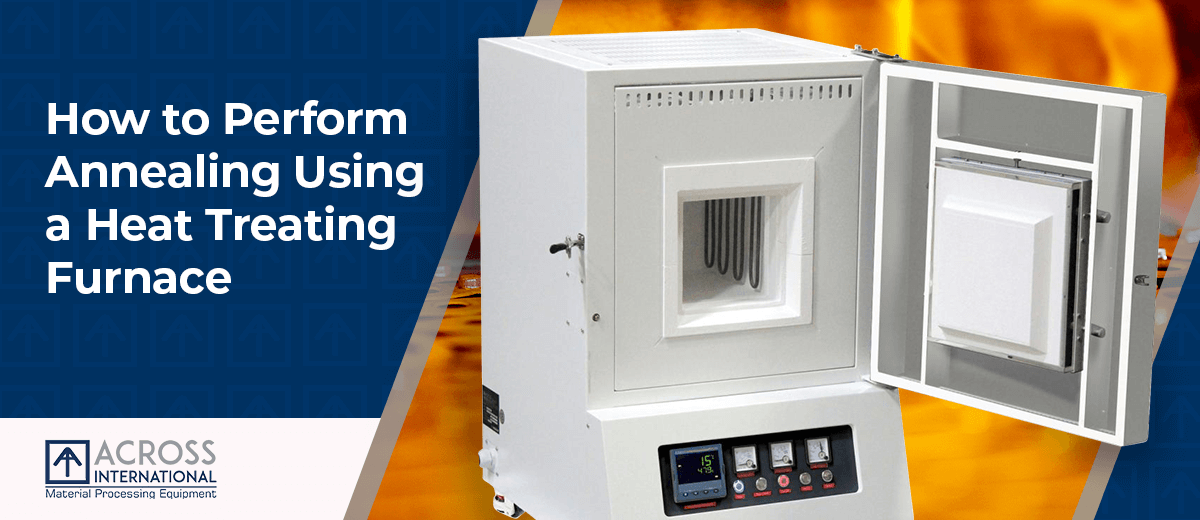
- Annealing Lehr – For non-tempered applications (e.g., decorative panels)
Furnace Parameters:
- Temperature: ~600–700°C (1110–1290°F), depending on the frit composition.
- Heating Time: A few minutes of soak time to ensure frit melting and bonding.
- Convection Heating (preferred): Provides uniform temperature and avoids burning the frit pattern.
- Cooling: Carefully controlled to either:
- Quench rapidly (tempering)
- Cool slowly (annealing)
5. Post-Processing (Optional)
Depending on the end application:
- Tempering: For safety glazing.
- Laminating: For acoustic, security, or UV control.
- Cutting / Edge finishing: After tempering, glass cannot be cut, so it's done beforehand.
Key Considerations for the Furnace in Fritted Glass Manufacturing
The furnace is the heart of the fritted glass production process. It doesn’t just heat the glass—it determines the quality, consistency, and durability of the final product. Below are the key furnace features and considerations that directly impact the success of fritted glass manufacturing:
|
Furnace Feature |
Why It Matters |
|
Uniform Temperature Distribution |
Ensures consistent frit fusion across the glass surface; prevents color shifts, uneven melting, and pattern distortion. |
|
Convection Heating System |
Delivers even heating, especially critical for printed glass; minimizes risk of burning and ensures accurate pattern retention. |
|
Precise Temperature & Zone Control |
Allows customized heating profiles for various frit types and glass sizes; essential for consistent, high-quality results. |
|
Fast & Controlled Heating/Cooling |
Supports efficient production; rapid cooling for tempered glass, controlled cooling for annealed applications. |
|
Glass Size & Load Handling Capacity |
Accommodates large panels or multiple sheets; wide furnace beds and stable roller systems prevent handling damage. |
|
Energy Efficiency |
Reduces operating costs through better insulation, optimized airflow, and heat recovery systems. |
|
Programmable Logic Controllers (PLCs) |
Enables automation, precise adjustments, and consistent quality with minimal manual intervention. |
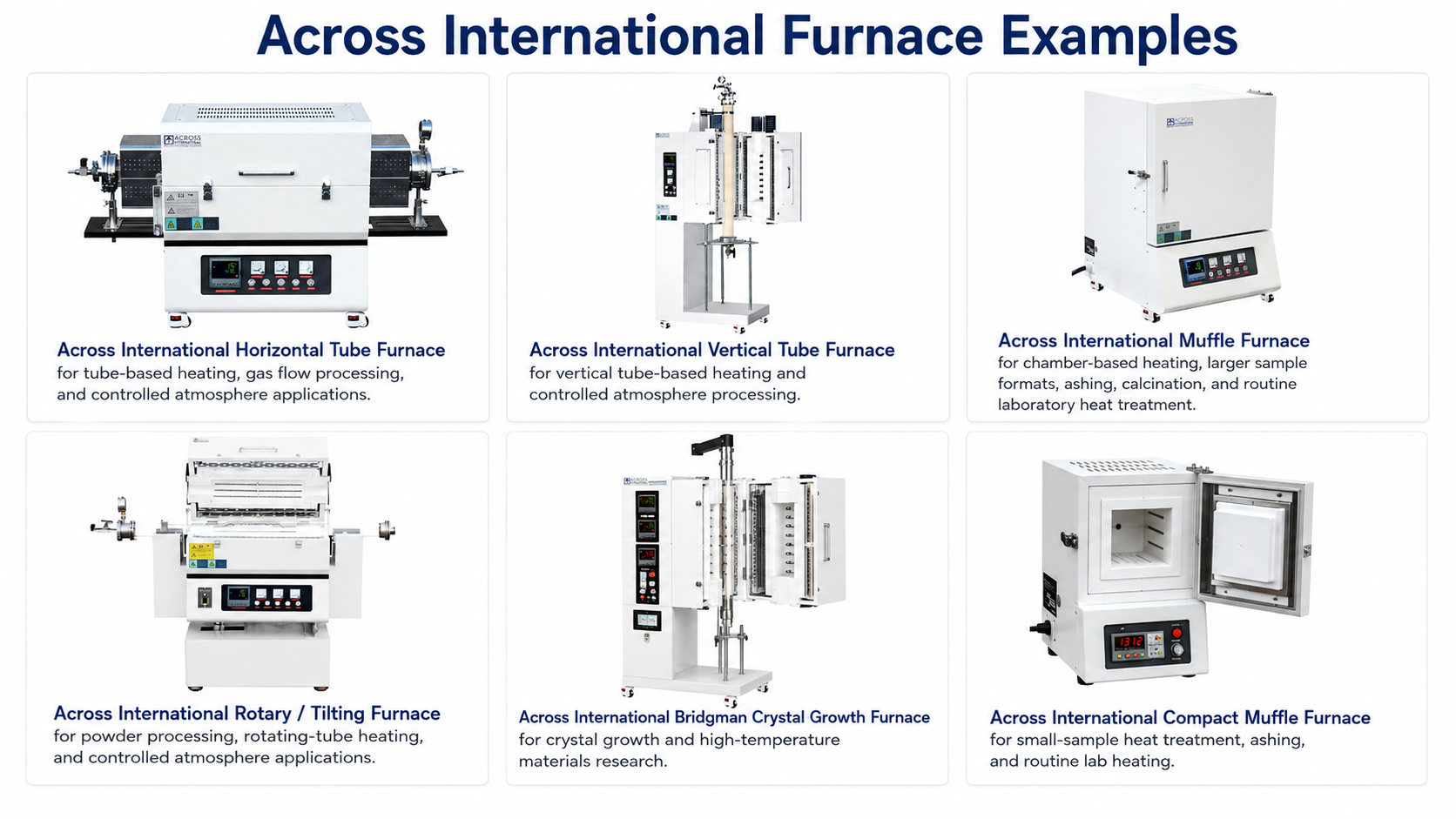
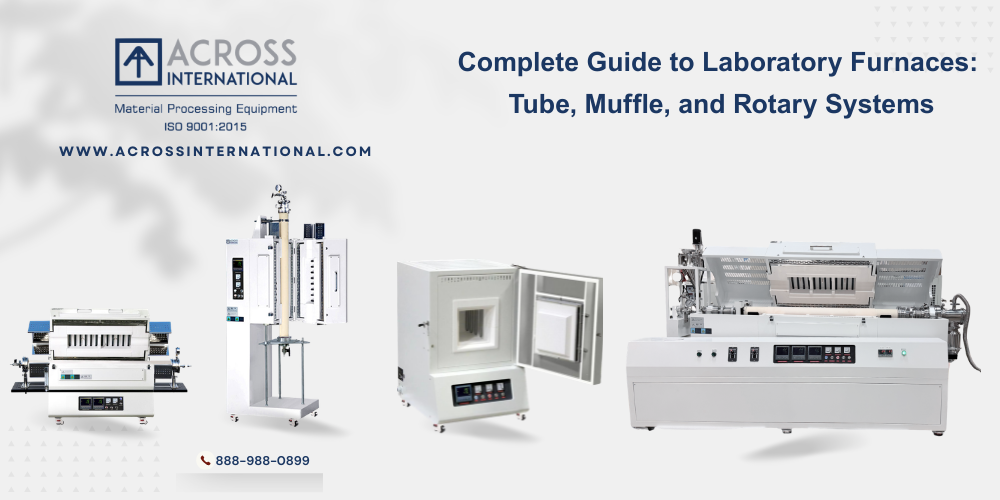
Across International Furnaces for Fritted Glass Manufacturing
|
Furnace Type |
Key Features |
Why It’s Useful for Fritted Glass (Especially in R&D, Prototyping, or Specialty Production) |
|
|
|
|
|
|
|
|