
Why Hastelloy Is Used in Controlled Atmosphere Furnaces
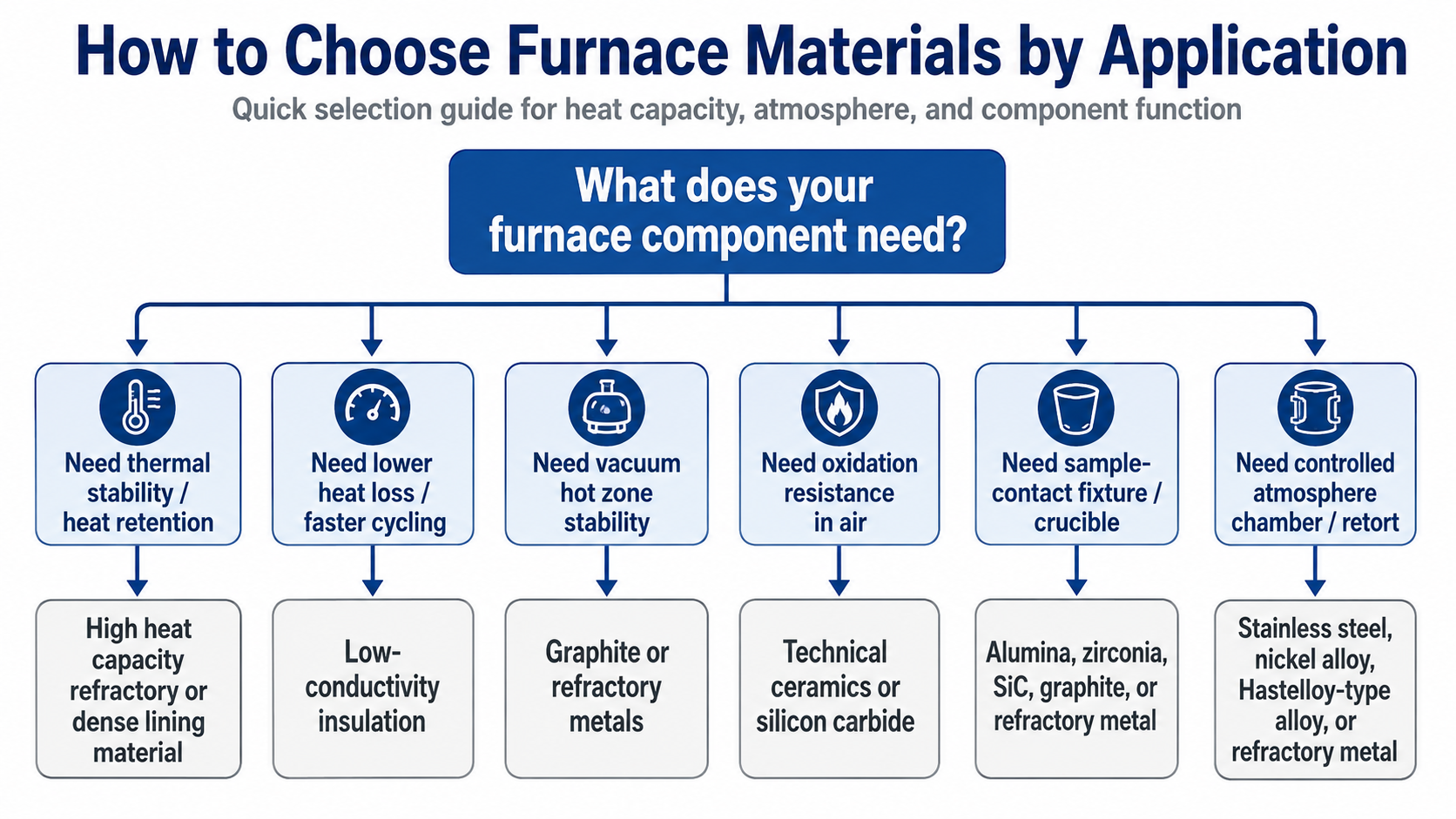
A Hastelloy chamber plays a vital role in the performance and reliability of a controlled atmosphere furnace, especially in demanding industrial environments. As a high-performance nickel-chromium-molybdenum alloy (e.g., C-22, C-276), Hastelloy offers exceptional resistance to corrosion, high temperatures, and chemical attack, making it ideal for processes involving aggressive atmospheres and high thermal loads.
Below is a breakdown of the key advantages of using a Hastelloy chamber in such furnaces:
1. Exceptional Corrosion Resistance
Controlled atmosphere furnaces often use reactive gases such as hydrogen, ammonia, and chlorinated compounds. In these environments, ordinary materials may degrade rapidly.
- Hastelloy resists oxidation, chloride-induced corrosion, and acidic gas attack far better than standard stainless steel.
- This protects the chamber from pitting, cracking, and metal dusting, thereby maintaining the purity of the furnace atmosphere and the integrity of the product.
2. Chemical Compatibility with Reactive Gases
Processes like reduction, carburizing, and nitriding can chemically attack most metal surfaces. Hastelloy, however, offers excellent chemical stability.
- Inert to most furnace gases, it prevents unwanted reactions.
- Helps preserve gas purity.
- Reduces the risk of product contamination.
- Extends chamber lifespan, especially in chemically aggressive environments.
3. High-Temperature Strength and Thermal Stability
Controlled atmosphere furnaces often operate at temperatures exceeding 1000°C (1830°F).
- Hastelloy maintains mechanical strength and resists creep deformation under prolonged thermal stress.
- Ensures the chamber retains its structural integrity, preventing warping or leakage over time.
4. Thermal Cycling Resistance
Industrial heating processes often involve frequent temperature fluctuations. Many materials fail under repeated thermal cycling due to fatigue and cracking.
- Hastelloy's thermal toughness and oxidation resistance enable it to withstand repeated heating and cooling without scaling or failure.
- Ideal for applications requiring consistent performance through long operation cycles.
5. Durability and Extended Service Life
The combined effects of corrosion resistance, temperature resilience, and chemical inertness result in significantly enhanced chamber longevity.
- Minimizes the need for frequent maintenance or component replacement.
- Reduces unplanned downtime and improves operational efficiency.
- Especially valuable in high-cost, high-precision environments such as:
- Aerospace material processing
- Nuclear and chemical industries
- Semiconductor manufacturing
6. Versatility
Muffle furnaces equipped with Hastelloy chambers are extremely versatile, making them suitable for a wide range of applications, including:
- Sintering
- Ashing
- Heat treatment
- Materials research
Their ability to handle diverse processes while maintaining stability makes them a preferred choice in laboratories, production facilities, and R&D centers.
7. Precision and Accuracy
Hastelloy chambers ensure uniform heating throughout the furnace interior, which is critical for:
- Precise temperature control
- Accurate thermal treatment of materials
- Consistent processing outcomes
This high level of accuracy is especially important in processes where tight tolerances and material integrity are non-negotiable.
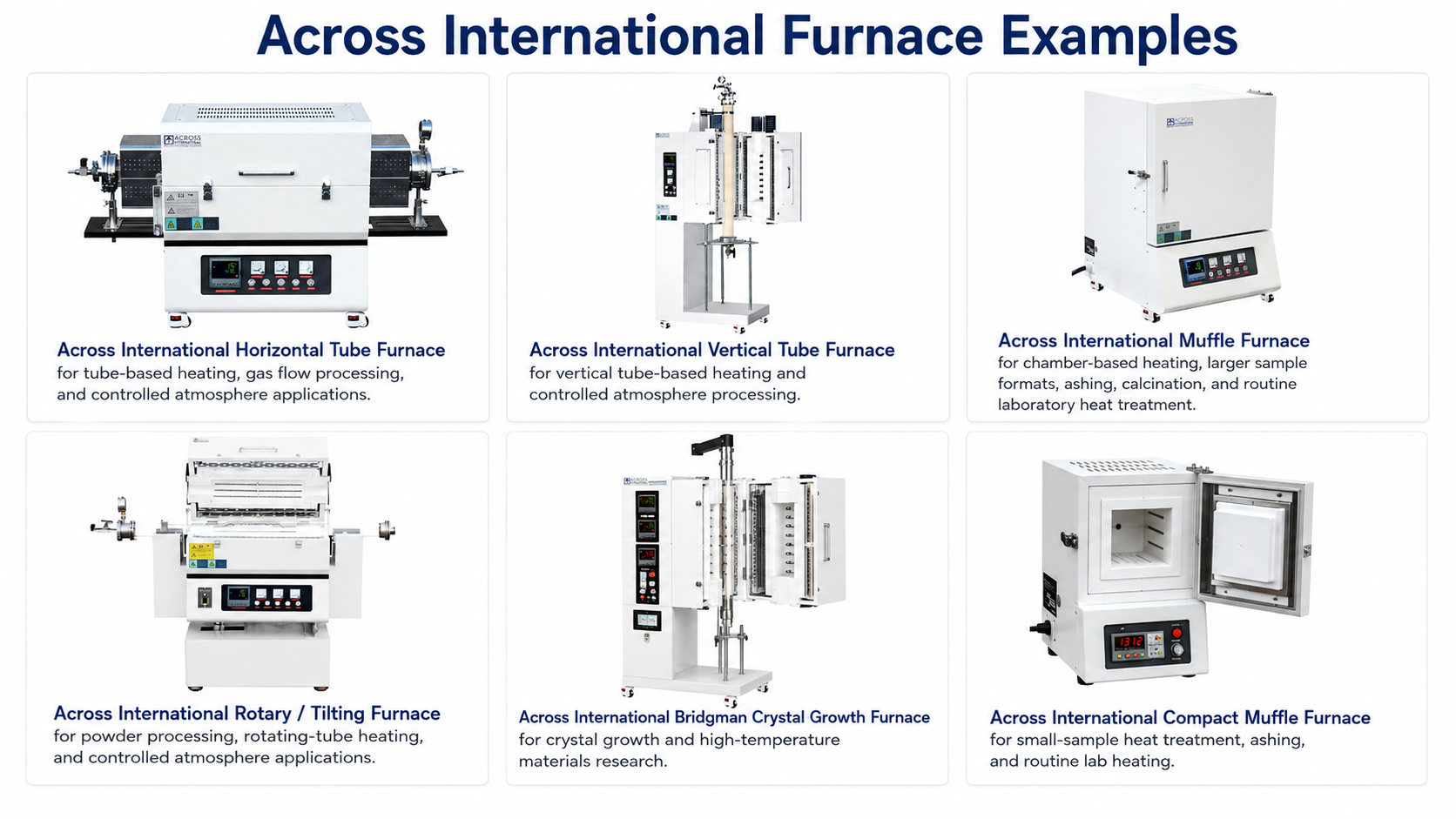
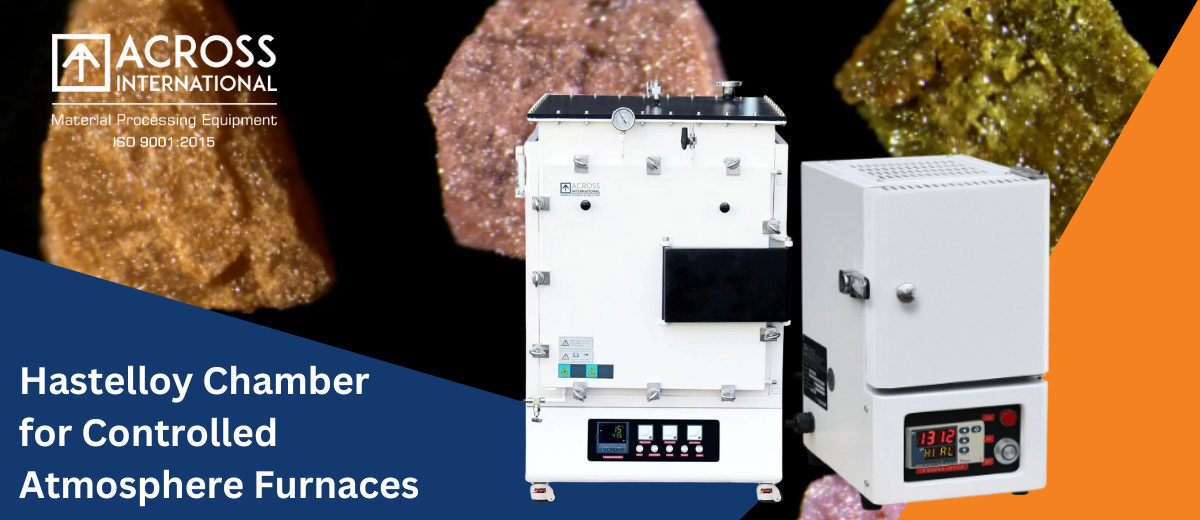
Across International offers a range of controlled atmosphere muffle furnaces, inquiry the different options for controlled atmosphere furnaces with Hastelloy chambers.
Hastelloy vs. Stainless Steel for Furnace Heat Treatment
|
Property / Feature |
Hastelloy |
Stainless Steel |
|
Corrosion Resistance |
Excellent in highly corrosive and acidic environments |
Good, but limited in highly aggressive atmospheres |
|
Oxidation Resistance |
Superior, especially at high temperatures |
Good up to ~1000–1100°C |
|
High-Temperature Strength |
Excellent – resists creep and deformation |
Moderate – degrades more quickly at very high temps |
|
Thermal Cycling Resistance |
Outstanding – high fatigue resistance |
Fair – more prone to thermal fatigue over time |
|
Chemical Compatibility |
Stable in reducing, oxidizing, and halide atmospheres |
Susceptible to some gas-metal reactions |
|
Gas Purity Preservation |
High – does not react with furnace gases |
Lower – potential for minor contamination |
|
Service Life / Durability |
Long – ideal for aggressive conditions |
Moderate – shorter lifespan in harsh conditions |
|
Cost |
High – premium alloy |
Lower – more economical for standard use |
|
Versatility (Applications) |
Ideal for extreme conditions, high-purity needs |
Suitable for general-purpose heat treatment |
|
Precision & Uniform Heating |
Excellent – uniform chamber heating |
Good – adequate for less demanding processes |