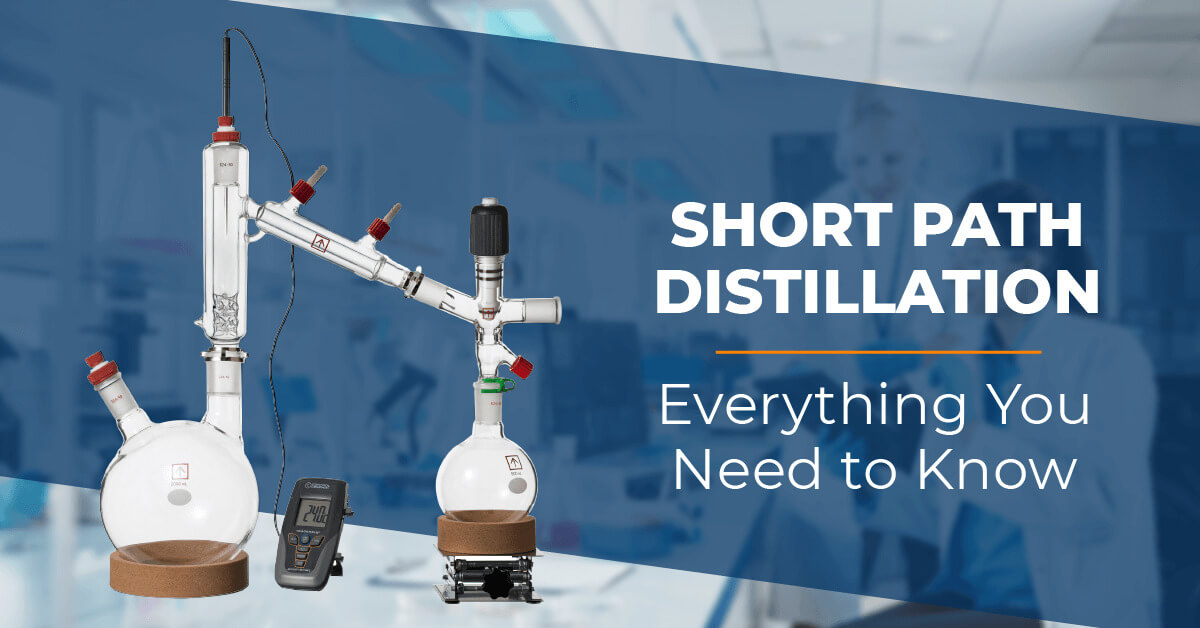

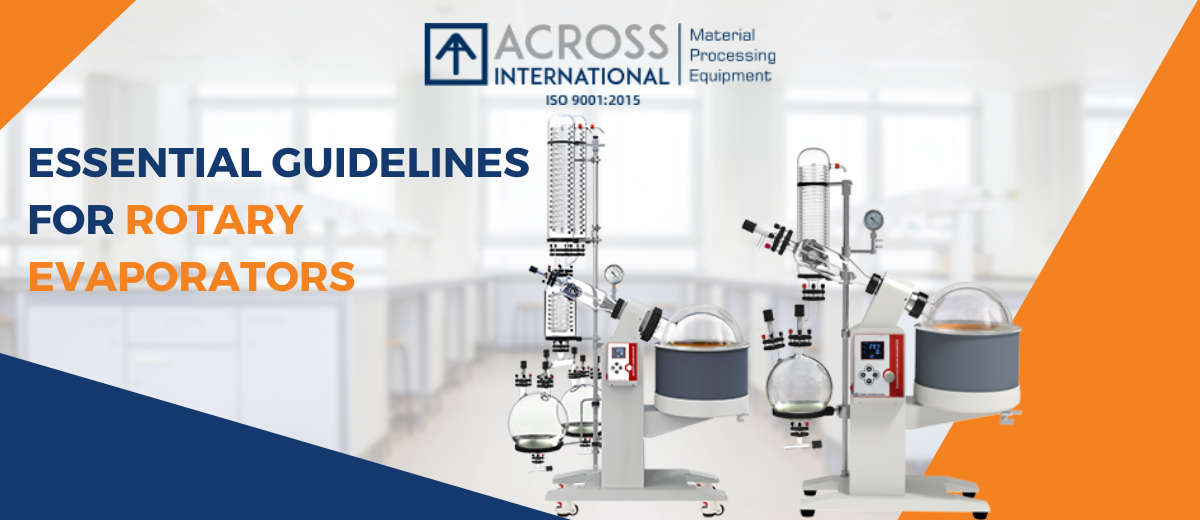
A rotary evaporator (rotavap) is a piece of equipment primarily used to remove solvent from a sample through “evaporation under reduced pressure”. The presence of reduced pressure in the apparatus causes the solvent (in the round bottom flask) to boil at a lower temperature than normal. Note, rotating the round bottom flask increases the liquid’s surface area and thus the rate of evaporation. The solvent vapor travels into the cooler water condenser, where it condenses and drips into a separate receiving flask. This process is how the solvent is removed, therefore leaving a concentrated compound in the original round bottom flask.
Why use it?
Rotary evaporation is often used to remove solvents with relatively low boiling points such as EtOAc (ethyl acetate) and n-hexane from a sample. This is because a rotavap is simple to use, relatively quick to achieve solvent removal (depending on volume and solvent) and is found in most organic laboratories. It is also a lot more efficient than evaporation under atmospheric pressure.
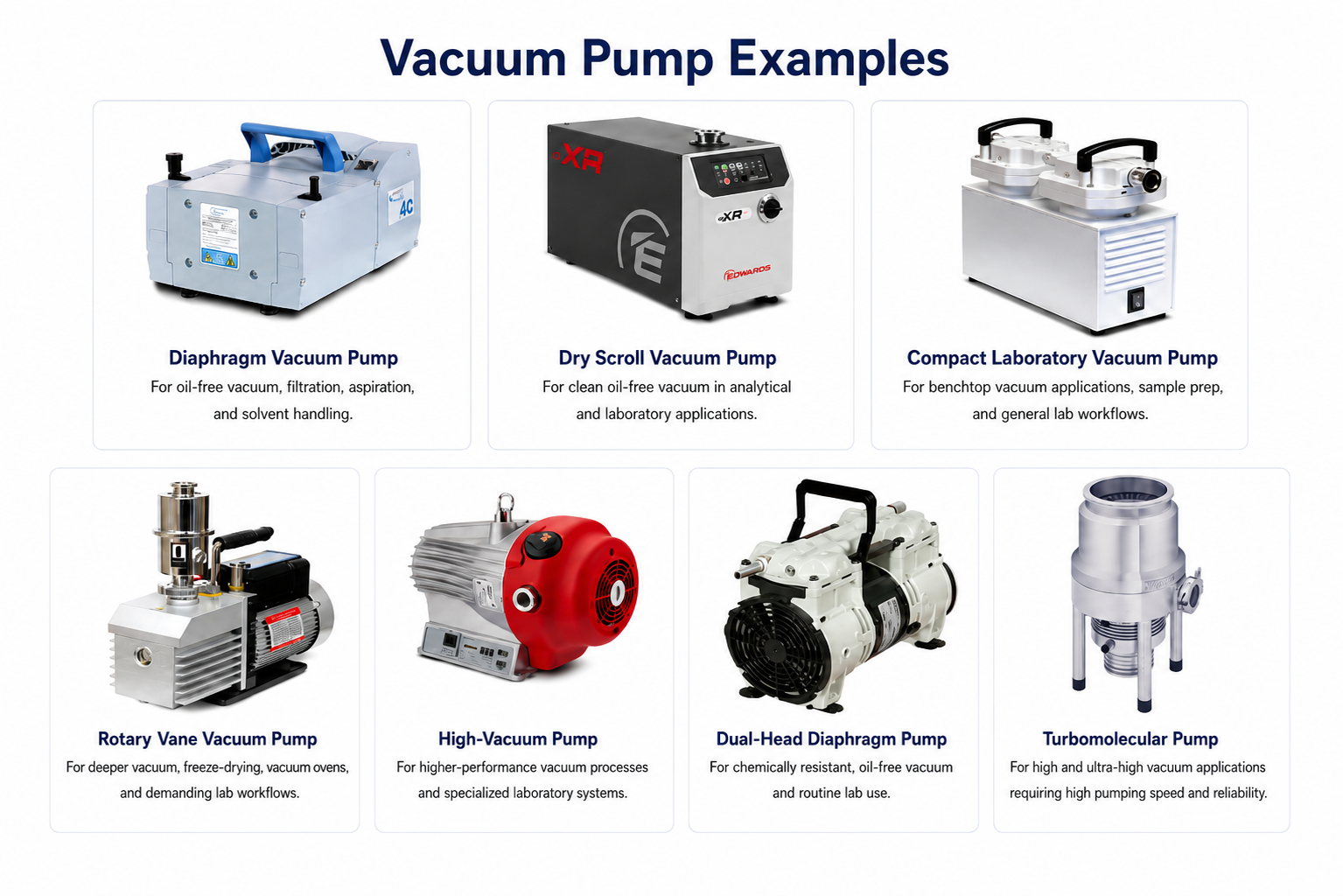
However, solvents such water or DMF (dimethylformamide) with relatively high boiling points are hard to remove with standard rotary evaporators and would require a vacuum system capable of achieving sufficiently low pressure. For this reason, water is often removed before putting a sample on a rotavap, through using drying agents such as MgSO4 (magnesium sulphate).
Common uses Industrial rotary evaporators in different Industries :
Biofuel Extractions
Industrial rotary evaporators are also finding increasing use in biofuel extractions as it becomes more and more popular as a sustainable energy source. Most biofuels are complex combinations of volatile components including a natural substance combined with a highly reactive reagent and an acidic catalyst.
Rotary evaporators are used for extractions in biofuel research and development, isolating and purifying biomass components which are considered practical for energy generation.
Cannabis and Hemp
Decarboxylation is well-known across the globe as the most reliable and efficient way of extracting high level substance samples with strong potency. Industrial rotary evaporators are used for decarboxylation of cannabis on a wide scale.
Industrial rotary evaporators meet the requirements of high purity ethanol and rotary evaporators for cannabinoid and terpene extraction. When used alongside advanced solvent extraction and distillation processes, raw cannabis, and crude cannabis yield.
Overall, rotary evaporators lead to one of the most efficient and environmentally friendly manners of removing a volatile solvent from a non-volatile sample. As the solvent is recoverable and reusable, it decreases waste and overhead expenditure.
Molecular Gastronomy
Molecular Gastronomy is the scientific discipline which focuses on physical and chemical transitions which take place during cooking. Industrial rotary evaporators are used in gastronomy for the preparation of distillates and extracts. Industrial rotary evaporators are used for concentrating non-volatile components in a mixture, to create the strongest and purest flavor.
Alcohol Industry and Mixology
Rotary evaporators find use in the alcohol/winery industry to create and distill flavors for infusing in alcoholic drinks. Volatile flavors are extracted from mixtures gently at low temperatures such as herbs and fruit without needing to heat the mixture up. This creates a more concentrated flavor to add to cocktails and other alcoholic beverages.
To learn more about the applications of rotary evaporators , contact our Tech team today.