
Planetary milling jars are a critical piece of the materials processing puzzle in many fields. But they don’t have much importance in the high-tech research and manufacturing world. M
Any industry that requires specific particle sizes and highly controlled composition and purity – including electronics, geology, medicine, mining, pharmaceuticals, paint, construction, ceramics, and chemical engineering – needs to select their planetary milling jars wisely. Given all of the options, it’s important to have a supplier that understands all of the material issues and details of the applications.
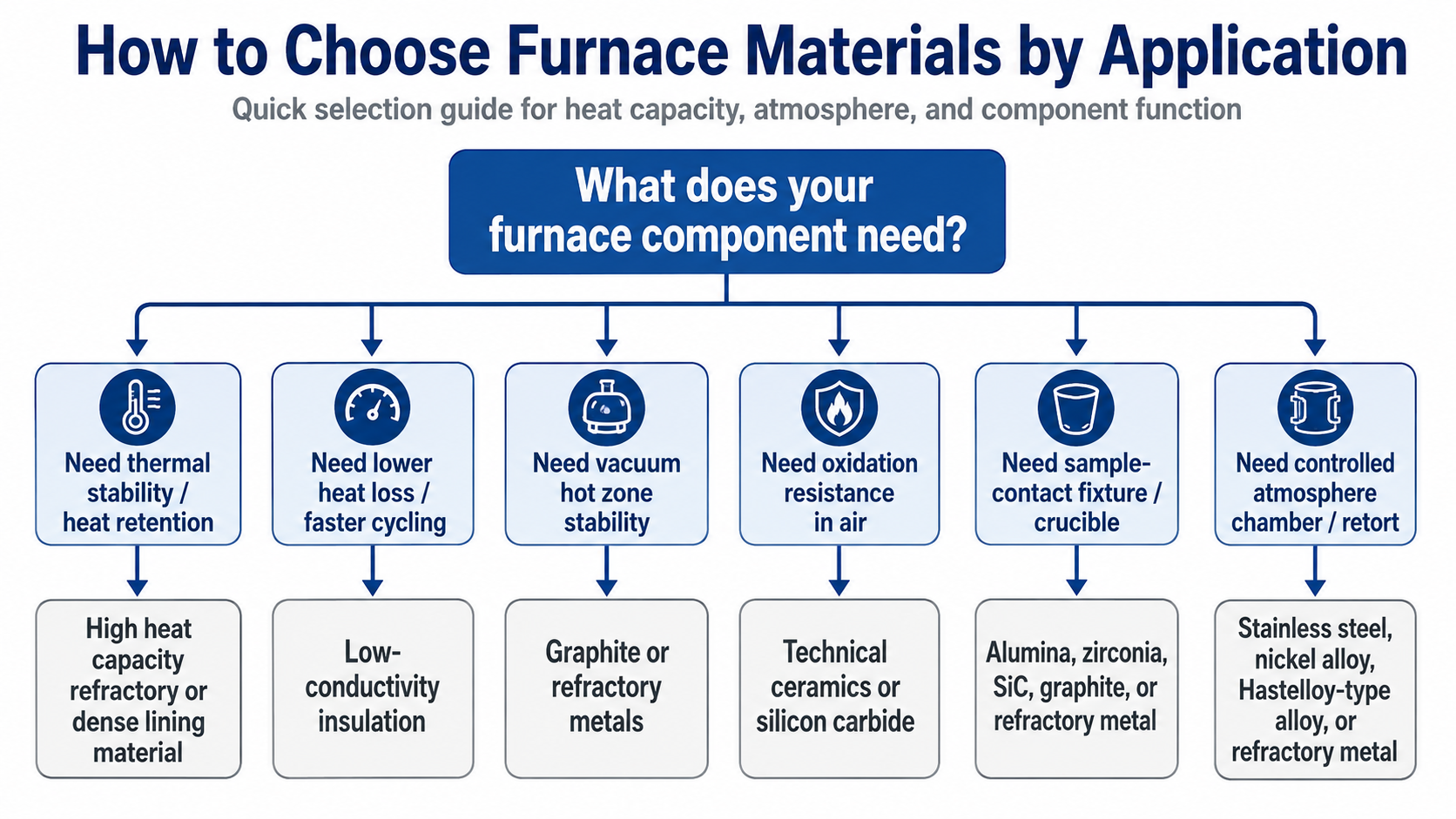
Many researchers or users of planetary milling jars don’t even realize the wide range of different materials are available in the market. A conventional alumina material is common, and zirconia is another popular cost-effective option, but agate, stainless steel, tungsten carbide, and even polymers like Teflon and Nylon are other options that can be a better match for certain applications.
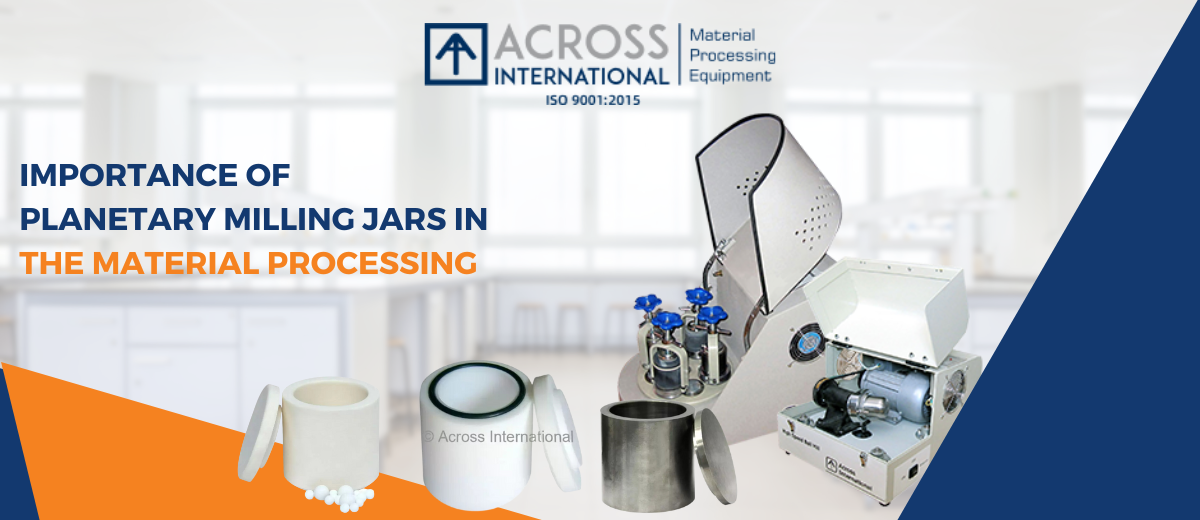
Planetary milling jars are cylindrical containers used in planetary ball mills to grind materials to a very fine powder. They are typically made of hard, wear-resistant materials such as alumina, zirconia, stainless steel, tungsten carbide, or even polymers like Teflon and nylon. The choice of material depends on the specific application, such as the hardness and abrasiveness of the material being milled, the desired particle size, and the purity requirements.
Planetary milling jars are available in a variety of sizes and volumes, from a few milliliters to several liters. They are typically sealed with a lid and gasket to prevent contamination and prevent the material from being lost during milling.
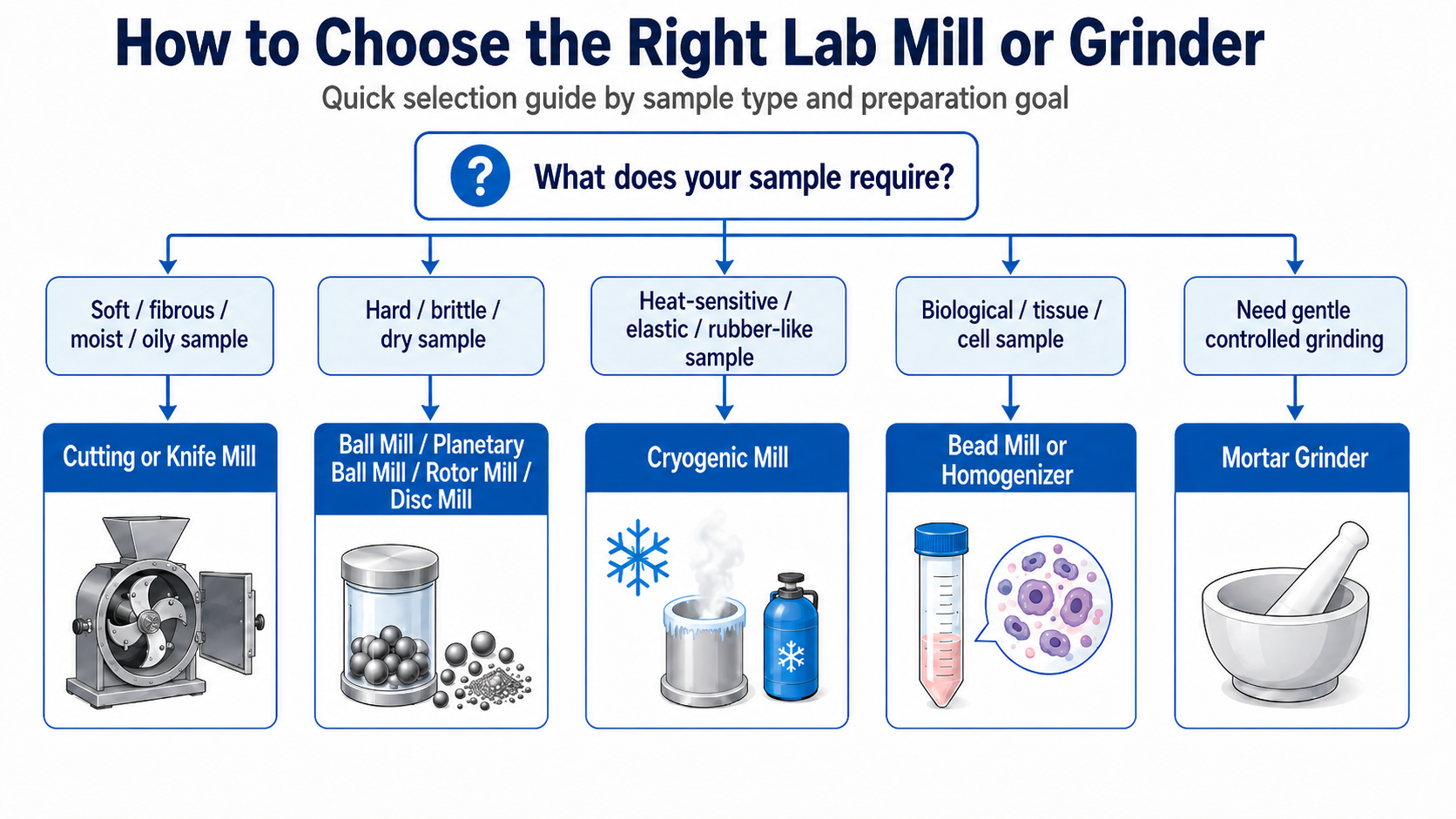
Planetary ball mills work by rotating the milling jar around its own axis while also rotating the jar platform in the opposite direction. This creates a high-energy milling environment that can grind materials down to particle sizes as small as a few nanometers.
Planetary milling jars are used in a wide variety of applications, including:
Materials science: Planetary milling is used to prepare new materials, such as nanomaterials, composites, and alloys.
Pharmaceutical industry: Planetary milling is used to produce micronized drug powders and other pharmaceutical products.
Chemical industry: Planetary milling is used to grind chemicals and catalysts to a fine powder.
Food industry: Planetary milling is used to grind food products such as spices, coffee, and cocoa beans.
Other applications: Planetary milling is also used in a variety of other industries, such as ceramics, electronics, and environmental protection.
Here are some of the key factors to consider when choosing a planetary milling jar:
Material: The material of the jar should be compatible with the material being milled and should be able to withstand the high energy milling environment.
Size and volume: The size and volume of the jar should be appropriate for the amount of material being milled.
Purity requirements: If the milled material must be very pure, then the jar and milling media must be made of materials that will not contaminate the material.
Cost: Planetary milling jars can be expensive, so it is important to choose a jar that fits your budget and your needs.
For example, high purity natural agate (>99.9% SiO2) is chemically resistant to acids and solvents, which makes it suitable for applications in electronics, paint, lighting, and geology where materials might be processed with acids or solvents. Teflon is a good match for applications where a non-sticky surface is important for the material preparation, or when contamination control is important. Stainless steel is useful in metallurgy and electronics, with Grade 304 (18% chromium and 8% nickel) being the most common alloy, but other stainless-steel variants such as 316 and 316L are available for food and pharmaceutical applications.
If you are unsure which planetary milling jar is right for your application, it is important to consult with our Tech specialist.