
Choosing the right induction melting furnace for your needs involves careful consideration of several factors. Here's a breakdown to guide you through the selection process:
Key Factors When Choosing an Induction Melting Furnace
Production requirements
Melting capacity: Determine the amount of metal you need to melt per hour or shift. Furnaces come in various capacities, from small crucible furnaces for hobbyists to large channel furnaces for industrial applications.
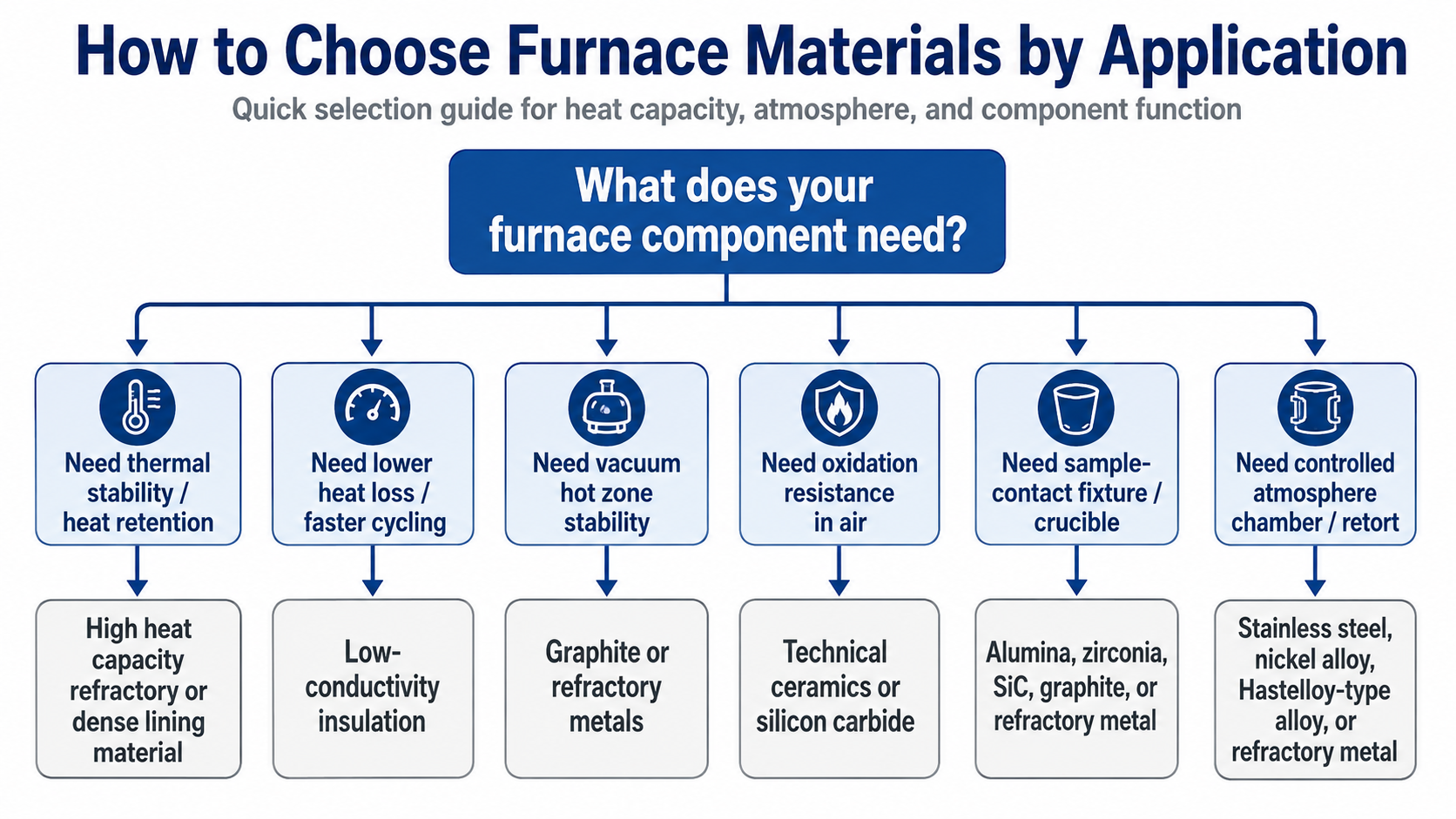
Induction furnace crucible
Metal types: Different metals have varying melting points and require specific furnace configurations. Ensure the furnace can handle the metals you plan to melt.
Production schedule: if you have continuous melting operations, consider furnaces with holding capacity for off-peak energy savings.
Furnace type
Coreless induction furnace: Suitable for melting ferrous and non-ferrous metals. They offer flexibility for changing metal types but have lower efficiency compared to core-type furnaces.
Core-type induction furnace: More efficient for high-production melting of ferrous metals due to the concentrated magnetic field. They are less flexible for metal changes.
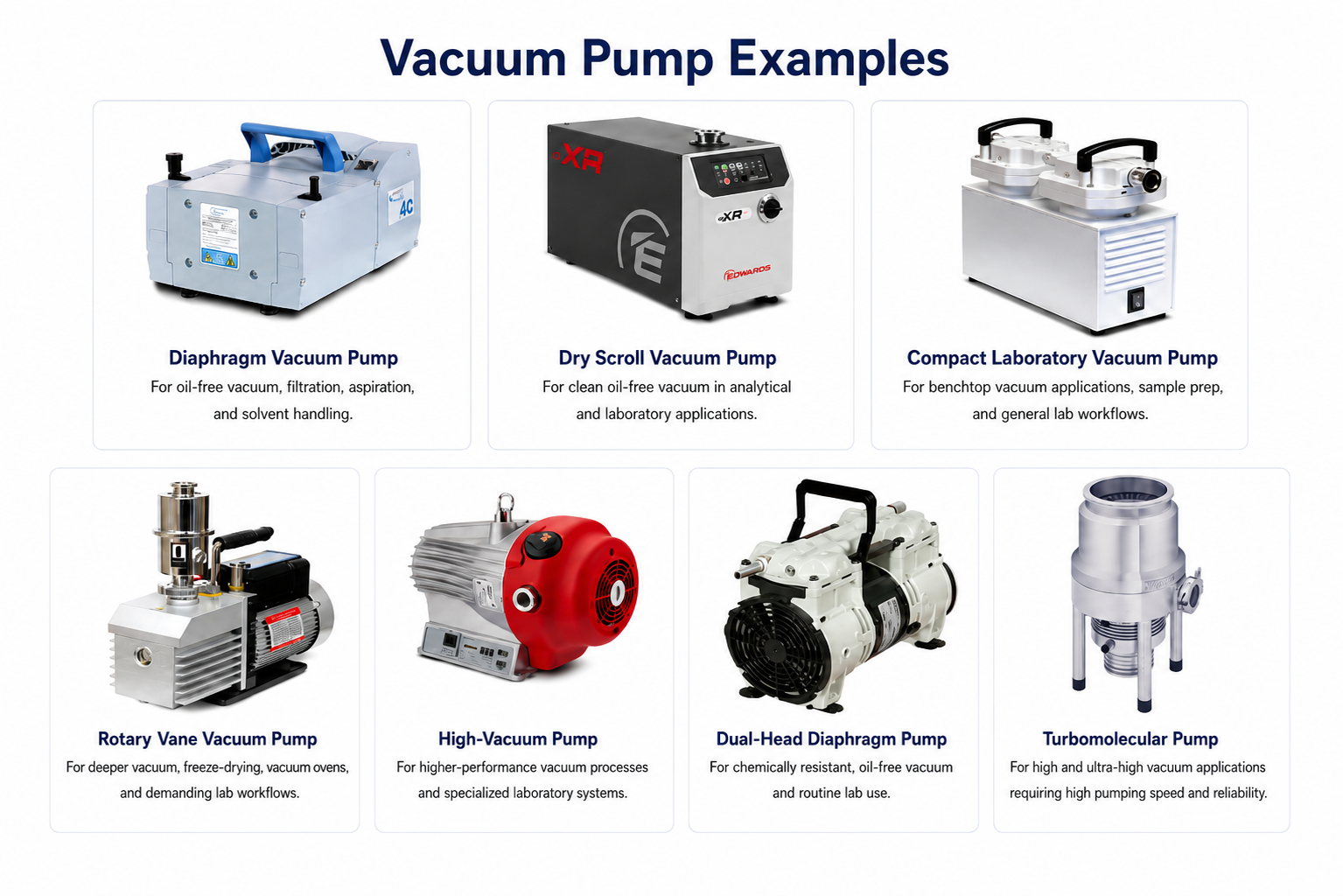
Vacuum induction furnace: Used for melting metals requiring a controlled atmosphere to prevent oxidation or contamination.
Power and energy efficiency
Power rating: Choose a furnace with sufficient power to melt your desired metal efficiently. Higher power ratings generally mean faster melting times but also higher energy consumption.
Energy efficiency features: Look for furnaces with features like automatic power adjustment and variable frequency drives to optimize energy usage.
Additional features
Tilting mechanism: Allows for easy pouring of molten metal.
Automatic temperature control: Ensures consistent melt quality and reduces operator workload.
Safety features: Choose a furnace with proper safety interlocks and alarms to prevent accidents.
Manufacturer and service
Reputation and experience: Choose a reputable manufacturer with a proven track record in the industry.
Warranty and service support: Ensure the manufacturer offers a good warranty and readily available service support.
Industry Applications of Induction Melting Furnaces
The versatility of induction melting furnaces makes them valuable across various industries. Here's a breakdown of how different industries utilize these furnaces:
Steel production: Large channel furnaces efficiently melt large volumes of steel for casting and forging.
Foundries: Core-type furnaces are ideal for high-production melting of cast iron, aluminum, and copper alloys. Crucible furnaces handle smaller batches and diverse metals.
Precious metal refineries: Vacuum induction furnaces maintain a controlled atmosphere for melting and refining gold, silver, and platinum.
Aerospace and Defense
Aircraft component manufacturing: Induction brazing and soldering join critical aircraft parts with precise heat control.
Heat treatment: Induction hardening strengthens gears, shafts, and other components for enhanced wear resistance.
Titanium melting: Vacuum induction furnaces handle reactive metals like titanium for aerospace applications.
Engine block and component casting: Coreless furnaces efficiently melt aluminum alloys for engine blocks and other automotive components.
Induction hardening: Crankshafts, gears, and other drivetrain components receive localized hardening for improved performance and durability.
Brazing and soldering: Induction brazing joins radiators, heat exchangers, and other automotive parts with precise heat control.
Other Industries
Jewelry: Crucible furnaces melt precious metals for casting and forming jewelry pieces.
Medical devices: Induction brazing and soldering join critical components of medical implants and instruments.
Glassmaking: Induction furnaces melt glass cullet for recycling and production of new glass products.
Silicon wafer production: Vacuum induction furnaces create high-purity silicon ingots for semiconductor wafer manufacturing.
Choosing the Right Furnace for Each Industry
Choosing the right furnace for each industry depends on several factors:
Production volume and metal types: High-volume ferrous melting requires different furnaces than low-volume precious metal melting.
Desired features: Tilting mechanisms, automatic temperature control, and vacuum capabilities cater to specific needs.
Budget and space constraints: Furnaces vary in size, cost, and power requirements.
By understanding the diverse applications of induction melting furnaces in different industries, you can make an informed decision when choosing the right furnace for your specific needs.
Vacuum Melting Furnaces from Across International
Vacuum Melting furnaces are an essential tool for many applications. They offer several advantages, including high temperature uniformity, reduced oxidation and contamination, precise control, and versatility.
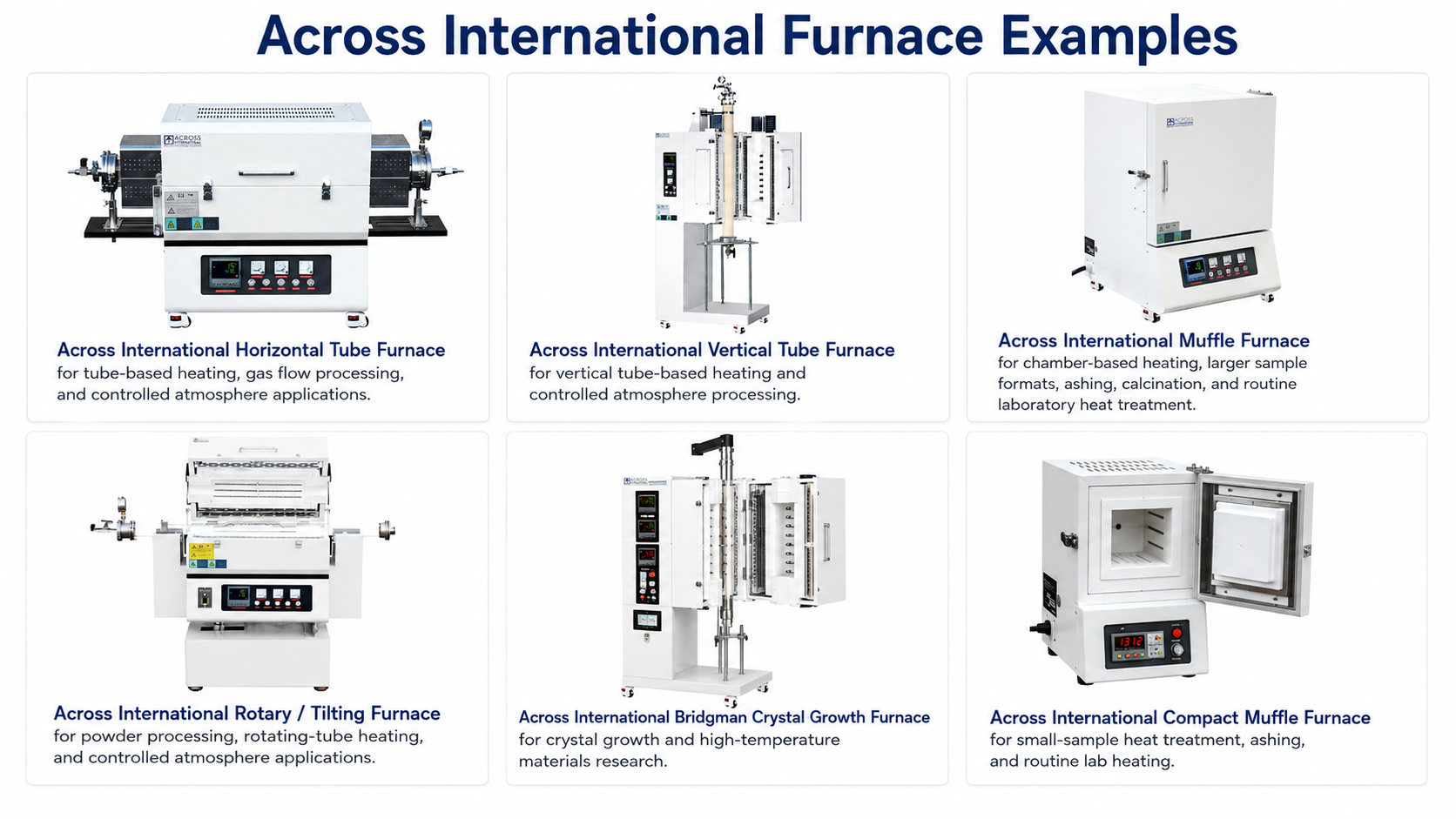
Across International provides customized vacuum melting furnace solutions based on customer requirements. It will allow you to produce high-quality parts that would not be possible with other methods. Contact us for more technical information.