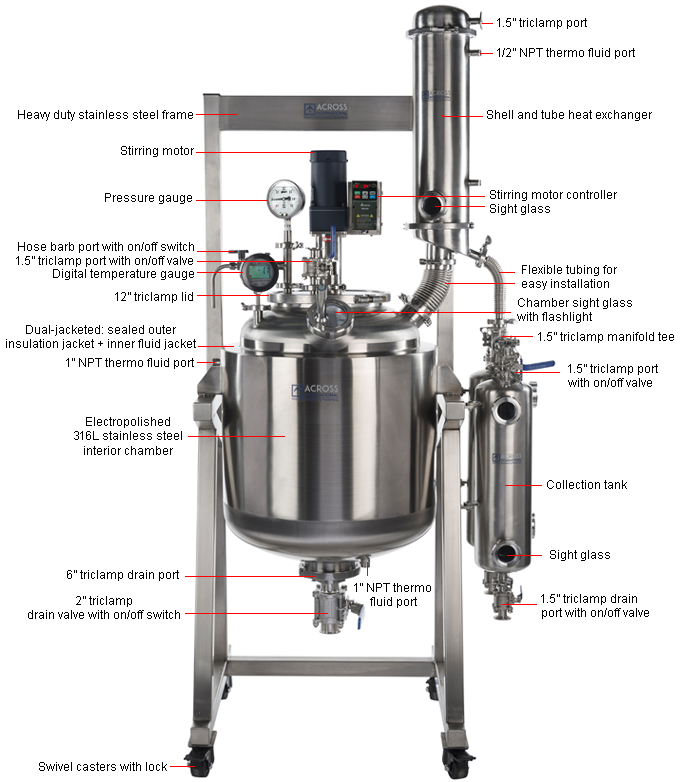
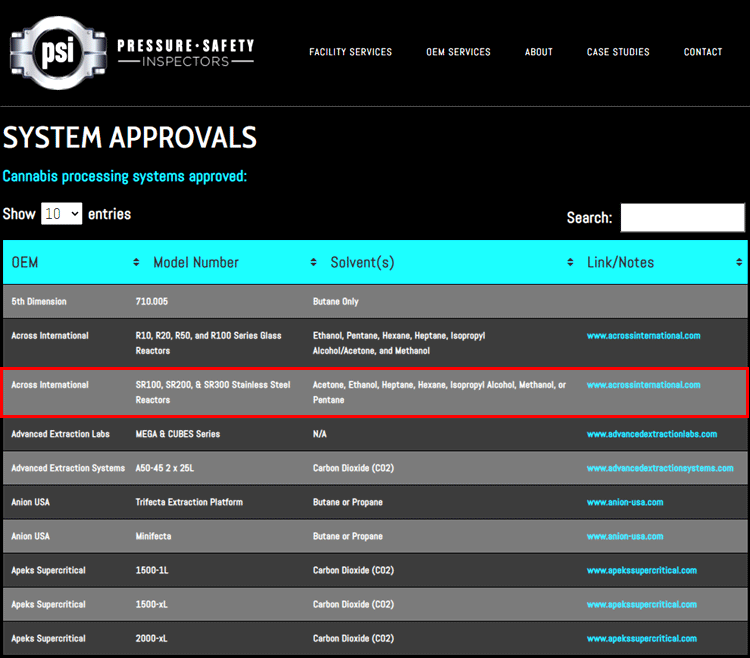
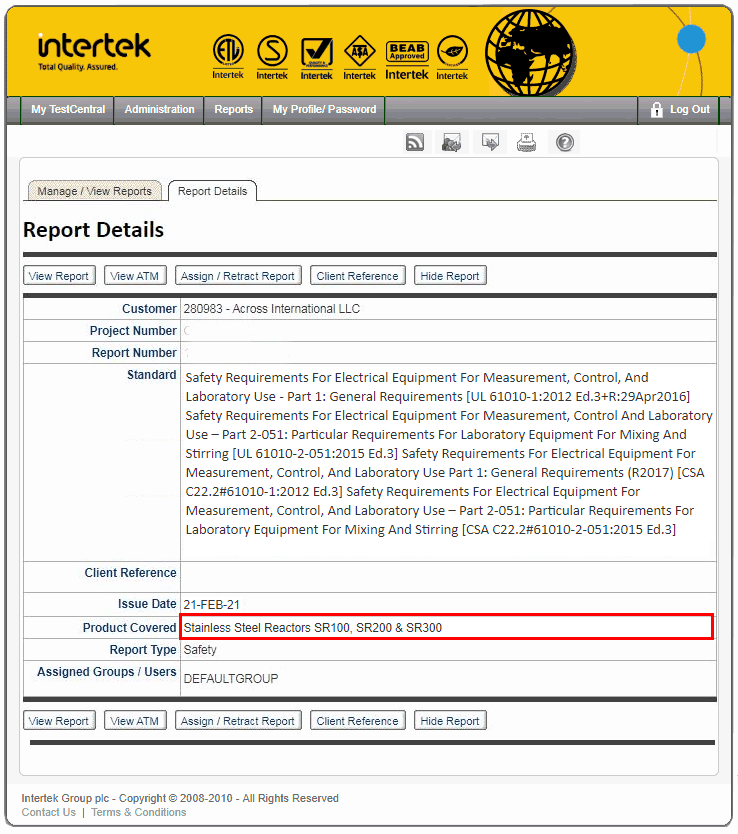
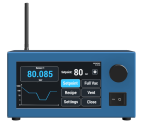
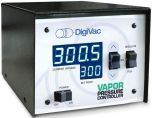
Electric motor and controller model is ETL certified to UL and CSA standards
Peer reviewed model (pneumatic motor and controller) is approved to be used with Acetone, Ethanol, Heptane, Hexane, Isopropyl Alcohol, Methanol, and Pentane.
CAUTION!
Across International is not responsible for caustic chemical related damage to the stainless steel reactor internal and external parts and components.
Never fill circulated heaters or chillers with water, always use Ai or manufacturer's recommended thermal fluid
Always leave ample fluid space in heater reservoir to allow fluid heat expansion
Always keep system vacuum passage or drain valve open when heating up circulation jackets
Always make sure your vacuum pumps and diffusion pump fluid is clean and within limits
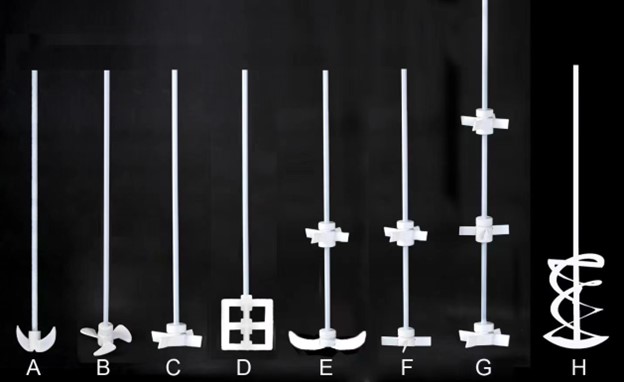
Impellar/Stirrer Options
Name
Stirrer Type A
Anchor
Stirrer Type B
Piched Marine
Stirrer Type C
Pitched Blade
Stirrer Type D
Square Blade
Stirrer Type E
Anchor with Upper Pitched Blade
Stirrer Type F
Dual Pitched Blade
Stirrer Type G
Triple Pitched Blade
Stirrer Type H
Double Helix
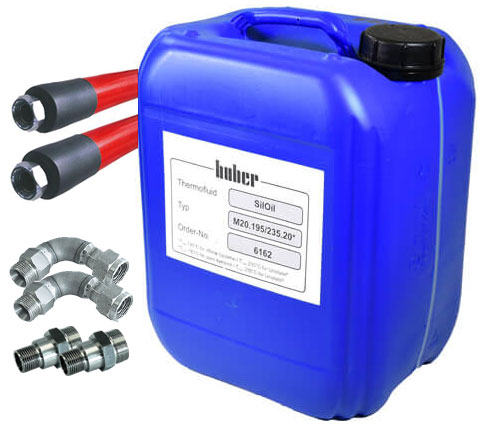
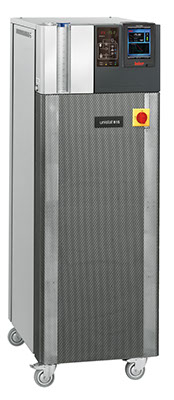
Huber Unistat 905 adapters, tubing and fluid for SR100 stainless steel reactors for Winterization
P/N 6479 x 3 DW Therm (-90 to 200) 10L
P/N 6461 x 2 90 degree M30 X 1.5 (male) to M30 X 1.5 (female)
P/N 6427 x 2 Hose MT-350-2-M30x1,5 (f)
P/N 13255 x 2 M30 X 1.5 (male) to 1" NPT (male)
FAQ for Stainless Steel Reactor:
Q: Why would someone use a glass reactor over a stainless steel reactor? A: A glass reactor is normally used for smaller batch sizes or when transparency is critical to a specific application. Glass reactors are also preferred with applications that do not have favorable chemical compatibility with 316L stainless steel such as when high concentrations of acid or base are used.
A stainless steel reactor is preferred when transparency is not a crucial element of an application, the application has favorable chemical compatibility with stainless steel, and/or for larger scale applications in an industrial environment due to stainless steel’s increased durability compared to glass.
Q: What is the pressure rating on the on the reactor? A: The reactor is not rated to hold pressure, only vacuum.
Q: How much vacuum can the SR series reactor attain? A: While we do not provide a set vacuum specification on the unit, we normally see the reactor achieve at least 600 microns on a dry system with a CRVPro30. The vacuum pump, process, and connections used in your reactor setup will be very big indicators of how much vacuum the system will be able to attain during operation.
Q: What parts of the SR series reactors are electropolished? What is the significance of electropolishing the SR series reactors? A: The internal surface of the reactor vessel, lid, and stirrer are all electropolished. Electropolishing removes a very thin layer of metal from the surface of the reactor, leaving a smooth surface that prevent bacteria from building up and growing in small imperfections in the metal which will make the reactor more sanitary for use.
Q: Is there any other pieces or parts that I need to operate the filter reactor? How is filtration supposed to work, by gravity? A: To operate the SR series filter reactors customers will need a filtration media that can be purchased from Across international or sourced from another vendor. Across International can supply filter papers only. Customers in the past have used filter cloths sourced from specific cloth manufacturers. The filter reactor can also filter by pulling vacuum on an external tank, connected to the reactor. A vacuum tank such as this will need to be sourced by the customer themselves.
Q: What material are the gaskets made from? A: The gaskets are made from Viton. We can also quote tri clamp gaskets in PTFE as well.
Q: Does across international have an explosion proof option for the motor and thermocouple? A: Across International does not have an electric motor that is C1D1 rated, but we do have a pneumatic model that is 3rd party peer reviewed by PSI. This is not the same unit as the standalone pneumatic unit.
The thermocouple is not a C1D1 or C1D2 rated thermocouple, but explosion proof thermocouples are available for 3rd party engineer peer reviewed models.
Q: What are the solvents can the SR series reactors be used with? A: The customer’s AHJ is the only body that can dictate what solvents can and cannot use at their site. Having said this, for the standard models, all solvents that are compatible with 304 stainless steel, 316 stainless steel, viton, and PTFE at their processing temperatures and pressures.
The third-party engineer peer reviewed version of the SR series reactors have been approved for the following solvents:
Ethanol b. Pentane c. Hexane d. Heptane e. Isopropyl Alcohol f. Methanol g. Acetone
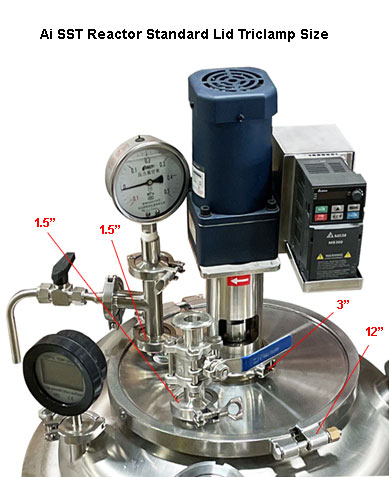
Q: What modifications can be done to the stainless steel reactor? A: Across International is open to discussion about what modifications we can and cannot do, please contact your application engineer or sales representative to discuss. The common applications that we have solutions on our website for include changing the agitator in order to achieve your mixing goals for a particular material, modifying the lid to add more ports or different type of ports other than the standard 1” tri clamp, or adding a spray ball for cleaning.
Q: What is the best way to clean the reactor? A: The best way to clean the reactor is to use a clean in place “CIP” spray nozzle like the one offered on our website. To use it, you simply install it onto the reactor with the wide bore lid, and pump into the reactor at about 30 psi with a pump capable of 32.2 gpm and the nozzle will spray cleaning solution around the reactor in a 360 degree pattern which will wet all surfaces and dissolve the components that are to be cleaned off of the reactor.
220V, 50/60Hz, 1~Phase, 200 watts, 1/4 HP Rotation: 450 rpm max. (±8%) Starting torque: 3.0 N.m Rated toruqe: 1.54 N.m Built-in gearbox ratio: 3:1 to 180:1 Controller: Delta, UL listed
Pneumatic stirring motor
- Power: 1/4 HP - Rotation: 450 rpm max. (±8%) - Compressed air pressure range: 30 to 80 psi (0.2 to 0.55 MPa) - Working temperature: -10C to +70C - For constant use: set rpm to 80% of maximum rpm - Motor lubricant
- For safety purpose, detach compressed air supply when not in use, left un-attended or at night - Do not run motor un-loaded - Set Air Adjuster to minimum at initial run, make sure motor is working properly, before increasing CFM - Before inspecting unit, stop the motor and detach air supply. Do NOT inspect unit when motor is in action. - Make sure exhaust port/hole is clear from any debris or blockage - Check every 2-3 days: Air Lubricant, Air Filter water drain
Huber expansion tank, adapters, tubing and fluid P/N 6479 x 3 DW Therm (-90 to 200) 10L P/N 6461 x 2 90 degree M30 X 1.5 (male) to M30 X 1.5 (female) P/N 6427 x 2 Hose MT-350-2-M30x1,5 (f) P/N 13255 x 2 M30 X 1.5 (male) to 1" NPT (male)
Electric motor and controller model is ETL certified to UL and CSA standards
Peer reviewed model (pneumatic motor and controller) is approved to be used with Acetone, Ethanol, Heptane, Hexane, Isopropyl Alcohol, Methanol, and Pentane.
CAUTION!
Across International is not responsible for caustic chemical related damage to the stainless steel reactor internal and external parts and components.
Never fill circulated heaters or chillers with water, always use Ai or manufacturer's recommended thermal fluid
Always leave ample fluid space in heater reservoir to allow fluid heat expansion
Always keep system vacuum passage or drain valve open when heating up circulation jackets
Always make sure your vacuum pumps and diffusion pump fluid is clean and within limits
Impellar/Stirrer Options
Name
Stirrer Type A
Anchor
Stirrer Type B
Piched Marine
Stirrer Type C
Pitched Blade
Stirrer Type D
Square Blade
Stirrer Type E
Anchor with Upper Pitched Blade
Stirrer Type F
Dual Pitched Blade
Stirrer Type G
Triple Pitched Blade
Stirrer Type H
Double Helix
Huber Unistat 905 adapters, tubing and fluid for SR100 stainless steel reactors for Winterization
P/N 6479 x 3 DW Therm (-90 to 200) 10L
P/N 6461 x 2 90 degree M30 X 1.5 (male) to M30 X 1.5 (female)
P/N 6427 x 2 Hose MT-350-2-M30x1,5 (f)
P/N 13255 x 2 M30 X 1.5 (male) to 1" NPT (male)
FAQ for Stainless Steel Reactor:
Q: Why would someone use a glass reactor over a stainless steel reactor? A: A glass reactor is normally used for smaller batch sizes or when transparency is critical to a specific application. Glass reactors are also preferred with applications that do not have favorable chemical compatibility with 316L stainless steel such as when high concentrations of acid or base are used.
A stainless steel reactor is preferred when transparency is not a crucial element of an application, the application has favorable chemical compatibility with stainless steel, and/or for larger scale applications in an industrial environment due to stainless steel’s increased durability compared to glass.
Q: What is the pressure rating on the on the reactor? A: The reactor is not rated to hold pressure, only vacuum.
Q: How much vacuum can the SR series reactor attain? A: While we do not provide a set vacuum specification on the unit, we normally see the reactor achieve at least 600 microns on a dry system with a CRVPro30. The vacuum pump, process, and connections used in your reactor setup will be very big indicators of how much vacuum the system will be able to attain during operation.
Q: What parts of the SR series reactors are electropolished? What is the significance of electropolishing the SR series reactors? A: The internal surface of the reactor vessel, lid, and stirrer are all electropolished. Electropolishing removes a very thin layer of metal from the surface of the reactor, leaving a smooth surface that prevent bacteria from building up and growing in small imperfections in the metal which will make the reactor more sanitary for use.
Q: Is there any other pieces or parts that I need to operate the filter reactor? How is filtration supposed to work, by gravity? A: To operate the SR series filter reactors customers will need a filtration media that can be purchased from Across international or sourced from another vendor. Across International can supply filter papers only. Customers in the past have used filter cloths sourced from specific cloth manufacturers. The filter reactor can also filter by pulling vacuum on an external tank, connected to the reactor. A vacuum tank such as this will need to be sourced by the customer themselves.
Q: What material are the gaskets made from? A: The gaskets are made from Viton. We can also quote tri clamp gaskets in PTFE as well.
Q: Does across international have an explosion proof option for the motor and thermocouple? A: Across International does not have an electric motor that is C1D1 rated, but we do have a pneumatic model that is 3rd party peer reviewed by PSI. This is not the same unit as the standalone pneumatic unit.
The thermocouple is not a C1D1 or C1D2 rated thermocouple, but explosion proof thermocouples are available for 3rd party engineer peer reviewed models.
Q: What are the solvents can the SR series reactors be used with? A: The customer’s AHJ is the only body that can dictate what solvents can and cannot use at their site. Having said this, for the standard models, all solvents that are compatible with 304 stainless steel, 316 stainless steel, viton, and PTFE at their processing temperatures and pressures.
The third-party engineer peer reviewed version of the SR series reactors have been approved for the following solvents:
Ethanol b. Pentane c. Hexane d. Heptane e. Isopropyl Alcohol f. Methanol g. Acetone
Q: What modifications can be done to the stainless steel reactor? A: Across International is open to discussion about what modifications we can and cannot do, please contact your application engineer or sales representative to discuss. The common applications that we have solutions on our website for include changing the agitator in order to achieve your mixing goals for a particular material, modifying the lid to add more ports or different type of ports other than the standard 1” tri clamp, or adding a spray ball for cleaning.
Q: What is the best way to clean the reactor? A: The best way to clean the reactor is to use a clean in place “CIP” spray nozzle like the one offered on our website. To use it, you simply install it onto the reactor with the wide bore lid, and pump into the reactor at about 30 psi with a pump capable of 32.2 gpm and the nozzle will spray cleaning solution around the reactor in a 360 degree pattern which will wet all surfaces and dissolve the components that are to be cleaned off of the reactor.
We use cookies to make your experience better.To comply with the new e-Privacy directive, we need to ask for your consent to set the cookies.Privacy Policy.







.gif)